12 hr
Stonehenge Inner Circle Private Tour with Bath
- Private experience
- Personal attention
- Premium amenities
- Free cancellation
Stonehenge Inner Circle — Exclusive Access Tours
Step inside the world's most famous stone circle, where the public cannot walk
Compare fares, pick the fit — all bookings are mobile-voucher and eligible for free cancellation where shown.
12 hr
11 hr
6 hr 30 min
| Experience | From | Duration | Rating | Transfers | Guide | Free cancel. | Price | |
|---|---|---|---|---|---|---|---|---|
|
Luxury / Private
Most popular
Stonehenge Inner Circle Private Tour with Bath
|
— | 12 hr | ★ 4.9 | ✓ | ✓ | ✓ | €192 | Book → |
|
Guided Experience
Stonehenge Inner Circle & Windsor Day Trip from London
|
London | 11 hr | ★ 4.9 | ✓ | ✓ | ✓ | €220 | Book → |
|
Guided Experience
Stonehenge Morning Tour from London with Priority Access
|
London | 6 hr 30 min | ★ 4.8 | ✓ | ✓ | ✓ | €77 | Book → |
Worth it for exclusive access seekers
Standard stonehenge inner circle tours from london deliver the monument from a distance — rope barriers keep general visitors 10 metres back, limiting the visceral impact of the sarsen stones. Inner Circle access changes that equation: before the site opens or after it closes, you walk among the stones themselves, touching weathered surfaces that predate written British history. The standard adult entrance costs 32 GBP; Inner Circle permits add roughly 40-70 GBP depending on the operator, plus round-trip coach transfer from London (typically 3-4 hours total). That premium buys solitude — groups cap at 30, versus hundreds in peak hours — and proximity no daytime ticket allows. For casual sightseers content with exterior views, the gate price suffices. For anyone seeking tangible connection to a Neolithic monument, the Inner Circle justifies the surcharge and the early alarm.
Bottom line: If proximity to the sarsen circle matters more than budget, book the Inner Circle — standard admission keeps you at arm's length.
Hand-picked experiences loved by thousands of travelers
11 hours
Free Cancellation
Discover ancient wonders and Georgian elegance on this guided excursion to two iconic English destinations
11 hours
Free Cancellation
Explore England's royal heritage, prehistoric wonders, and Georgian elegance on this comprehensive coach tour
6 hours
Free Cancellation
Journey to England's most enigmatic ancient monument and explore the 5,000-year-old stone circle
7 hours
Free Cancellation
Journey to the ancient stone circle on a flexible half-day excursion with audio commentary and leisure time
10 hours
Free Cancellation
Discover three of England's most iconic destinations on a guided full-day coach excursion
11 hours
Free Cancellation
Journey to England's iconic prehistoric monument and explore the world-renowned university city
11 hours
Free Cancellation
Journey through England's finest landmarks in one day: ancient stone circles, Roman heritage, and storybook villages
11 hours
Free Cancellation
Discover two iconic English landmarks with included admission on this full-day guided excursion
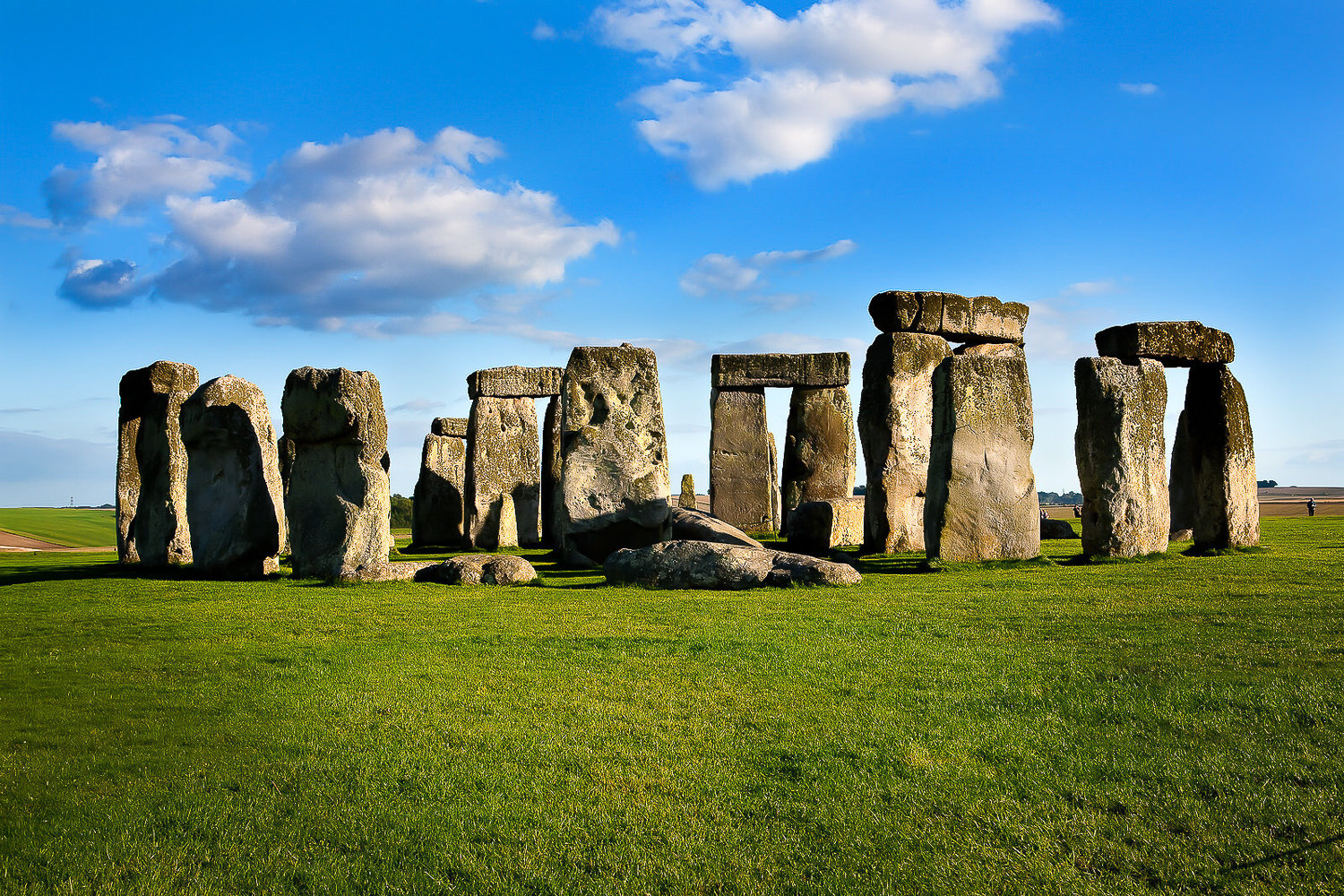
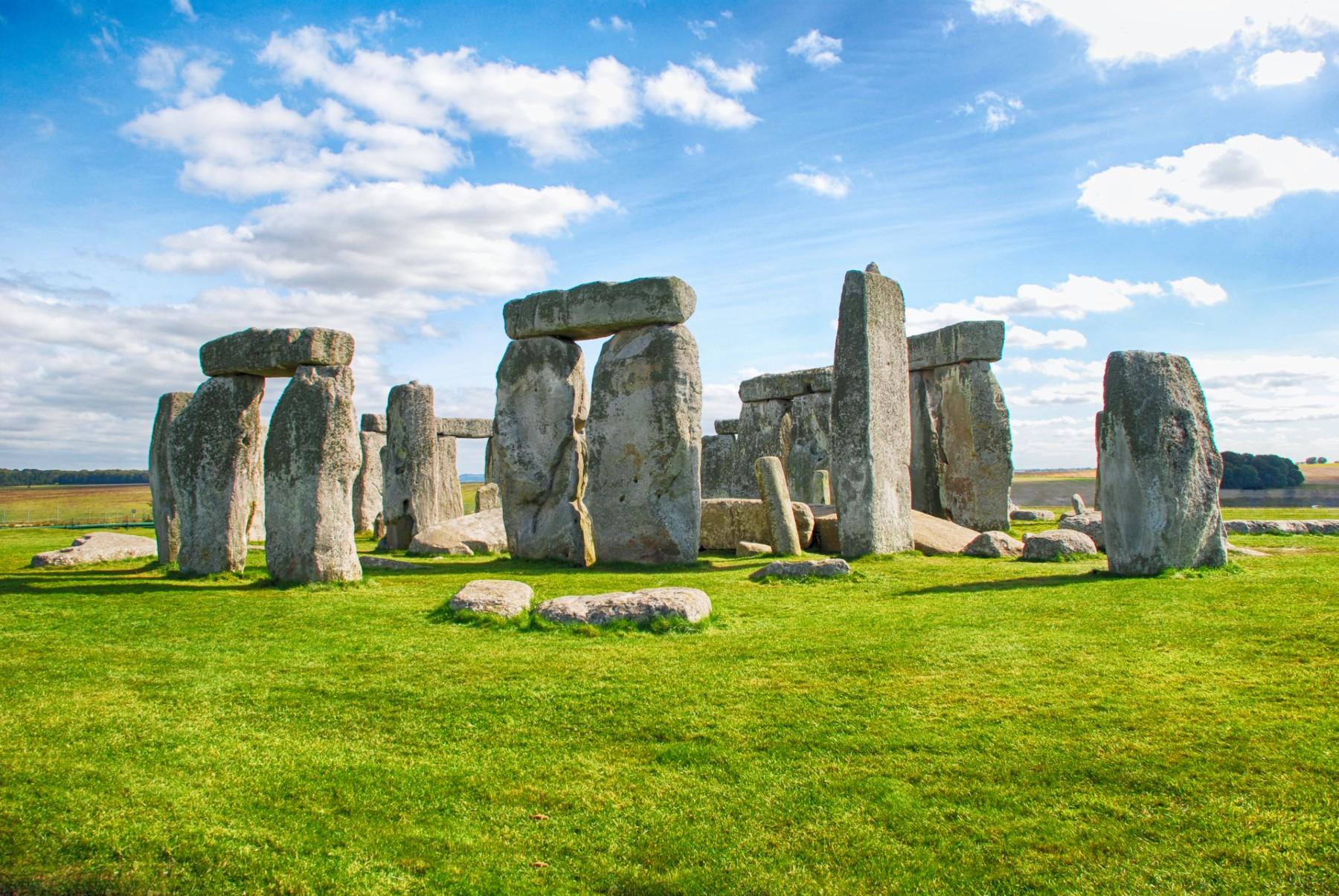
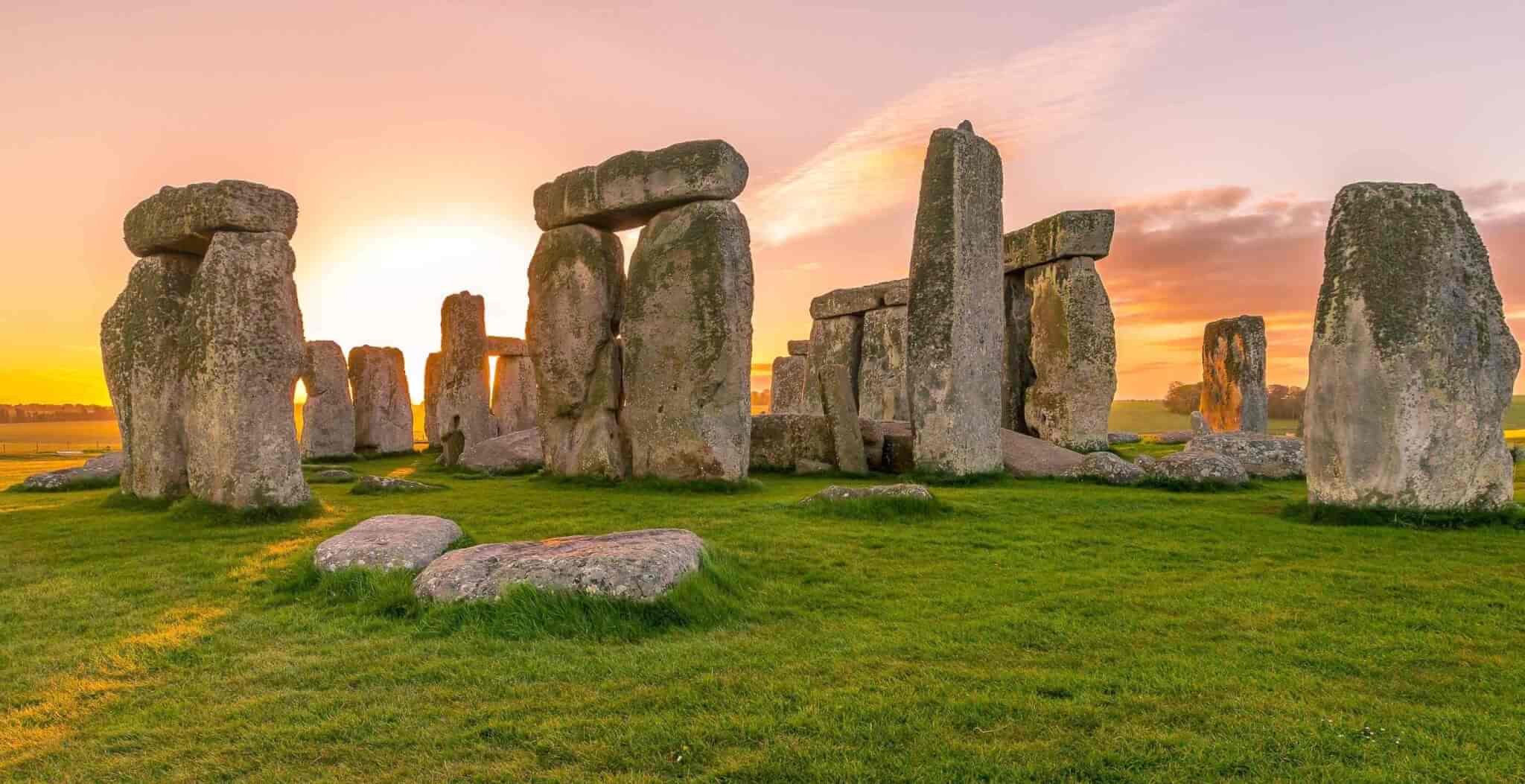
Walk among the ancient sarsens and bluestones on your private tour
All the details about your upcoming adventure in one place
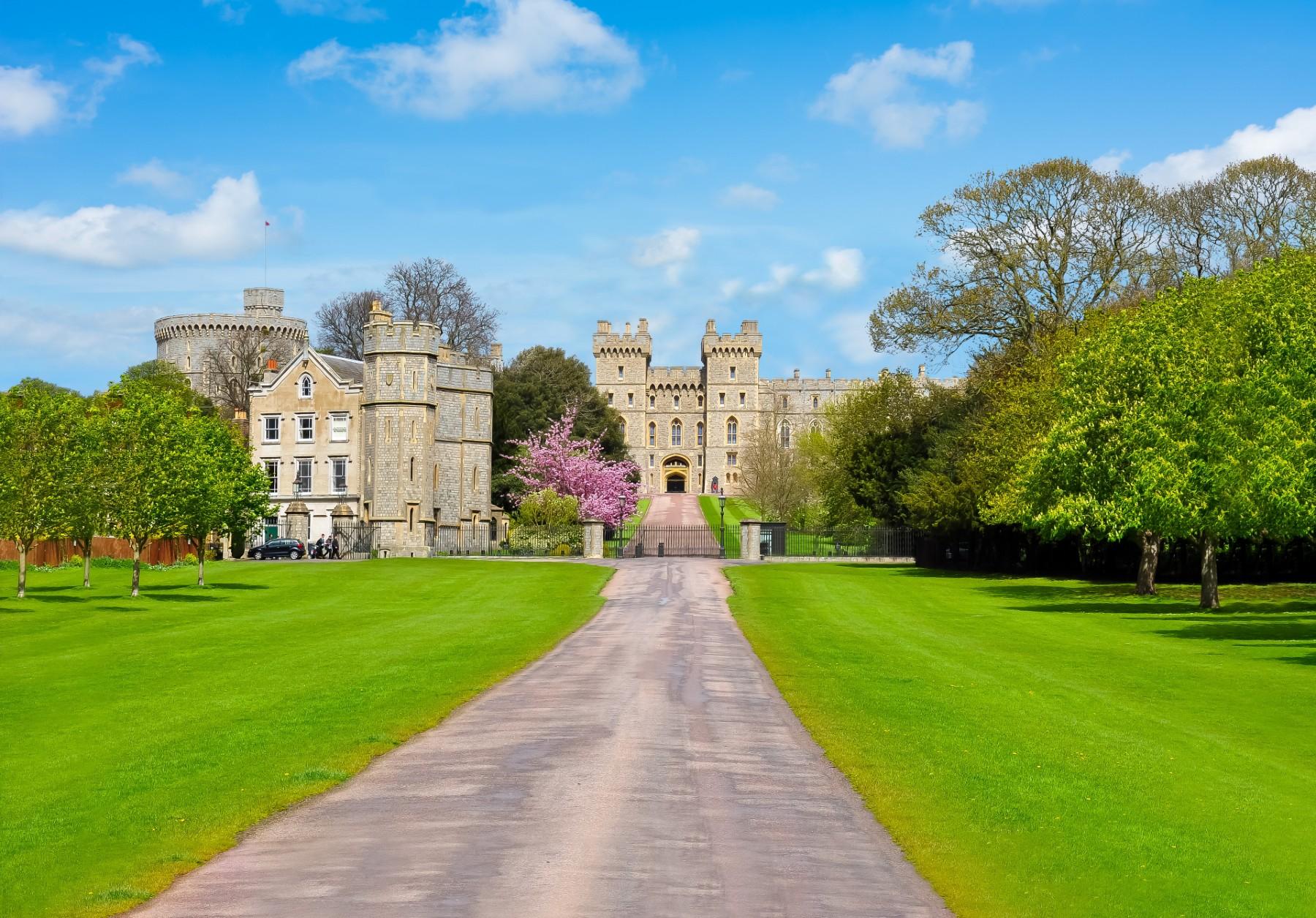
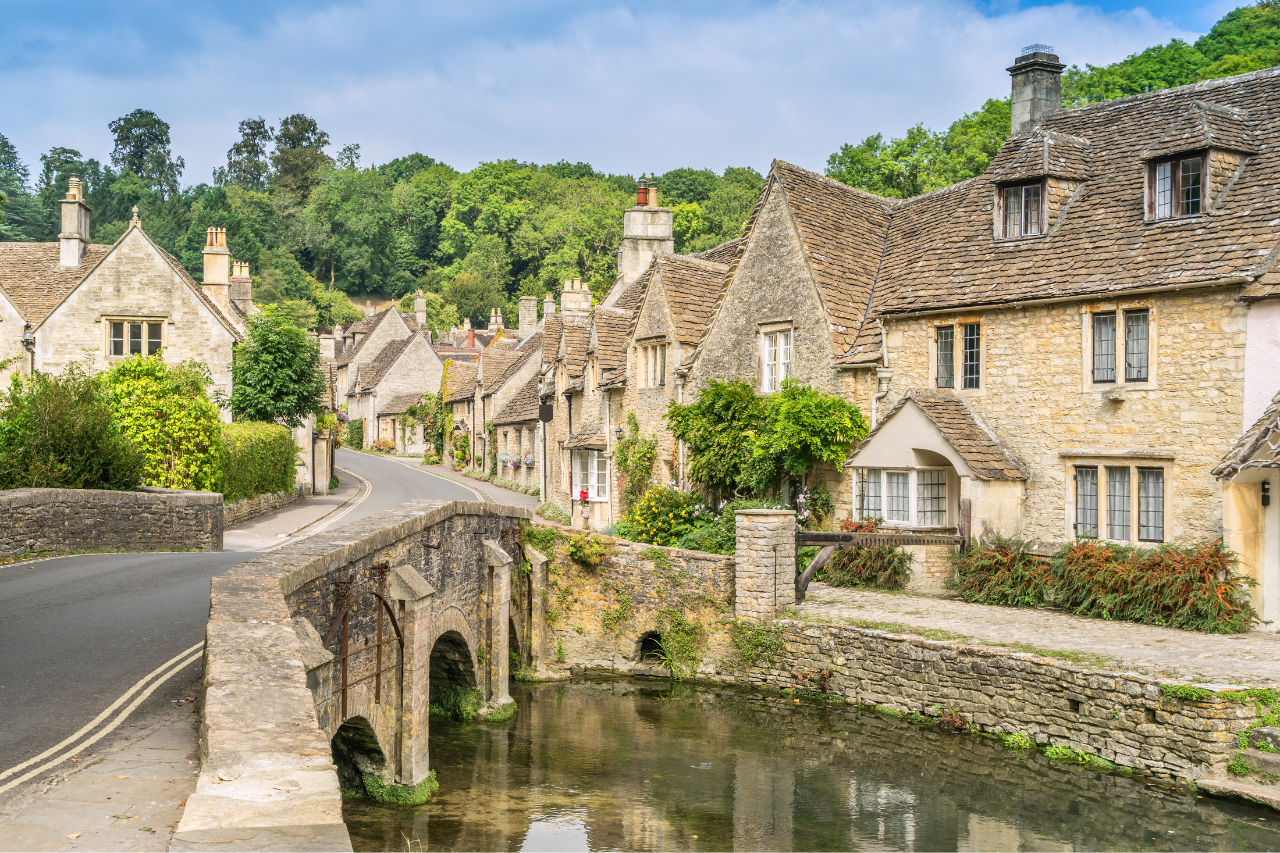
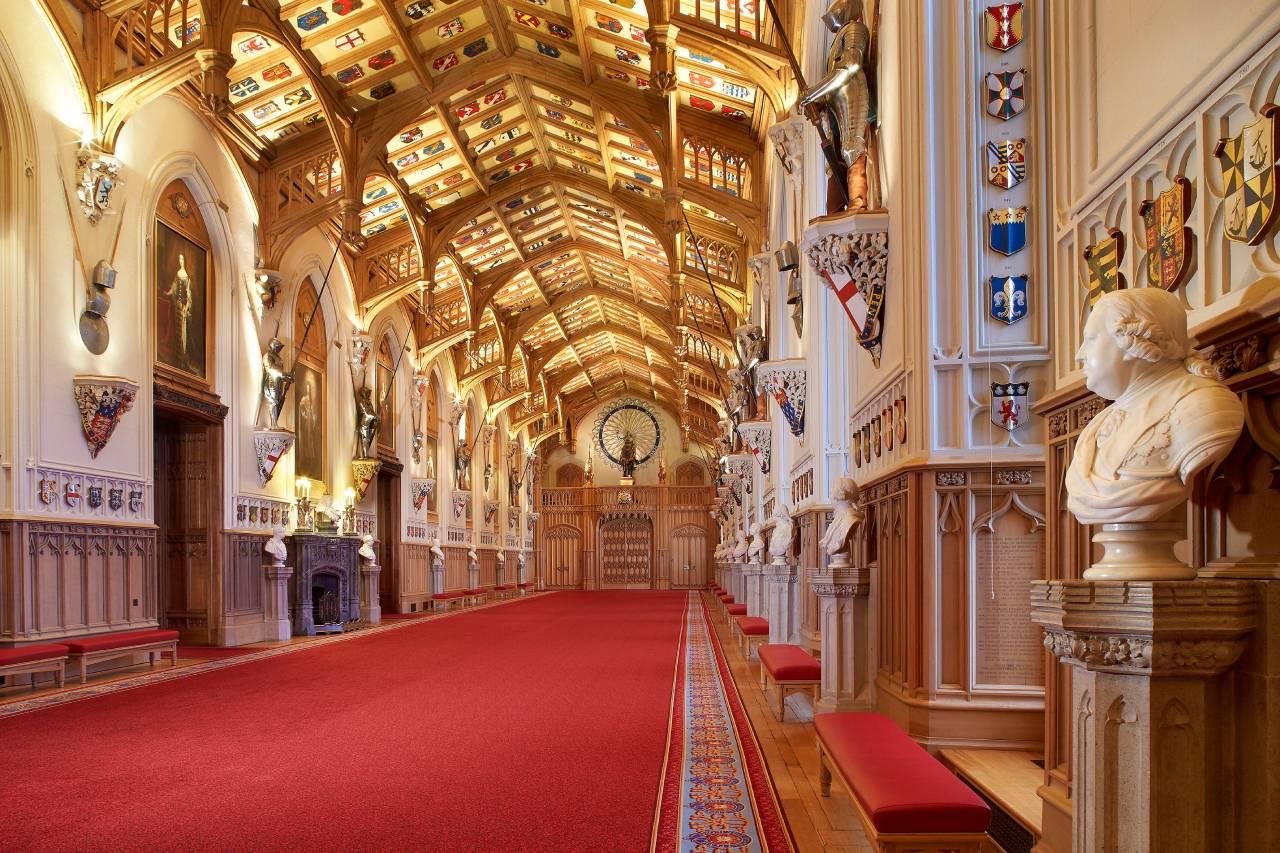
Experience rare access to the stone circle before public opening hours with stonehenge inner circle tours from london, offering morning entry when only special permit holders can walk among the monoliths. These exclusive stonehenge inner circle tours from london tours depart early from central London and include coach transport to the Salisbury Plain, where you'll spend approximately one hour inside the monument's restricted zone. Most itineraries combine the inner circle visit with Bath's Roman architecture or Windsor Castle.
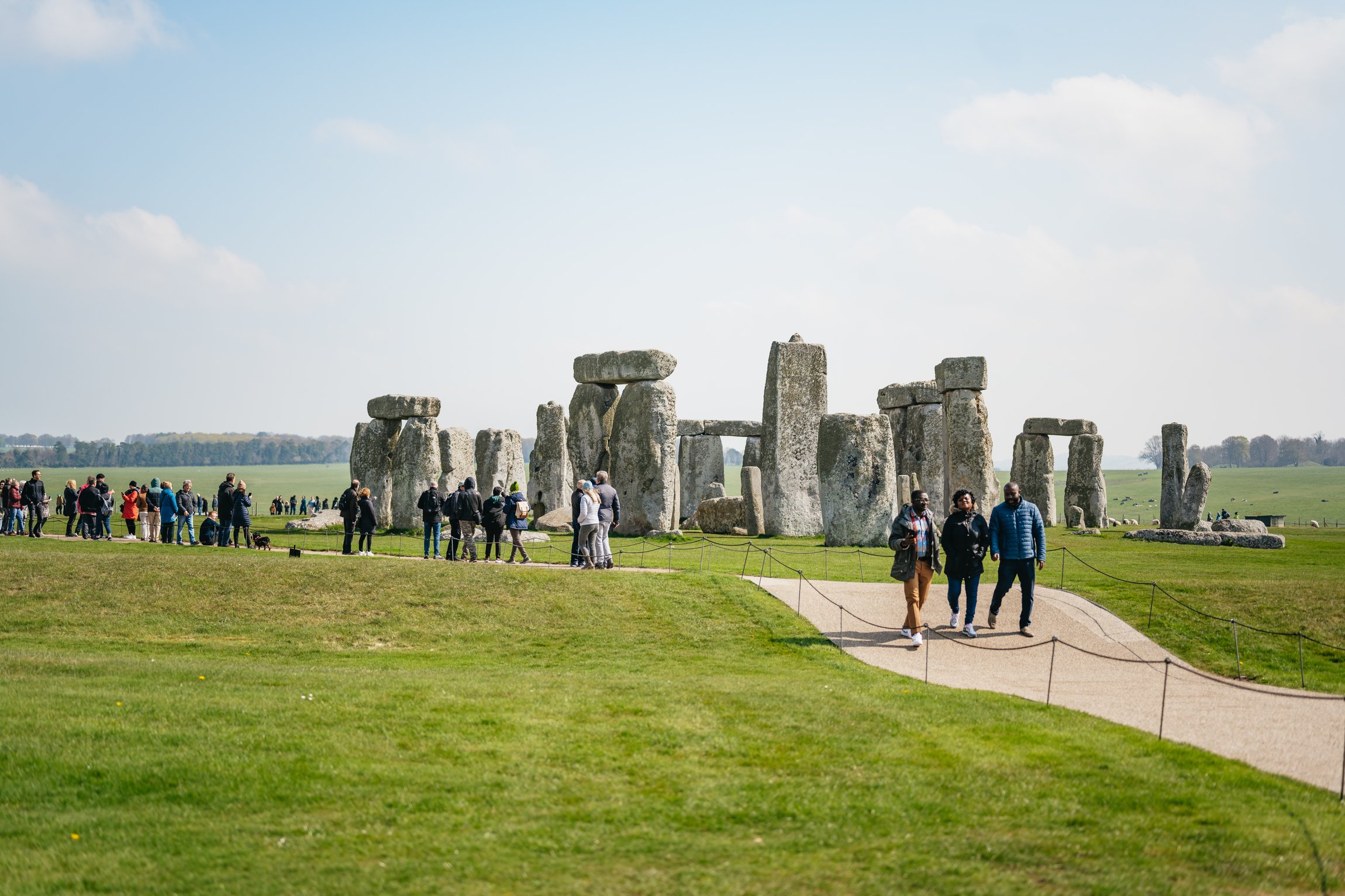
Fewer than one percent of Stonehenge's annual visitors walk among the stones themselves. The 5,000-year-old monument sits behind a permanent rope barrier, observed from a gravel path that circles the sarsen ring at a respectful distance.
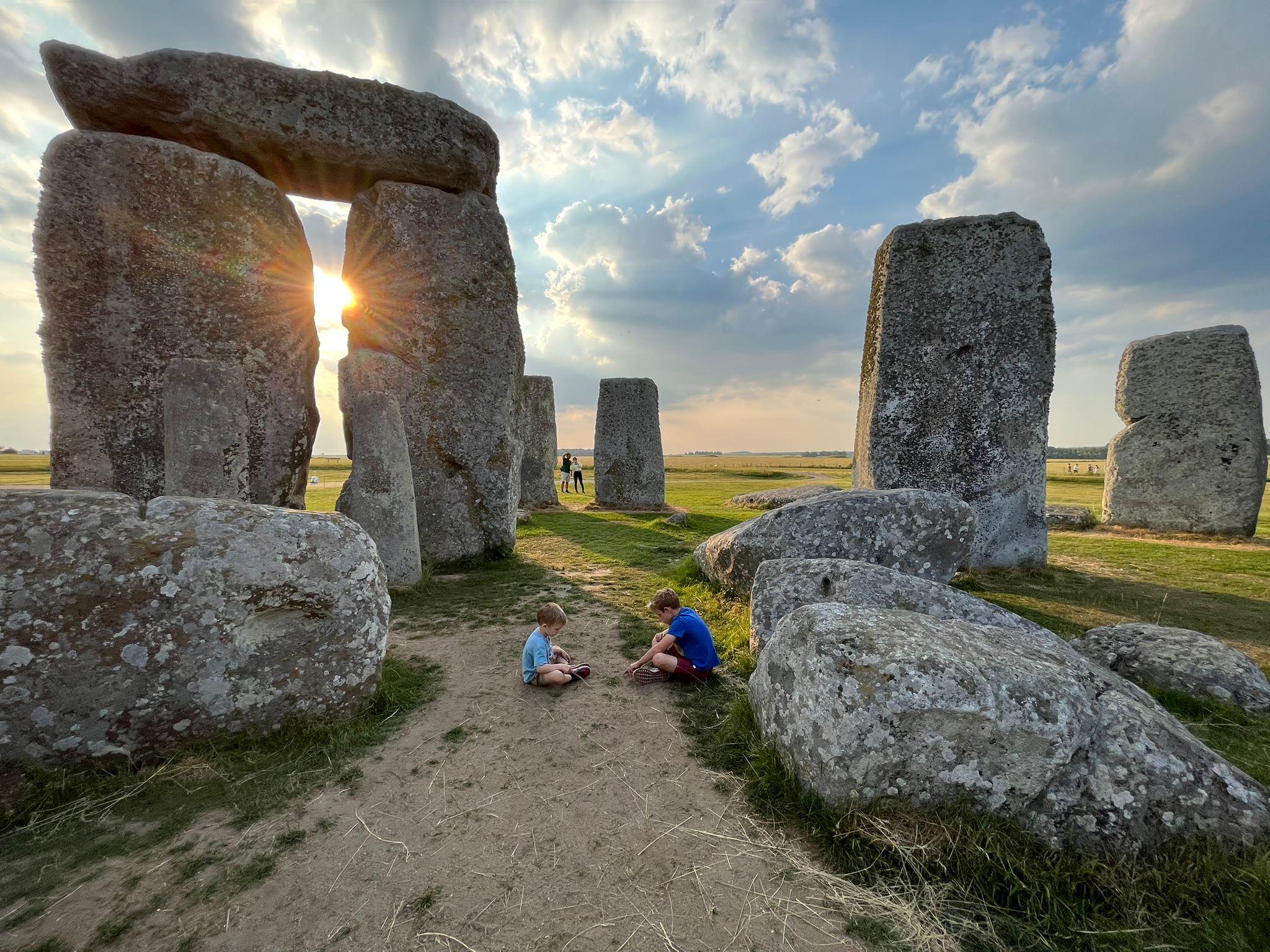
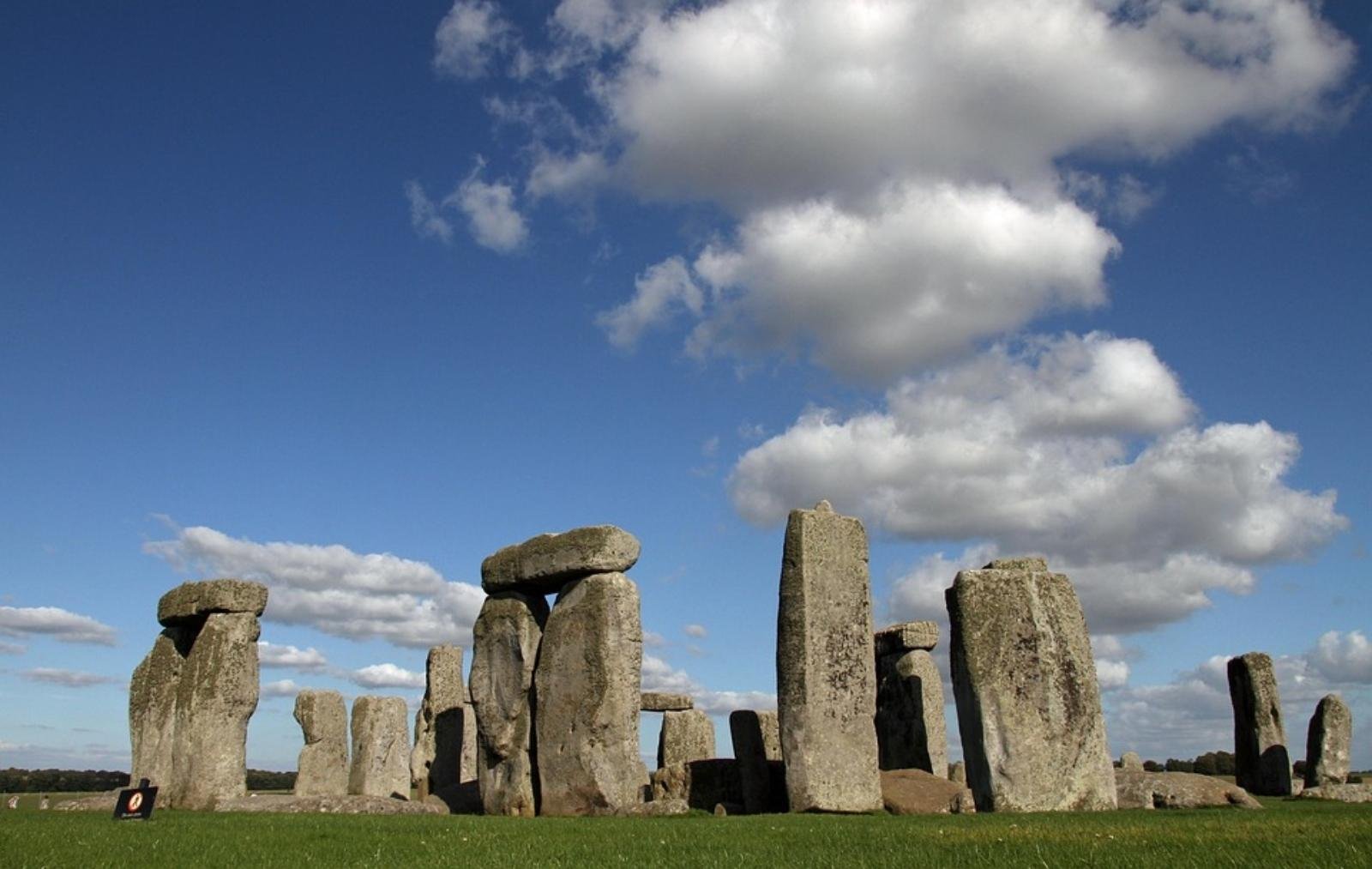
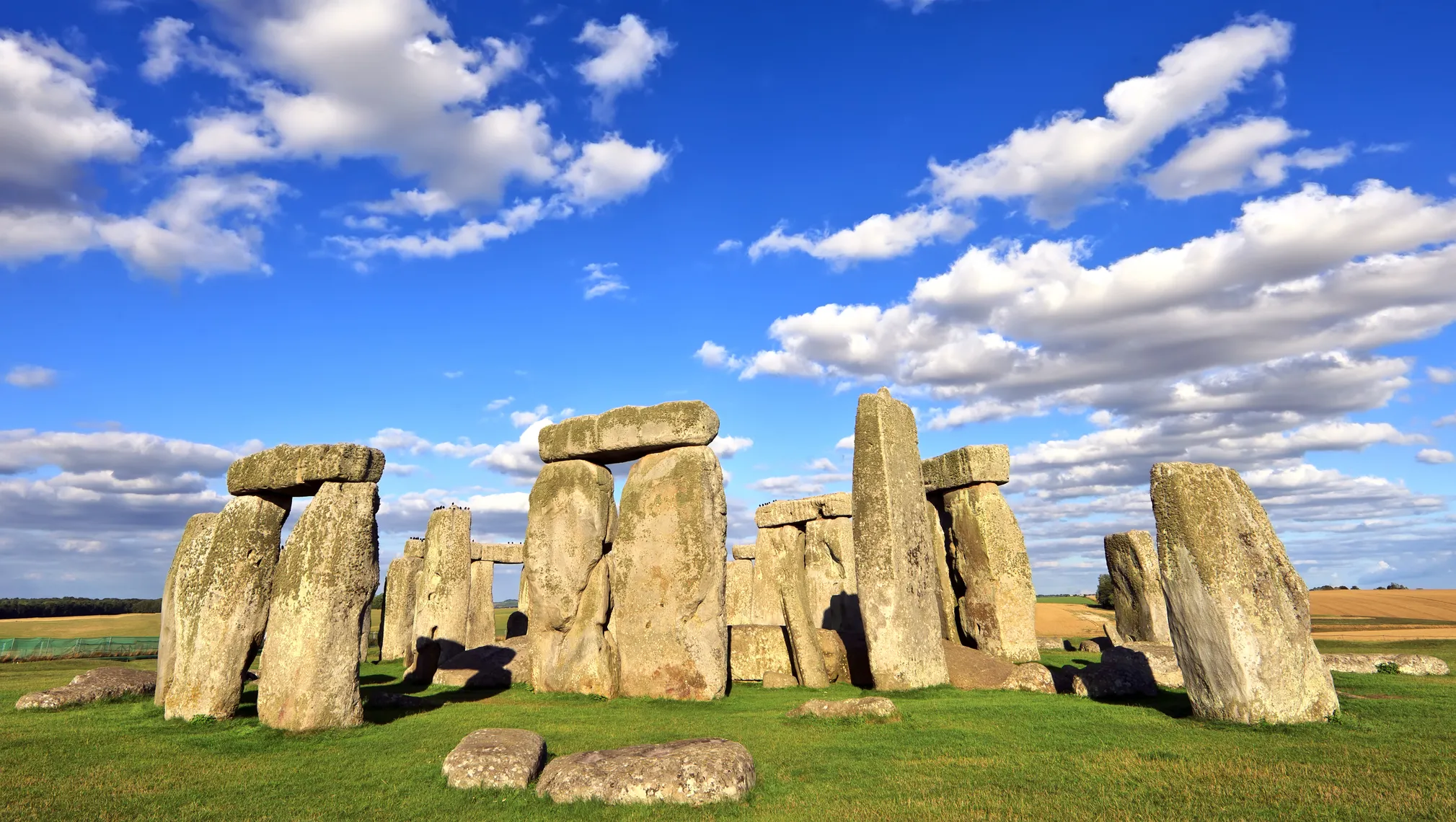
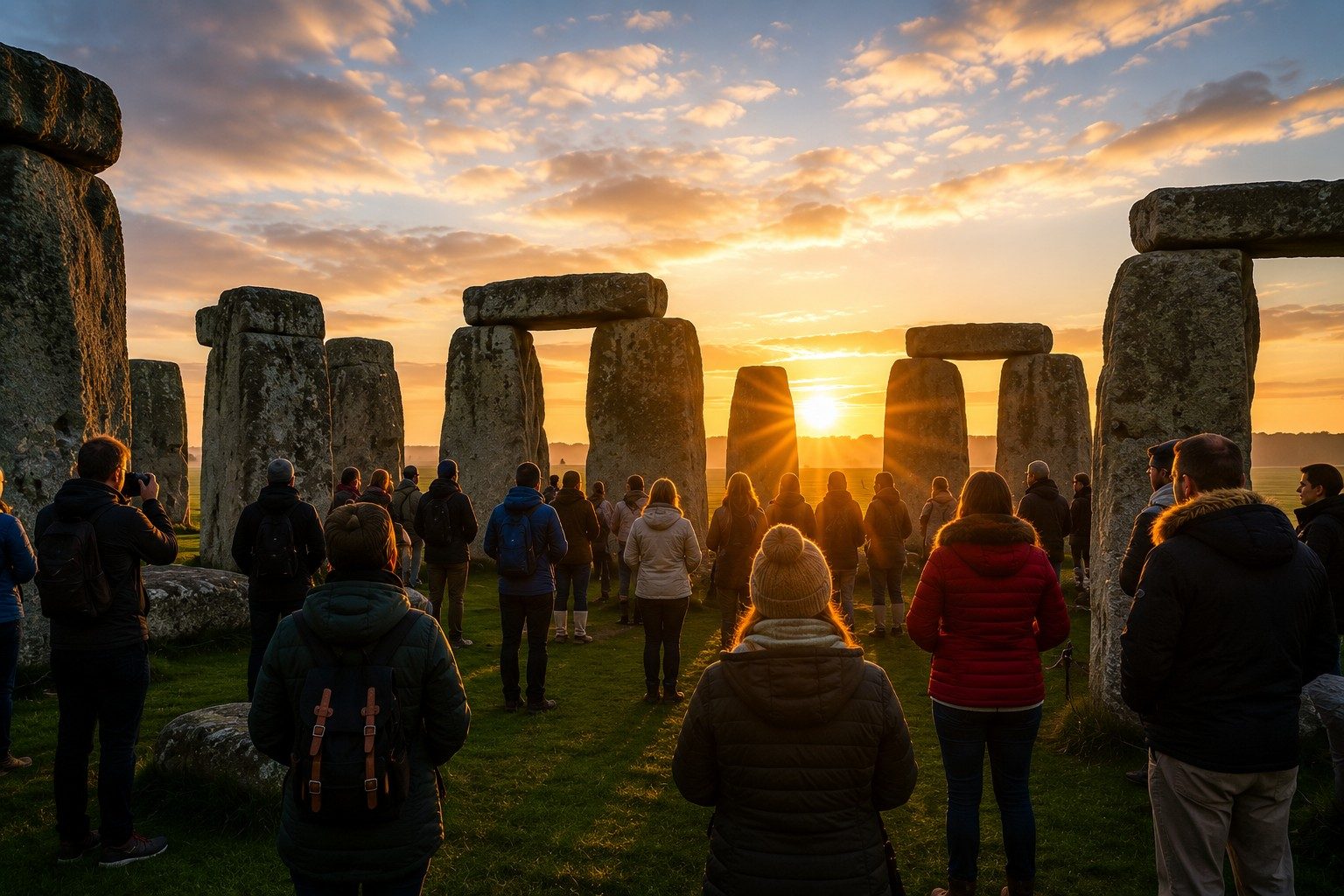
But Stonehenge inner circle tours from London unlock what standard admission cannot: the right to stand within the horseshoe of towering trilithons, to trace the bluestone surfaces brought from Wales 240 kilometers away, and to witness the monument's alignment with the solstice horizon from the vantage point its Neolithic architects intended.
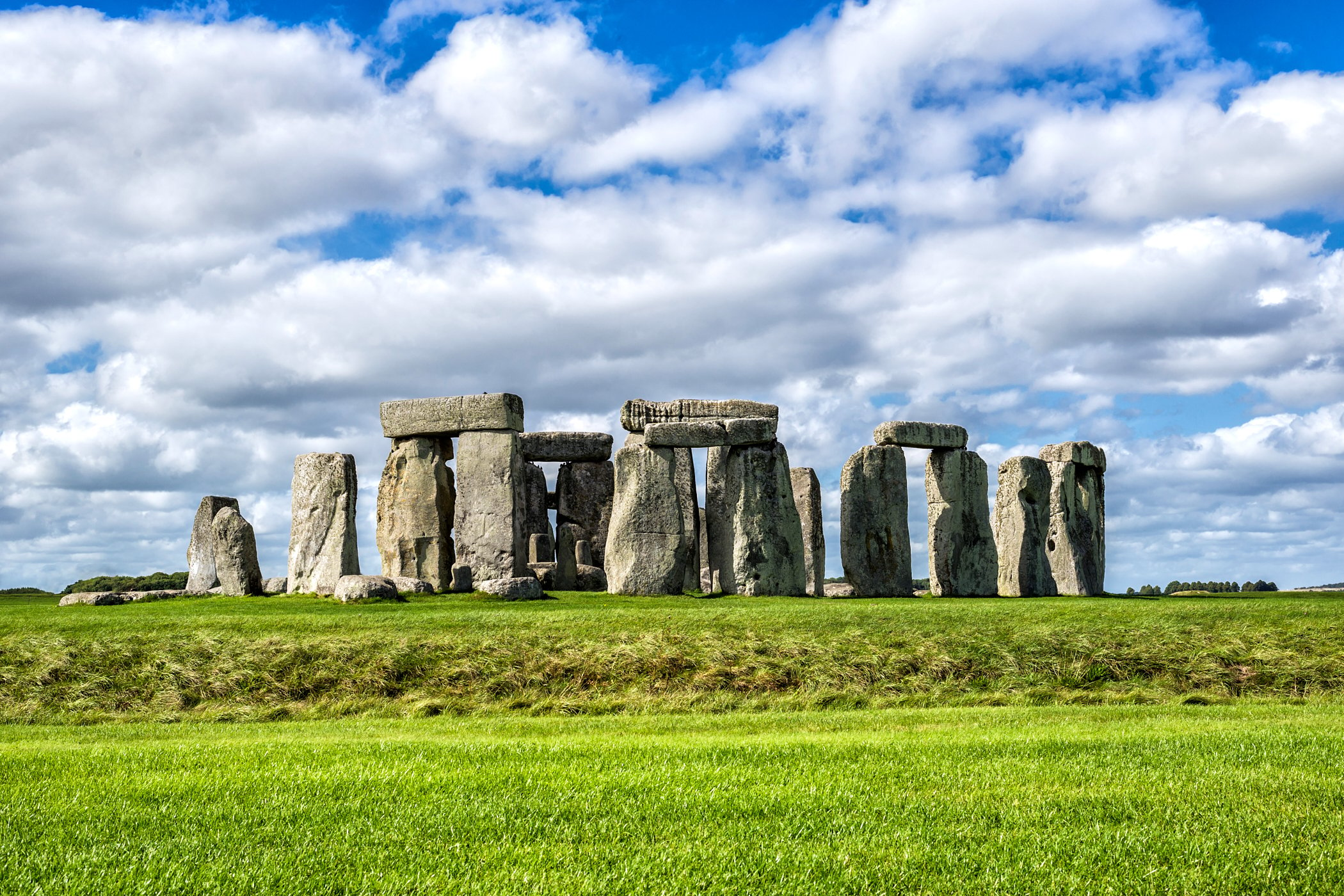
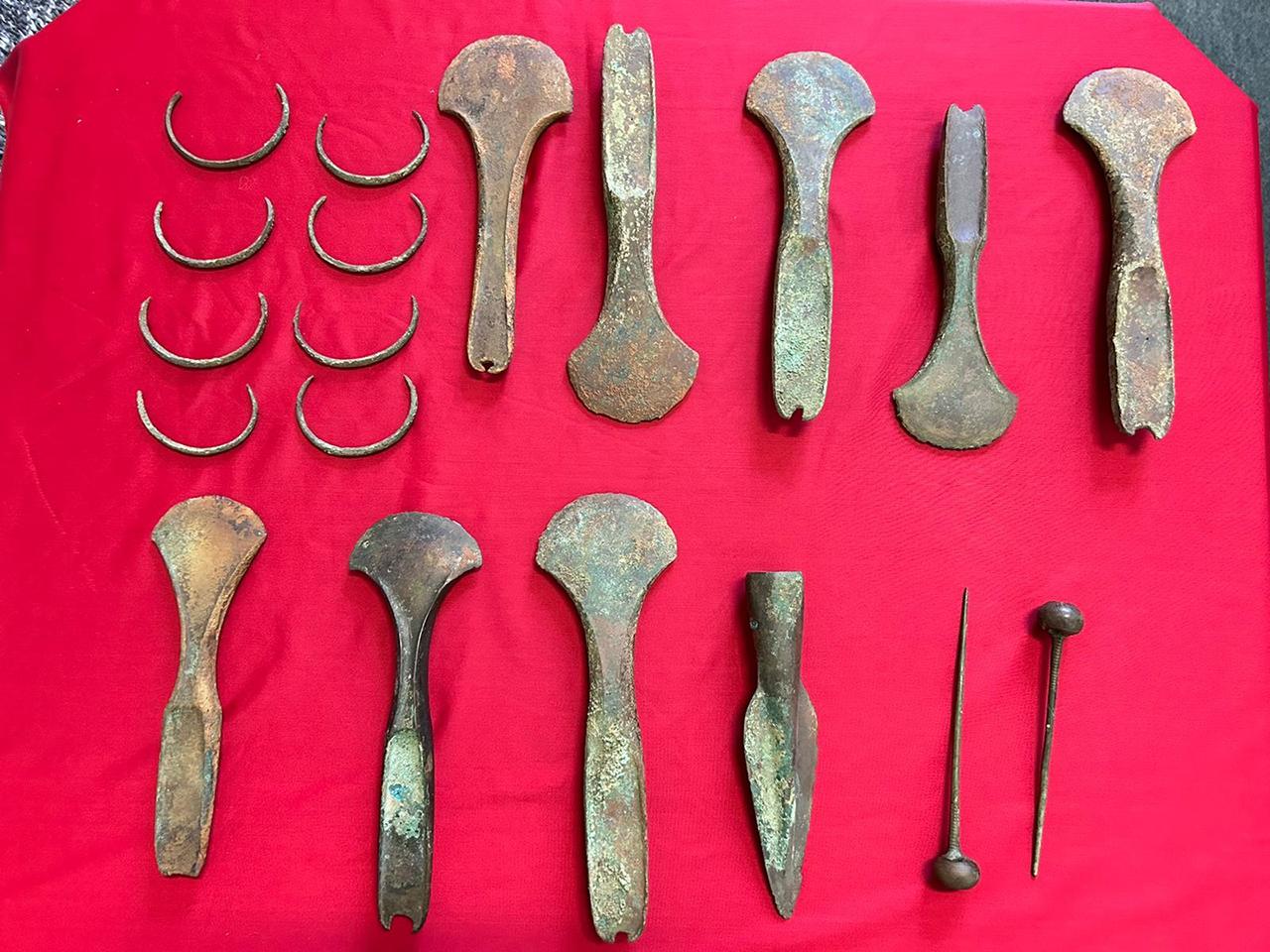
The stones arrived in stages across a thousand years. The outer sarsen circle—each upright weighing 25 tons—was dressed with bronze tools and locked together using mortise-and-tenon joints more commonly seen in carpentry than megalithic construction. Inside, five trilithons rise in a horseshoe open to the northeast, framing the Heel Stone 80 meters beyond the entrance. Recent laser scanning confirms that the builders worked the inner faces smooth while leaving the exteriors rough, a detail invisible from the public path but evident when standing beneath the lintels.
Exclusive access visits operate outside standard hours, typically at dawn or after the 17:00 closure. Tour operators offering the best Stonehenge inner circle tours from London coordinate permits with English Heritage months in advance; availability peaks in spring and autumn, when solstice crowds thin and the Salisbury Plain light turns golden. Many stonehenge inner circle and bath tour from london packages pair the monument with Roman baths 65 kilometers west, creating a full-day Neolithic-to-Roman arc. Stonehenge inner circle sunset tour from London departures time arrival for the hour when horizontal light rakes across the weathered sarsen faces, sharpening every chisel mark.
The site occupies a chalk ridge 3 kilometers west of Amesbury, postcode SP4 7DE, accessible via the A303. General admission operates 09:30 to 17:00 daily at 32 GBP, but inner circle access requires separate advance booking and costs more. No one touches the stones—conservationists enforce a hands-off rule—but the proximity reveals construction details the public path obscures: the tapering uprights designed to correct perspective, the tongue-and-groove joinery between lintels, the bluestones' spotted dolerite grain.
The builders worked the inner faces smooth while leaving the exteriors rough, a detail invisible from the public path but evident when standing beneath the lintels.
All tickets are non-refundable unless the site cannot provide entry due to circumstances outside English Heritage control. Private stonehenge inner circle tours from london bookings remain liable for full balance once payment is made.
Weather · crowds · average price — dots go green to amber to red as each metric rises.
Mild weather perfect for walking the monument landscape.
Secure your stonehenge inner circle tours from london tickets well in advance due to limited daily capacity.
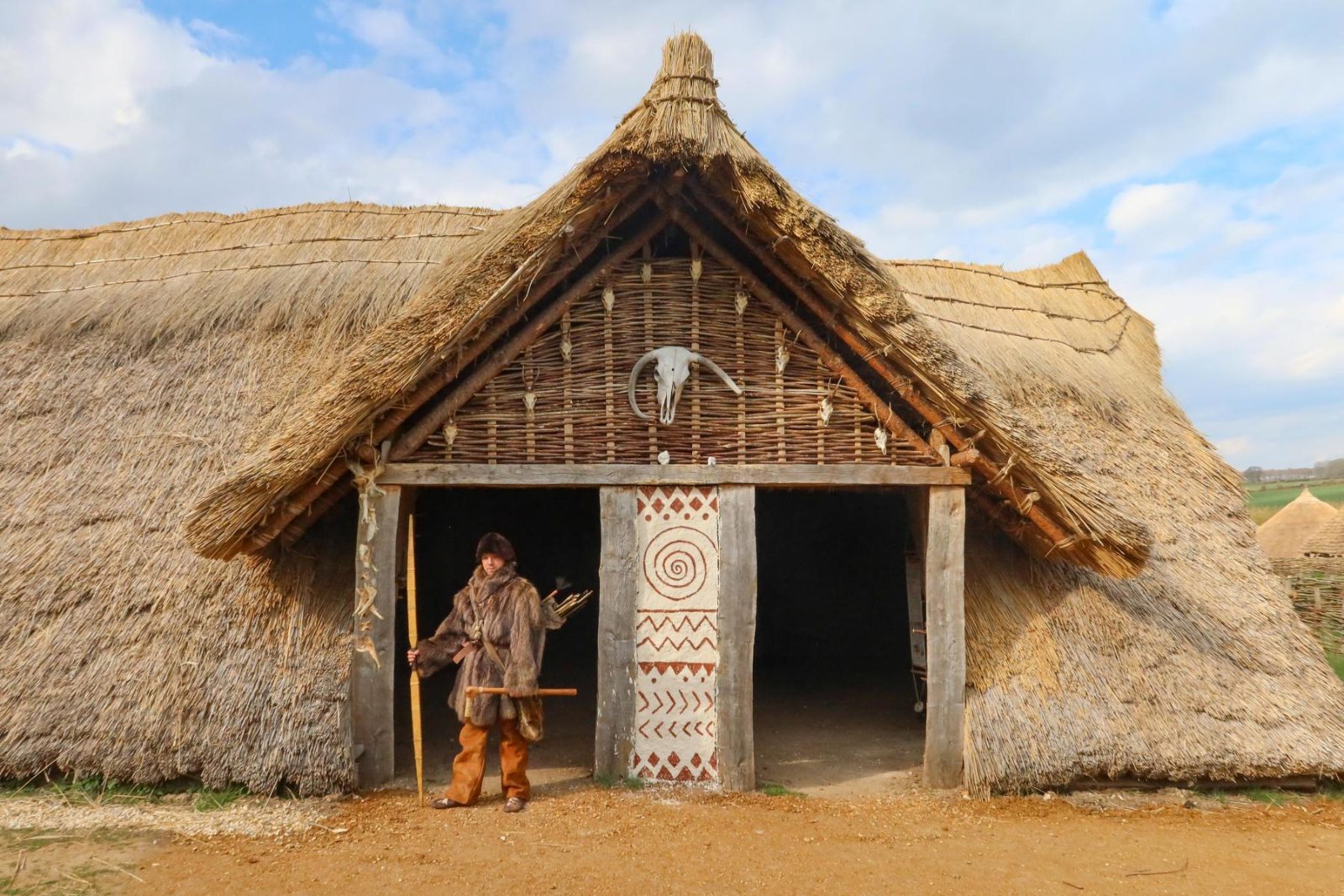
Stonehenge began as a simple earthwork enclosure around 3000 BCE, when Neolithic communities dug a circular ditch and bank in the Wiltshire chalk. The site evolved over fifteen centuries into the monument visible today. Around 2500 BCE, builders transported eighty-two bluestones from the Preseli Hills in Wales, a distance exceeding two hundred miles. The logistics remain disputed: some archaeologists argue for human haulage via sledge and river raft, while recent studies suggest glacial transport deposited the stones closer to the site. The sarsen circle, erected circa 2400 BCE, required thirty stones weighing up to twenty-five tons each, quarried from Marlborough Downs fifteen miles north. Workers shaped the sarsens with stone mauls and fitted them using mortise-and-tenon joints, a carpentry technique unprecedented in British megalithic architecture. The site's original function continues to generate debate. Excavations in the twentieth century revealed cremated remains of at least sixty-three individuals, suggesting a role as an elite burial ground between 3000 and 2300 BCE. Astronomical alignments—the avenue entrance frames the midsummer sunrise, while the monument's axis points toward midwinter sunset—indicate ceremonial use tied to solar cycles. Stonehenge inner circle tours from London now offer access to areas closed during standard visits, allowing closer examination of the trilithons and smaller stones. The monument underwent repeated modification: the bluestones were repositioned at least twice, and the sarsen horseshoe arrangement replaced earlier configurations. By the Bronze Age, activity at the site declined, though Romano-British finds suggest sporadic visits continued into the fourth century CE. Medieval writers attributed Stonehenge to Merlin or giants, ignoring its prehistoric origins. Serious archaeological investigation began in 1901 under William Gowland, who stabilized leaning stones and confirmed the sarsen tooling techniques. Radiocarbon dating in the 1950s established the Neolithic chronology, while recent isotope analysis of cremated remains revealed individuals traveled from Wales and Scotland for burial. UNESCO inscribed the site in 1986, recognizing its exceptional evidence of prehistoric monument design. The landscape surrounding the stones contains over three hundred burial mounds and ceremonial earthworks, forming one of Europe's densest concentrations of Neolithic and Bronze Age structures.
Neolithic communities construct a circular earthwork enclosure with ditch and bank.
Eighty-two bluestones arrive from Wales, transported over two hundred miles to the site.
Builders erect the sarsen circle and trilithons using mortise-and-tenon joinery techniques.
Site functions as cremation cemetery for at least sixty-three individuals, likely elite burials.
William Gowland conducts first systematic excavation, stabilizing leaning stones and analyzing construction methods.
Radiocarbon dating establishes accurate Neolithic chronology, replacing earlier speculative timelines.
UNESCO inscribes Stonehenge as World Heritage Site for exceptional prehistoric engineering evidence.
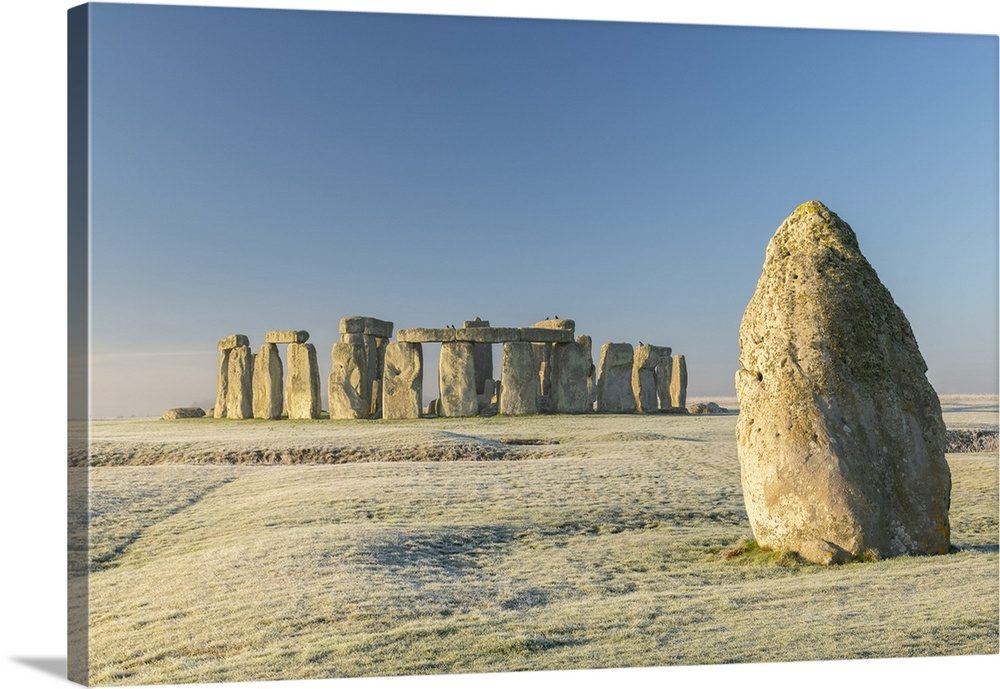
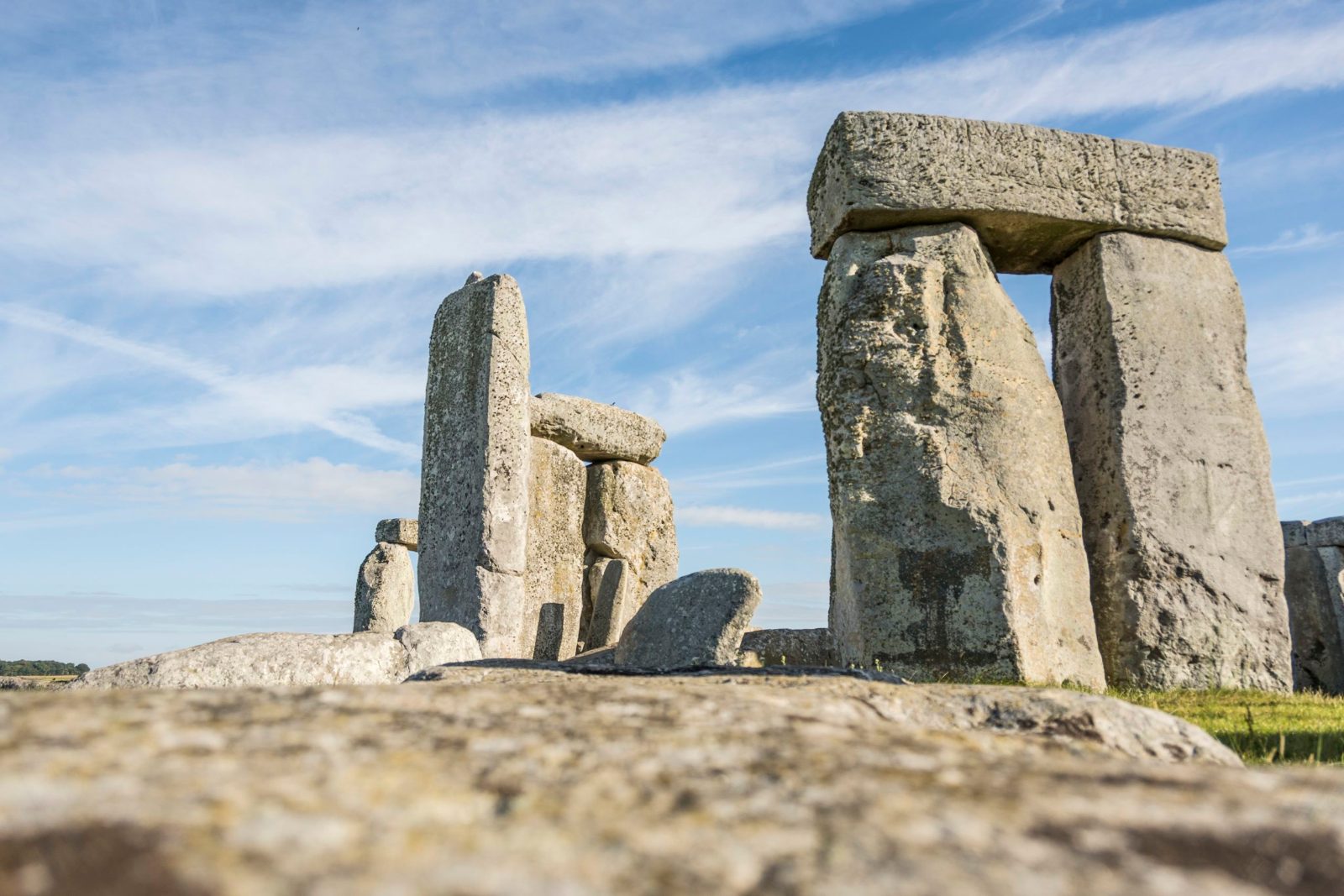
Position yourself near this ancient sarsen stone for a framing shot of the main monument against the horizon. This angle captures the scale of the megaliths before the crowds congregate during stonehenge inner circle tours from london.
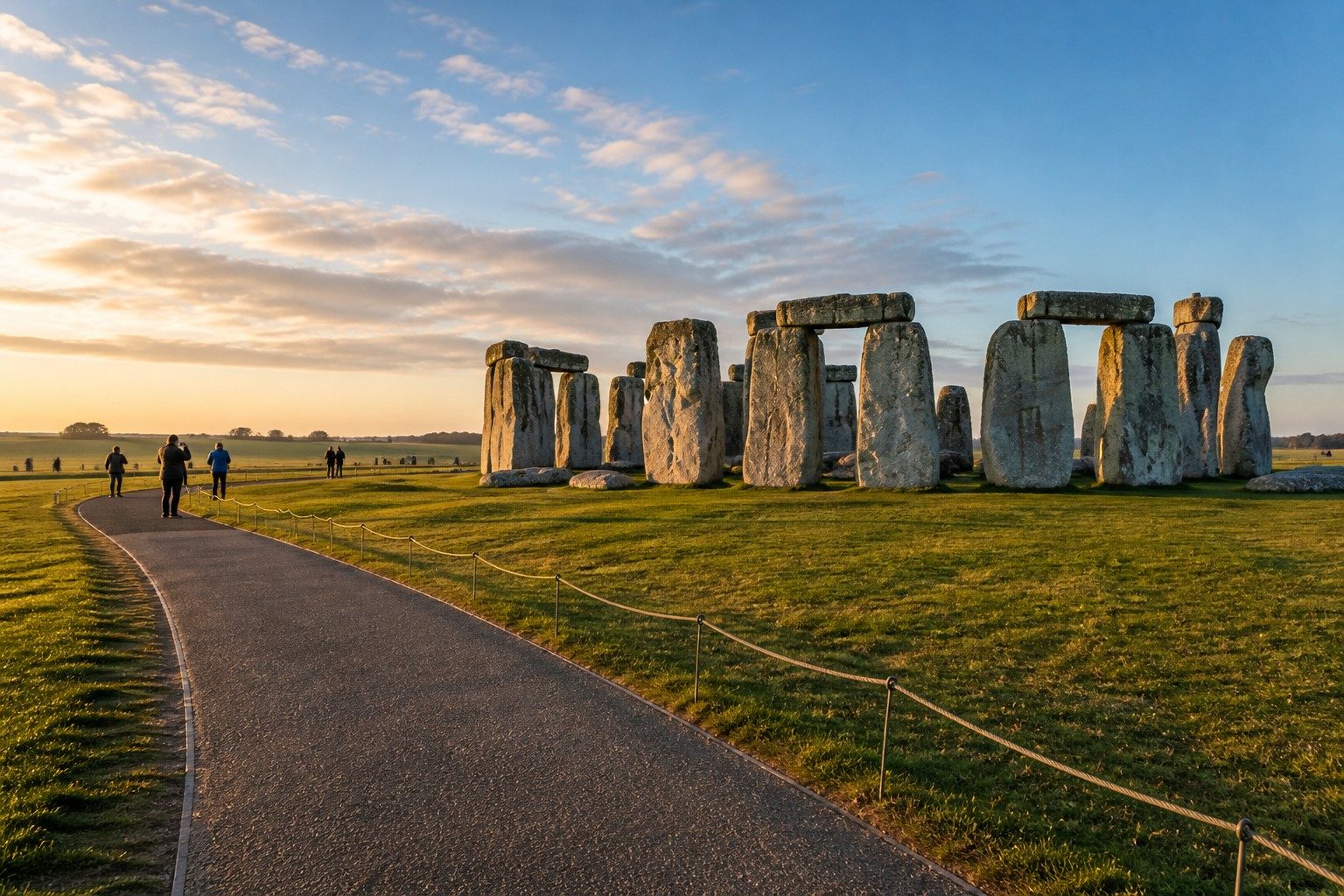
Follow the designated perimeter fence to find elevated sections that provide a clear view of the trilithons. Visitors booking stonehenge inner circle tours from london tickets often use this vantage to study the alignment of the lintels.
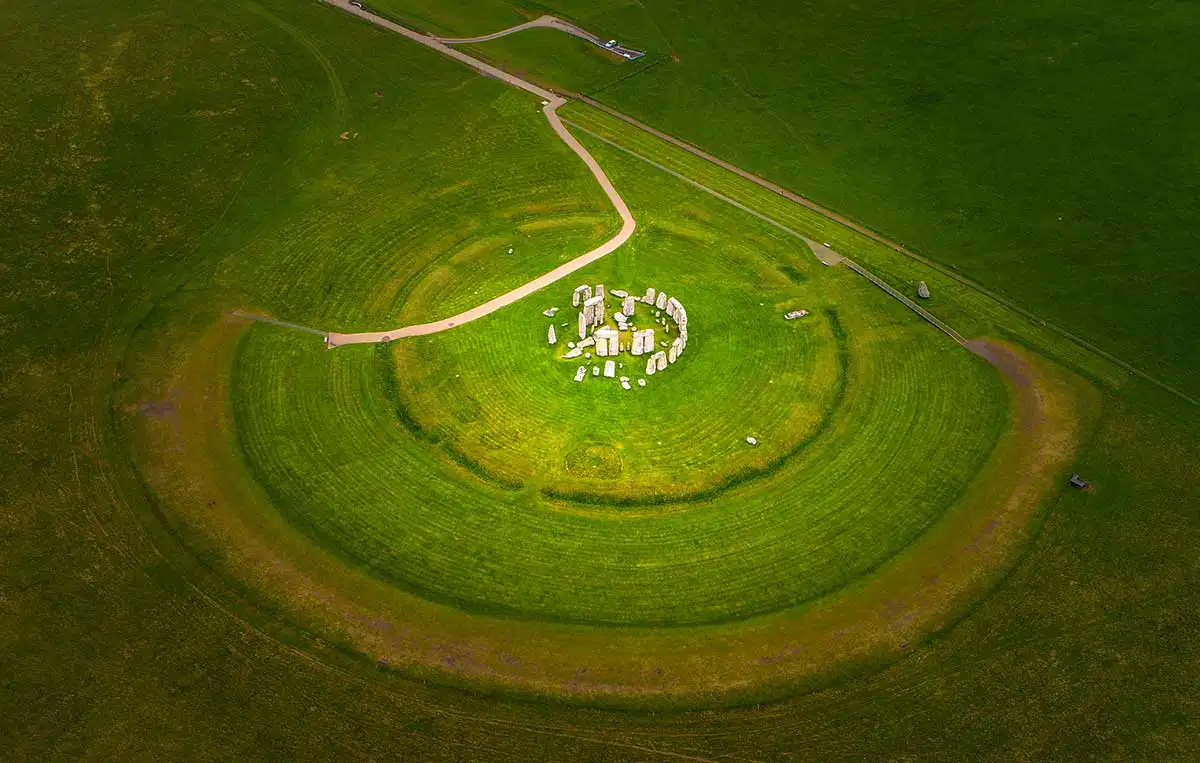
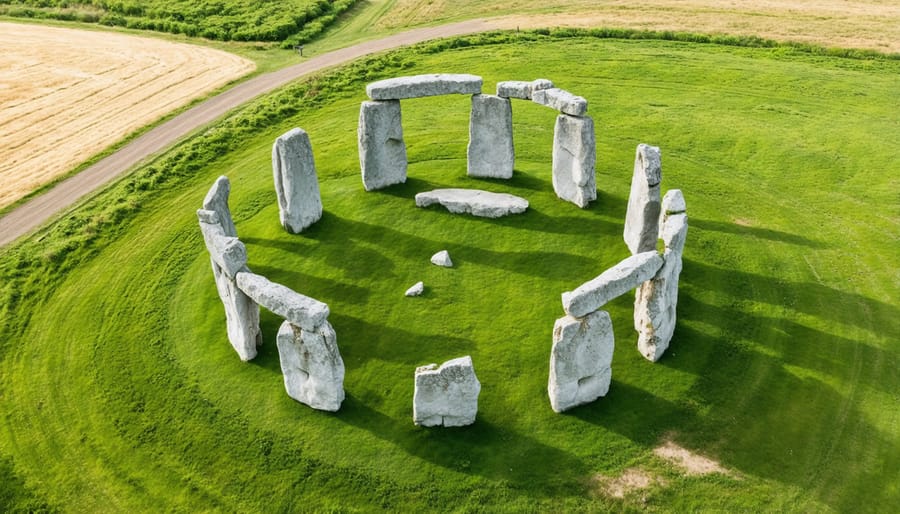
Walk the ancient processional path leading away from the monument to capture the entirety of the stone circle in its landscape. This historic approach provides the context often missing from stonehenge inner circle tours from london tours.
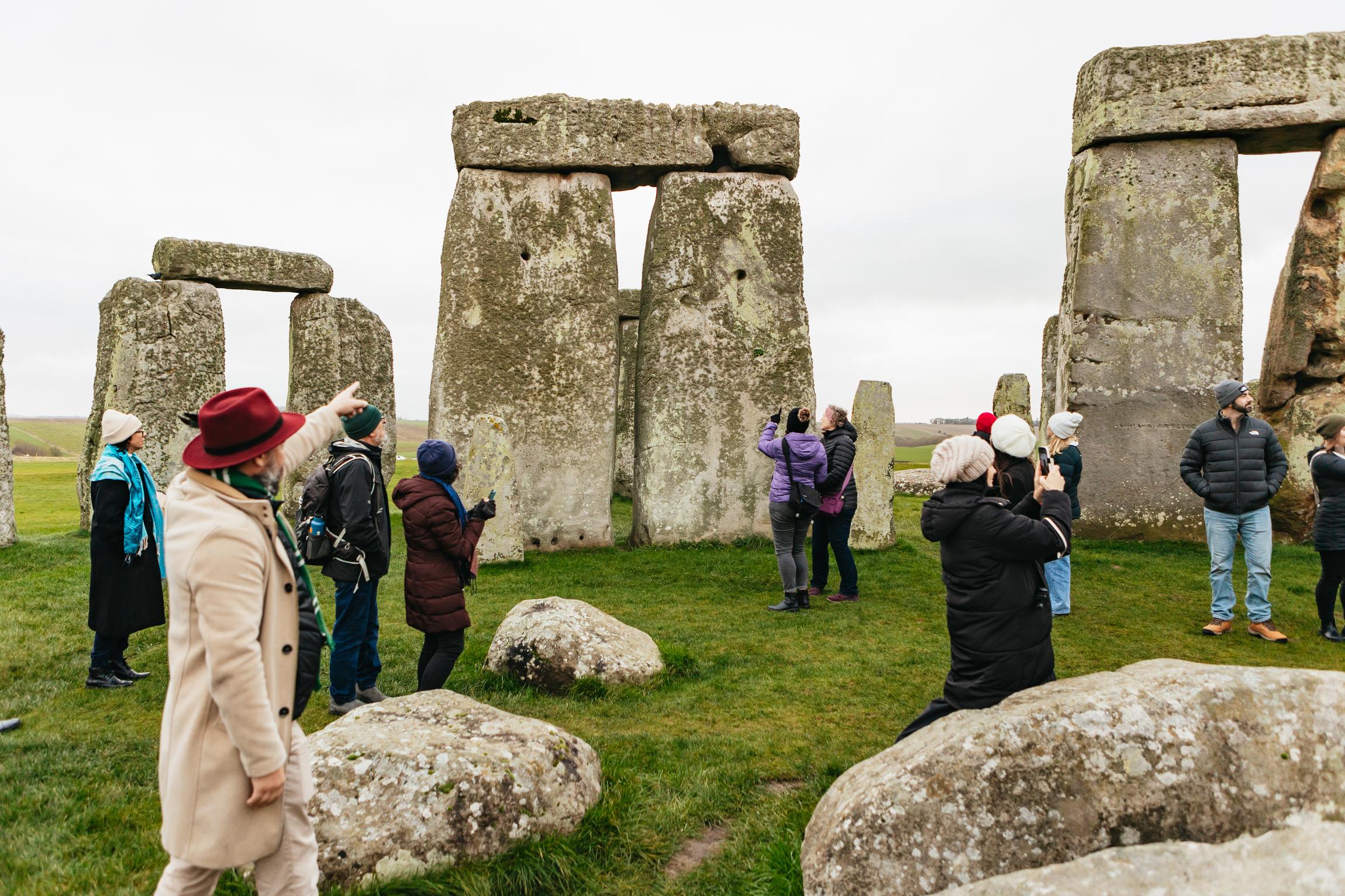
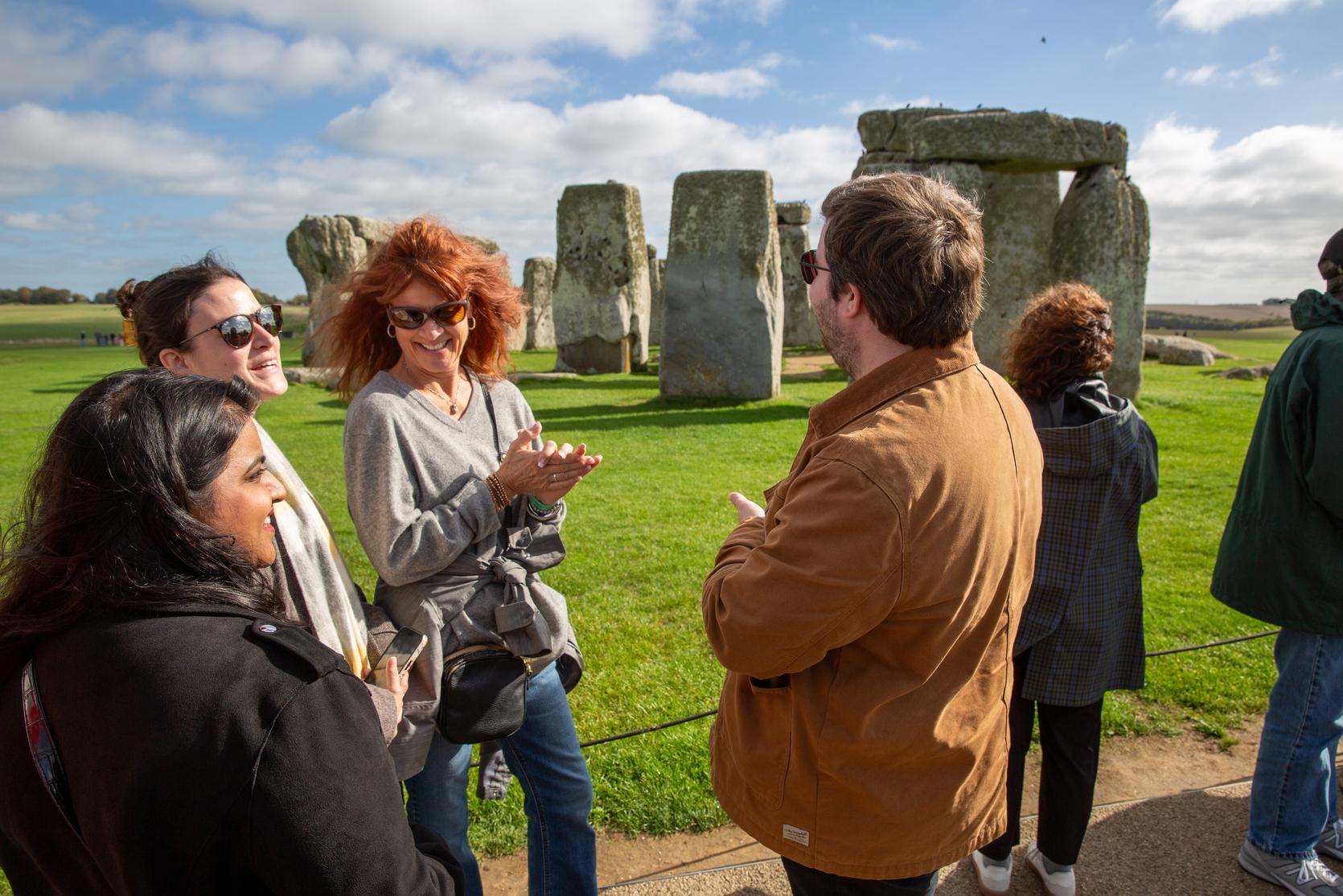
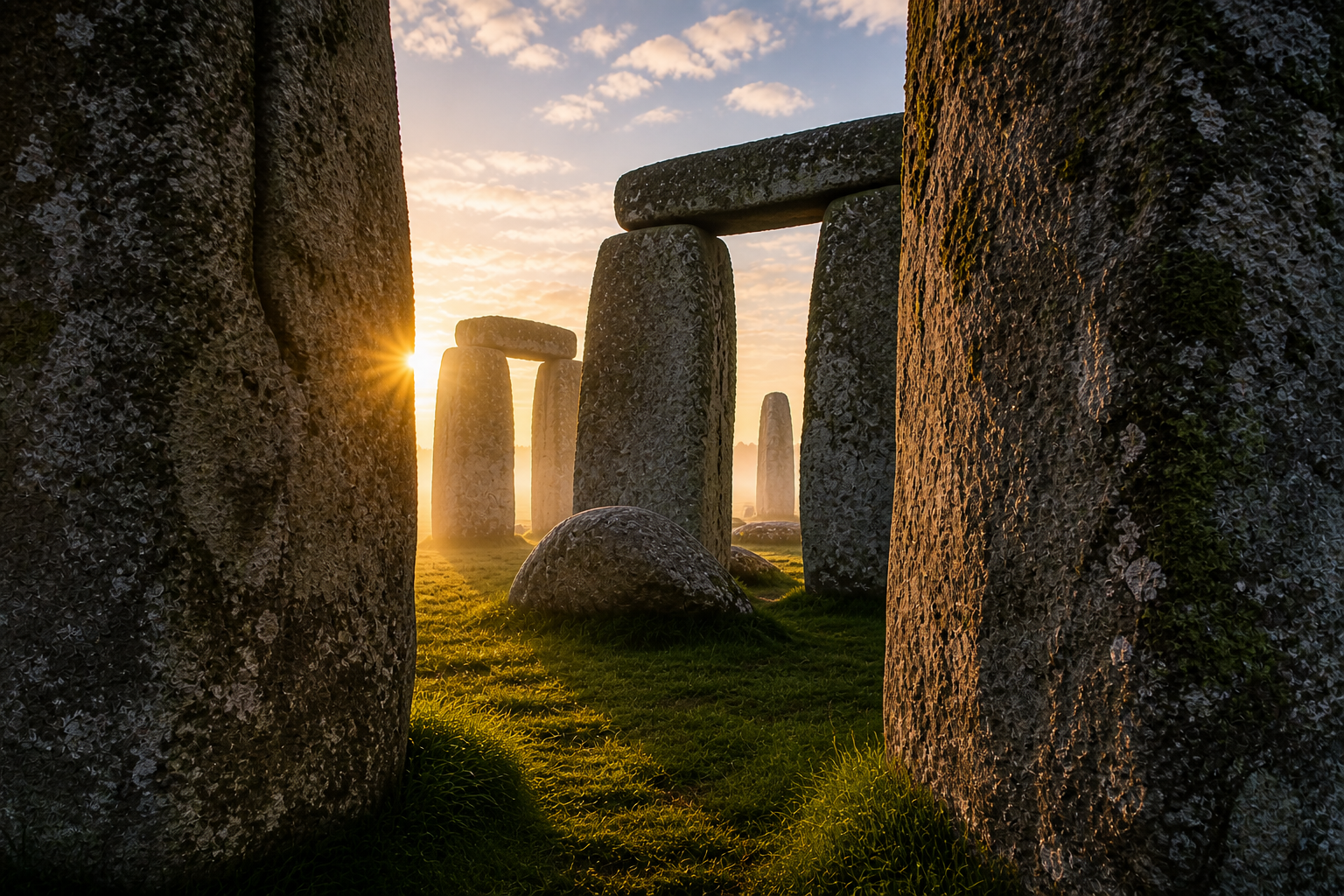
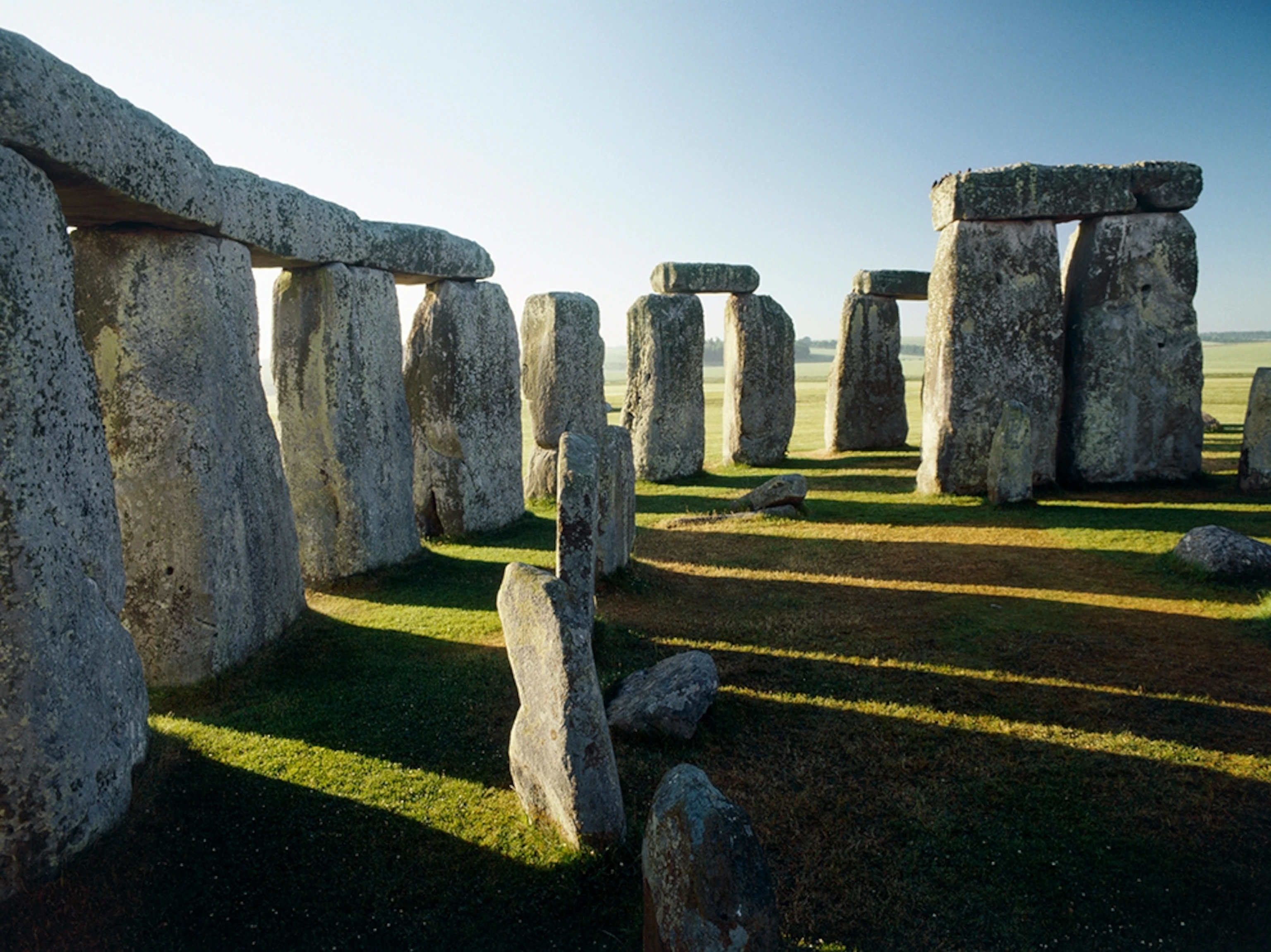
Access the heart of the site during specialized stonehenge inner circle tours from london tour sessions to capture the verticality of the uprights. Standing between the massive stones allows for low-angle perspectives that emphasize the sheer mass of the Neolithic construction.
Everything you need to know for your journey
Yes, the site is paved and accessible for visitors participating in stonehenge inner circle tours from london.
Yes, personal photography is allowed on these tours, though tripods require protective mats.
Early morning or late evening visits are ideal for an intimate experience.
Yes, wear sensible outdoor footwear and warm, layered clothing.
Food is generally not permitted in the stone circle during the tour.
English Heritage tickets are non-refundable; private tour operators have specific cancellation policies.
You can visit nearby sites like Avebury or the historic Salisbury Cathedral during your trip.
A large Neolithic henge and settlement site.
Local hotels near the monument site.
Join thousands of happy travelers who have discovered this incredible experience
Book Your Experience Now