11 hr
Stonehenge and Bath Day Trip from London
- Expert local guide
- Small group
- Skip-the-line access
- Free cancellation
Stonehenge Inner Circle & Bath — Exclusive Access from London
Step inside the sacred stones at dawn, then Georgian terraces by noon
Compare fares, pick the fit — all bookings are mobile-voucher and eligible for free cancellation where shown.
11 hr
6 hr 30 min
11 hr
Selecting the right stonehenge inner circle and bath tour from london depends on your preference for exclusive access versus general visitor site entry. Whether you prioritize an intimate view of the sarsen stones or a flexible day trip from the city, these options accommodate various travel goals.
| General Admission Standard Entry |
Top pick Stonehenge Inner Circle Exclusive Access |
|
|---|---|---|
| Entrance Fee | 32 GBP | Varies by tour operator |
| Access Level | General public area | Inner stone circle access |
| Timed Entry | Required | Strictly scheduled |
| UNESCO Heritage | Included | Included |
| Best for | Budget-conscious visitors | First-timers seeking special access |
| See tickets & prices |
Verdict: For the most comprehensive experience, choose the stonehenge inner circle and bath tour from london tickets, while standard entry remains ideal for those preferring a self-guided journey through these historic Wiltshire landmarks.
Worth it for exclusive access seekers
A stonehenge inner circle and bath tour from london typically runs £150–250 depending on whether you book the private inner circle access or a standard combined itinerary. The standard Stonehenge and Bath day trips deliver transport, guided commentary, and admission to both Bath's Roman Baths and Stonehenge's outer viewing path—decent value if you price out train tickets (£70+ return), individual entry fees (£32 for Stonehenge, £25 for Roman Baths), and a day's logistics. The premium tier—Stonehenge private inner circle tours with Bath—grants before-hours access inside the stone circle itself, a privilege unavailable during public hours and limited to 26 people per slot. That exclusivity justifies the higher cost for history enthusiasts and photographers chasing empty-monument shots. If you only want the standard perimeter walk and Bath's highlights, independent travel via rail to Salisbury and a local stonehenge inner circle and bath tour from london tickets bundle saves roughly £40–60. Bottom line: bundled stonehenge inner circle and bath tour from london tours work for time-strapped visitors valuing convenience over cost; inner circle access editions reward those paying for rare proximity to the megaliths.
Bottom line: Pay the premium if convenience or inner circle access matter more than budget; otherwise, independent rail travel and separate stonehenge inner circle and bath tour from london tickets deliver the same sights for less.
Most visitors seeking a comprehensive day trip choose the stonehenge inner circle and bath tour from london for its mix of prehistoric mystery and Roman architecture, whereas the alternative is superior for those prioritizing royal history and shorter travel times. These stonehenge inner circle and bath tour from london tours offer distinct experiences depending on whether your preference leans toward Georgian spa towns or medieval fortresses.
|
Top pick Stonehenge & Bath |
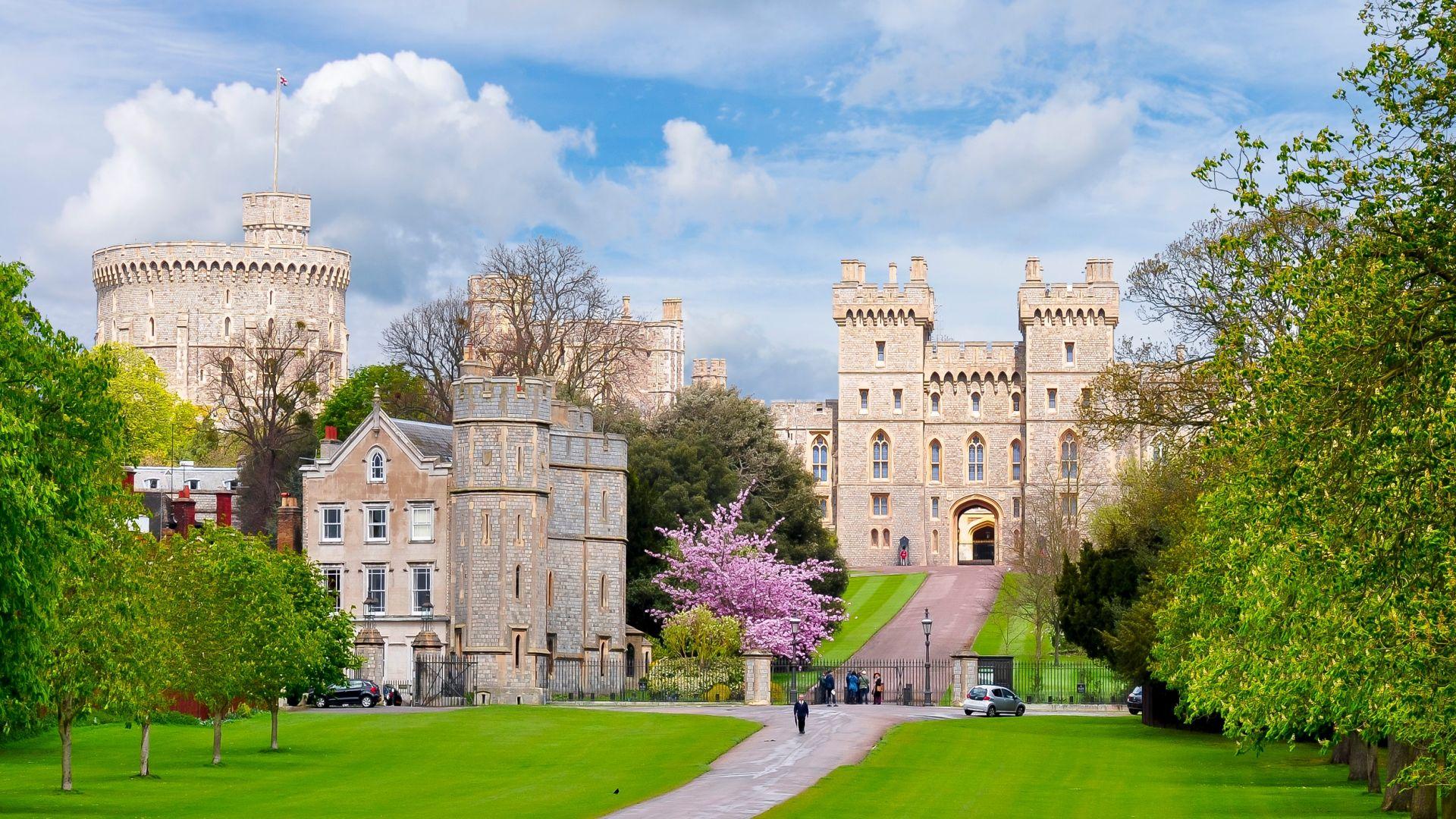
Windsor & Stonehenge | |
|---|---|---|
| Primary focus | Neolithic site and Roman city | |
| Travel time from London | 2.5 hours each way | |
| Access level | Special access inner circle available | |
| Group size | Typically 15-50 participants | |
| Key landmark | Roman Baths | |
| Included highlights | Salisbury Cathedral and Bath Abbey | |
| Standard duration | 11-12 hours | |
| Adult pricing | From 149 GBP | |
| See tickets & prices |
Verdict: Select the stonehenge inner circle and bath tour from london tickets if you prefer a deeper immersion into ancient landscapes and urban history, but book the Windsor itinerary if you want to maximize time at a royal residence and spend less of your day in transit.
Hand-picked experiences loved by thousands of travelers
12 hours
Free Cancellation
Step inside the stone circle at dawn or dusk on this exclusive full-day journey from London
11 hours
Free Cancellation
Journey to two UNESCO World Heritage Sites in one unforgettable day from the capital
11 hours
Free Cancellation
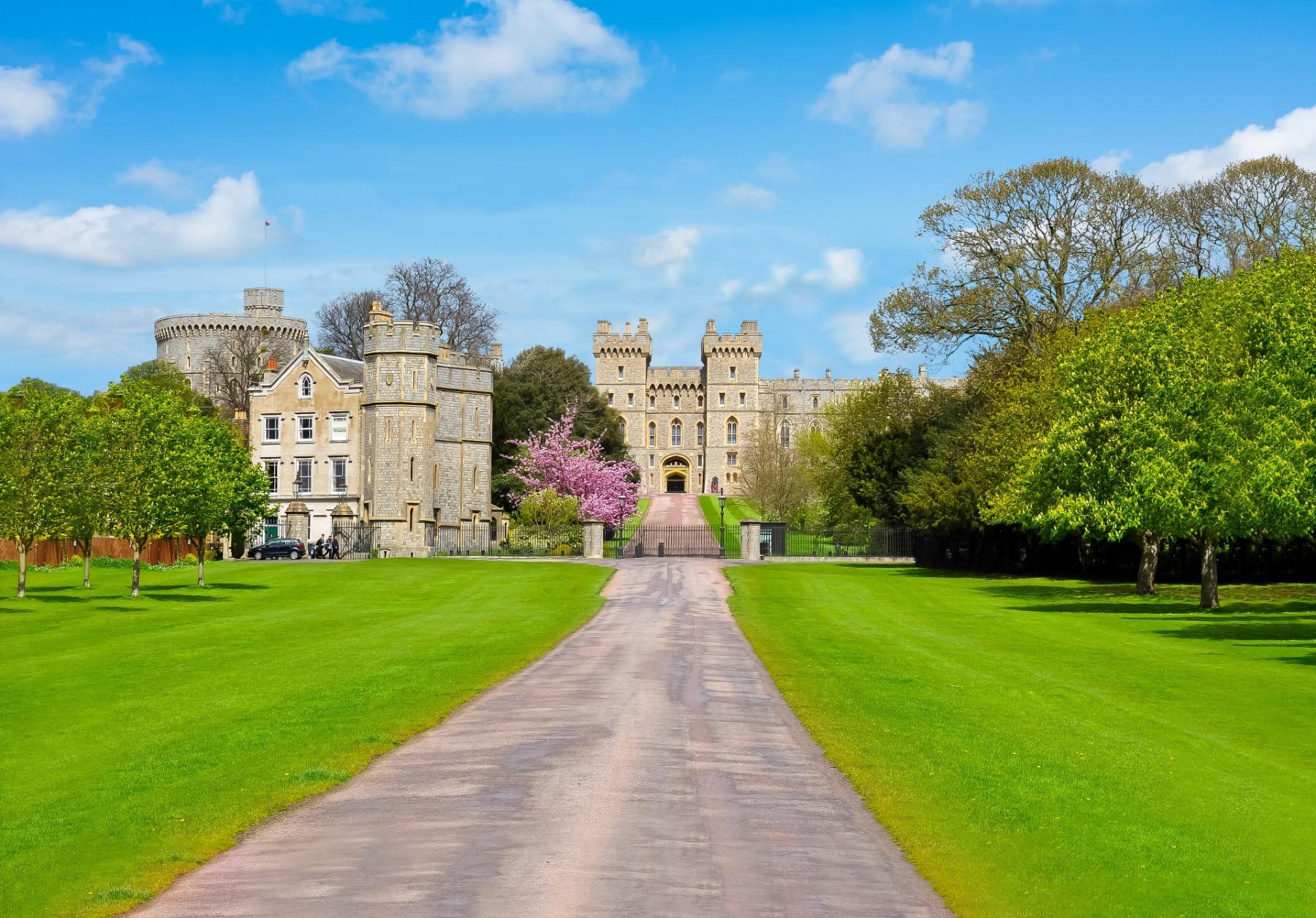
Discover three iconic English landmarks in one day: a royal castle, ancient stone circle, and Georgian spa city.
11 hours
Free Cancellation
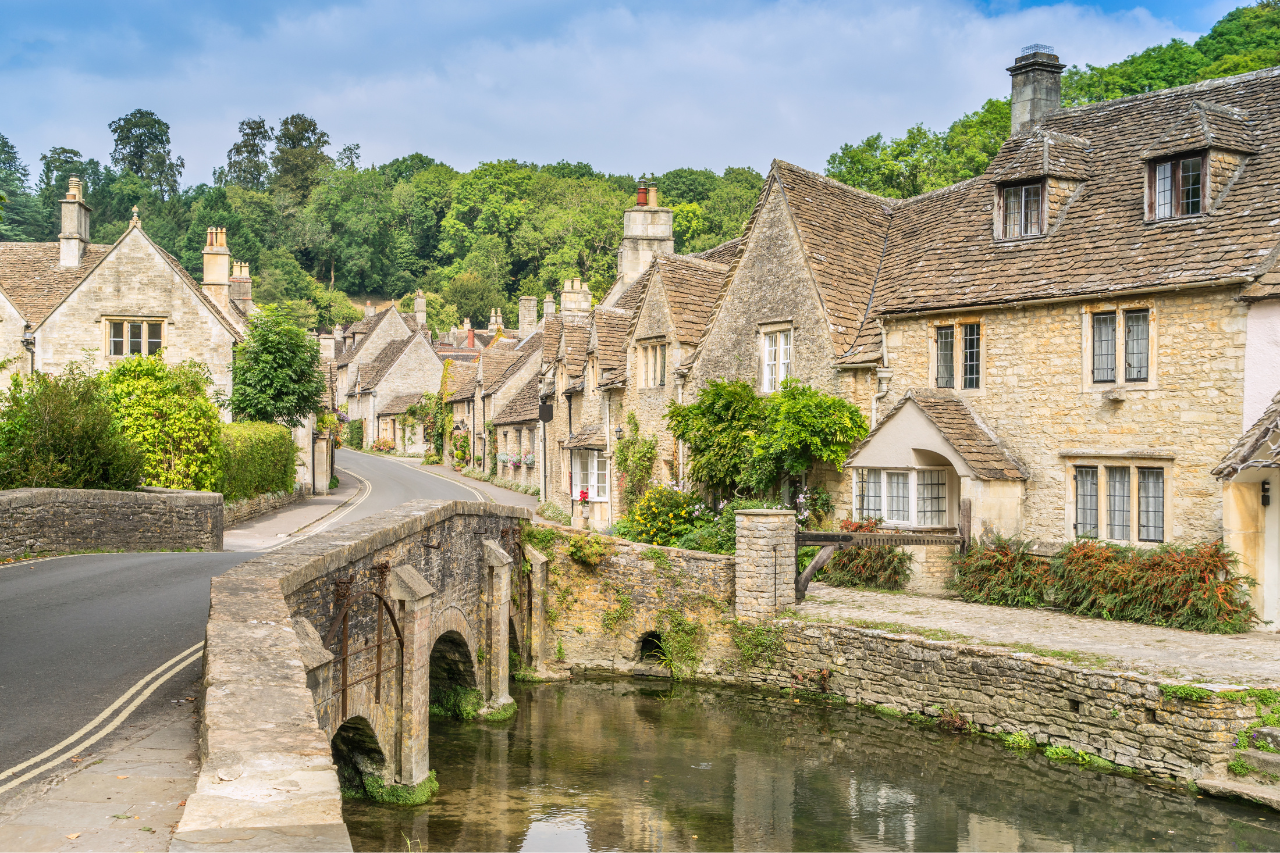
Discover ancient mysteries, Georgian elegance, and picture-perfect villages on this full-day escape from London
11 hours
Free Cancellation
Visit two UNESCO World Heritage Sites in one day: the ancient stone circle and Georgian Bath
10 hours
Free Cancellation
Journey to England's iconic prehistoric monument and Georgian spa city on a guided coach excursion
11.5 hours
Free Cancellation
Journey through England's ancient wonders and Georgian elegance on this surprise-filled adventure
11 hours
Free Cancellation
Explore Stonehenge's sacred center before crowds arrive, then discover Windsor's royal heritage
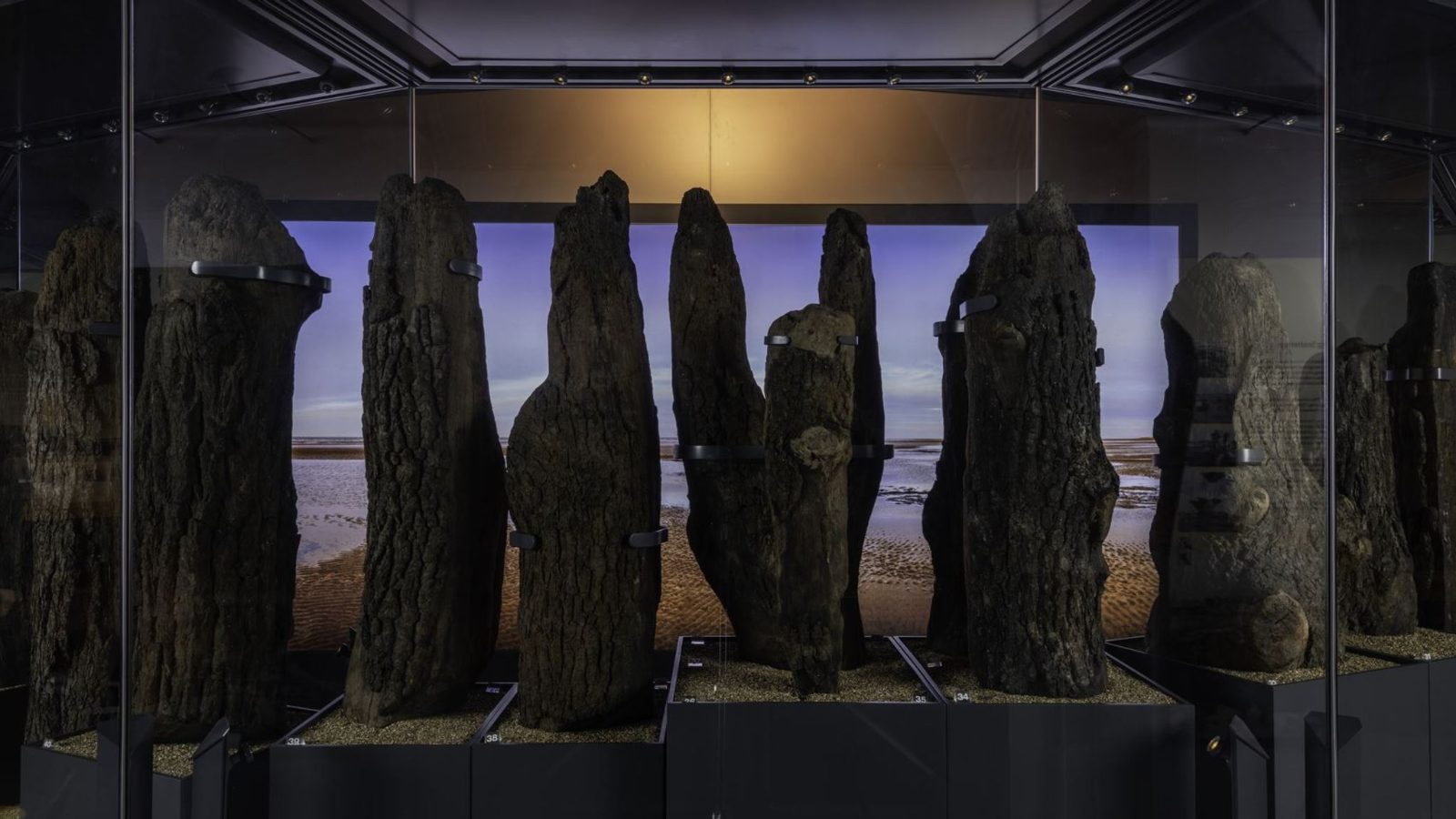
Explore the prehistoric objects and history.
Transfer to the monument site.
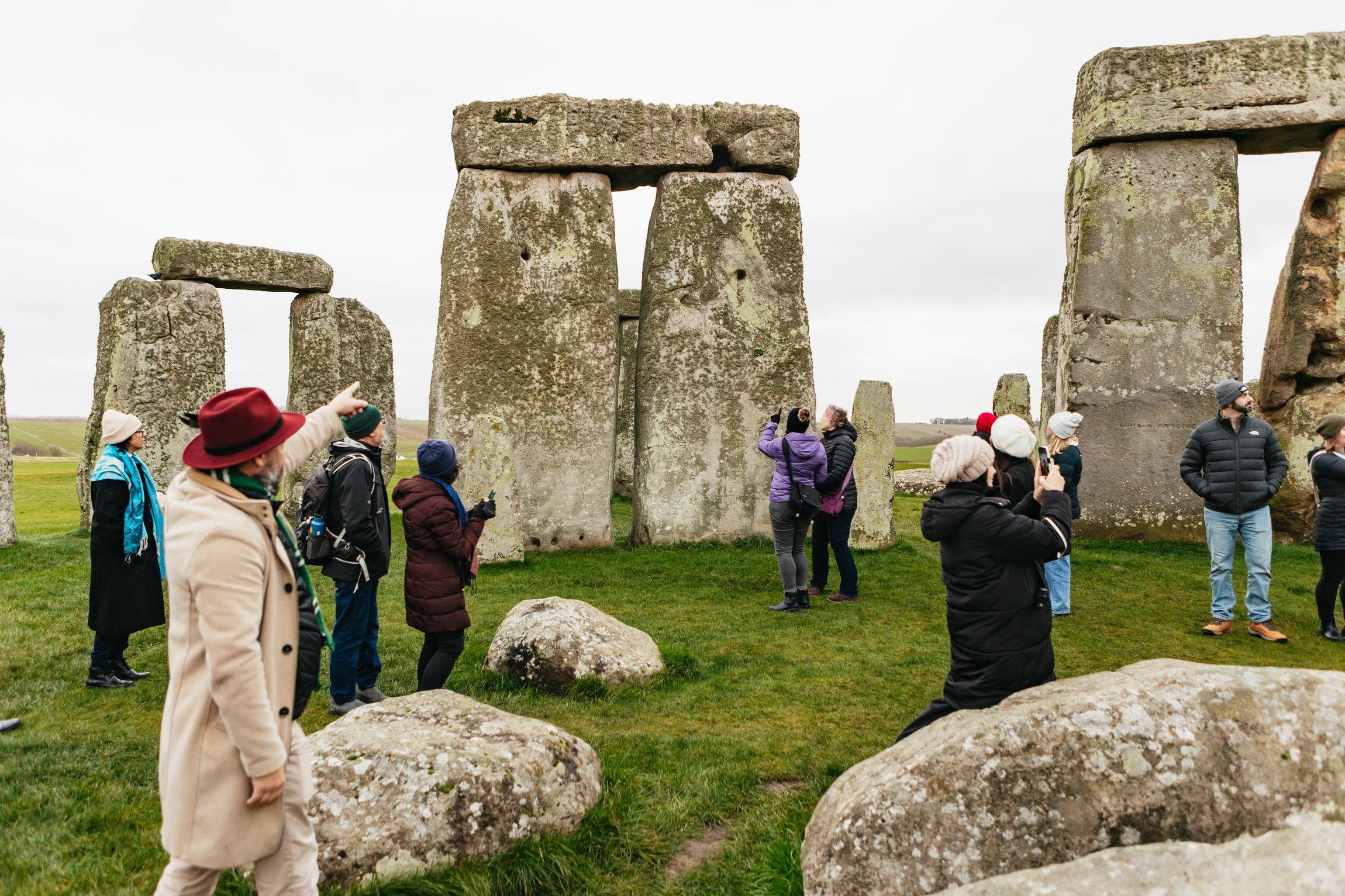
View the monument via the designated path.
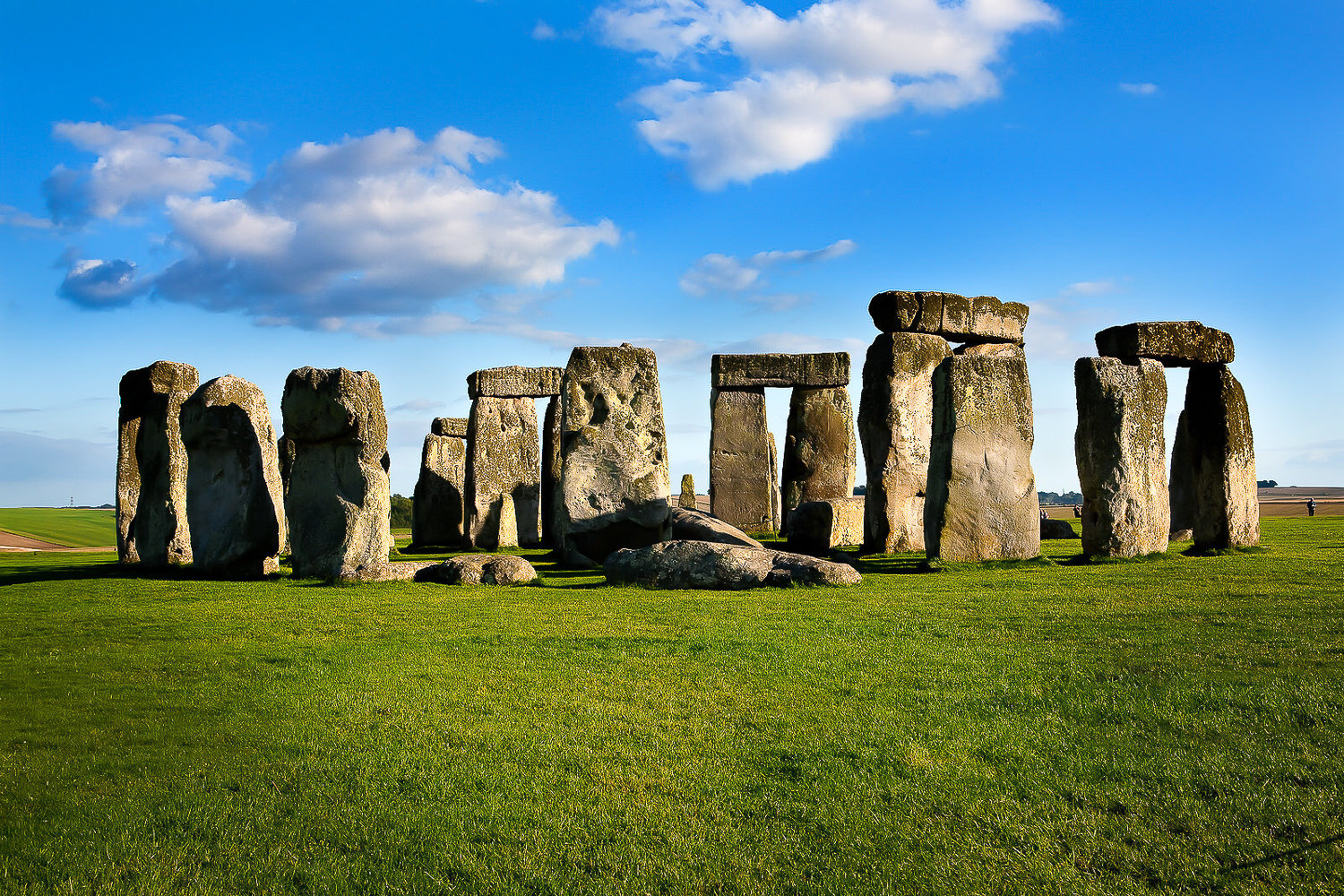
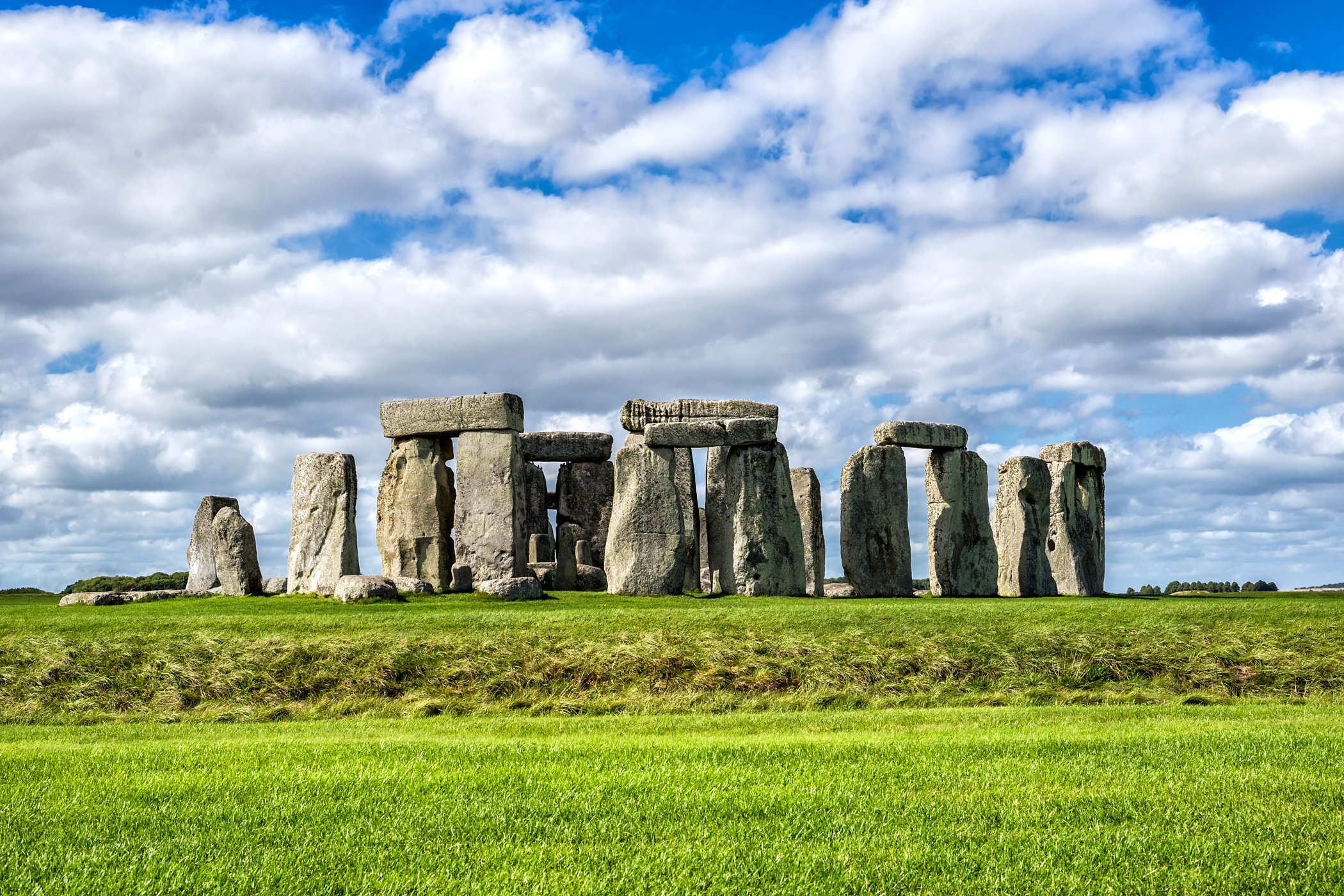
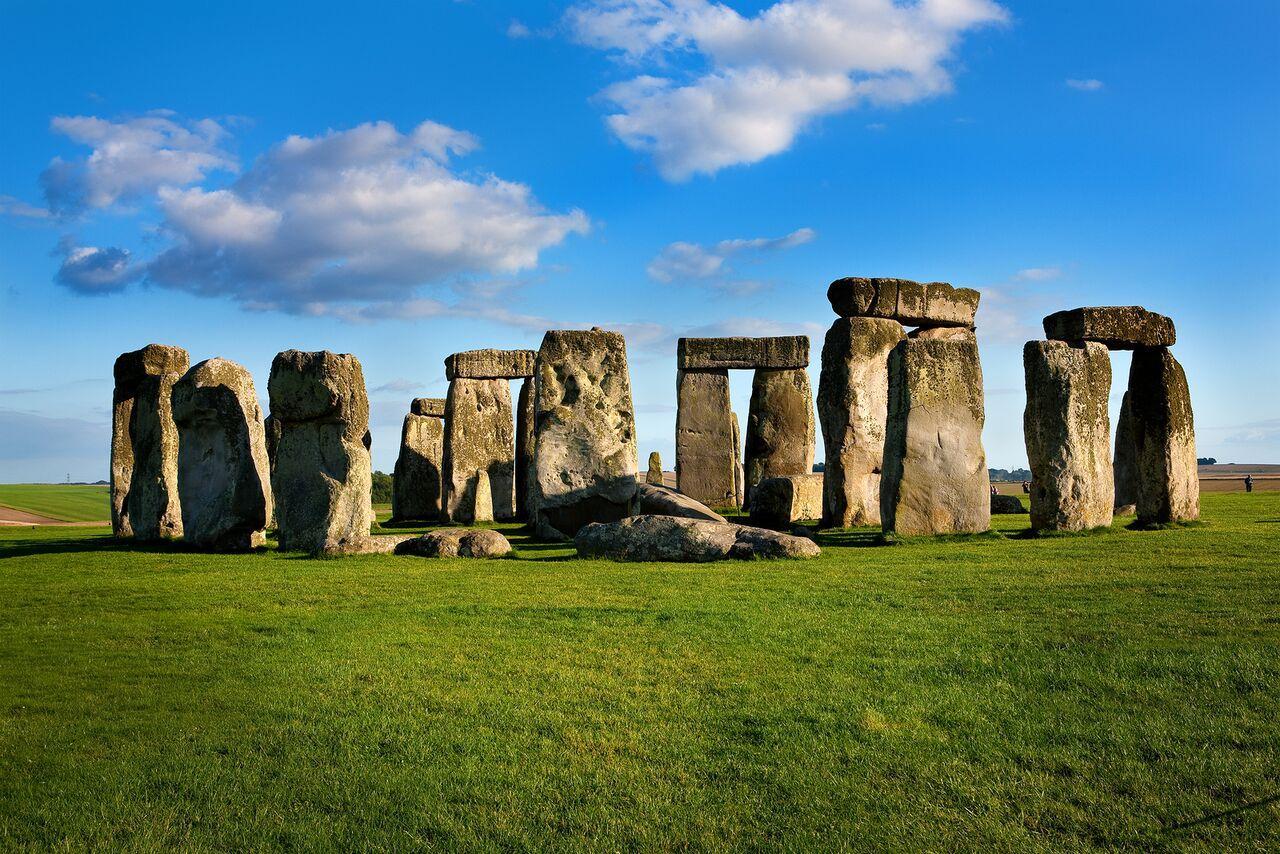
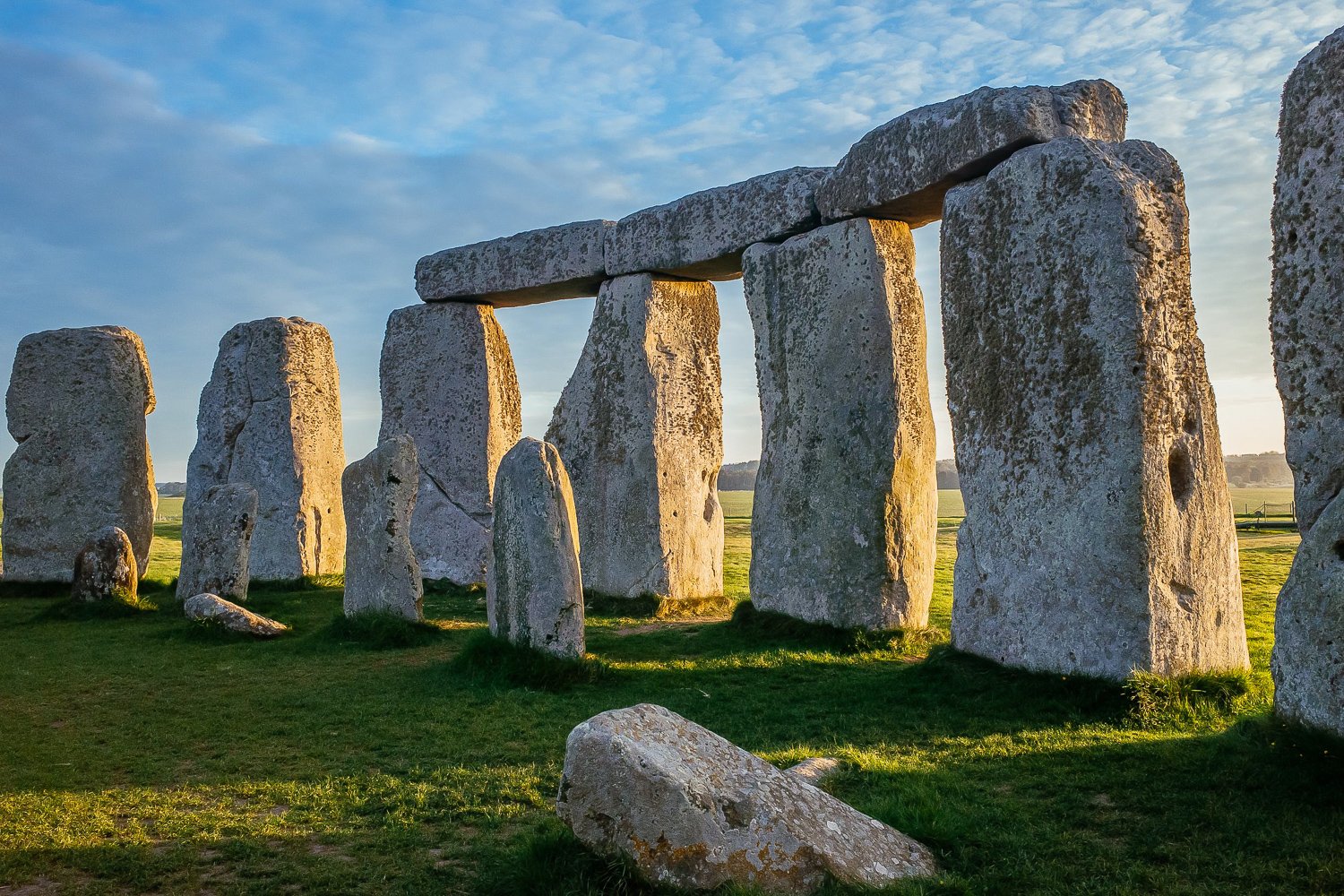
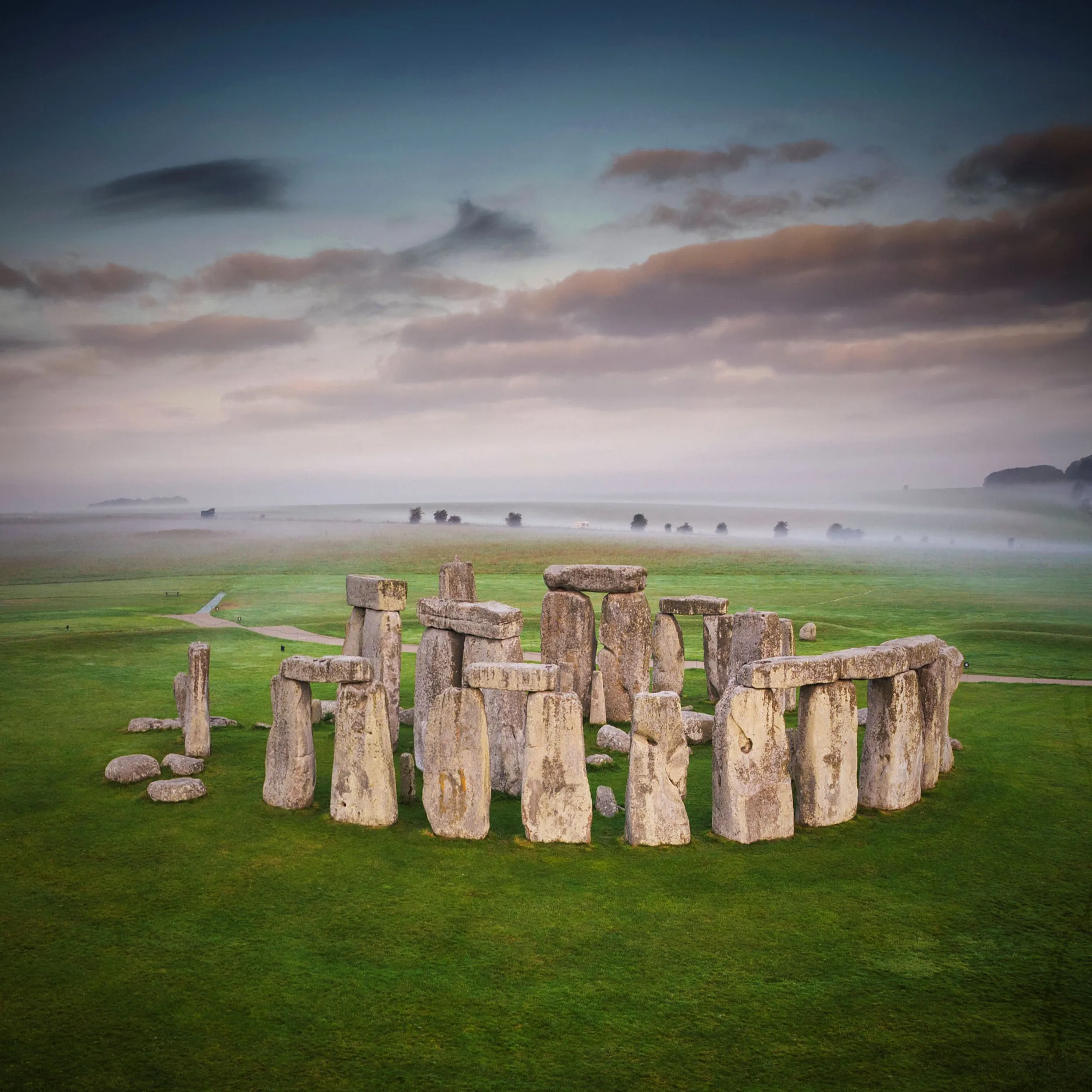
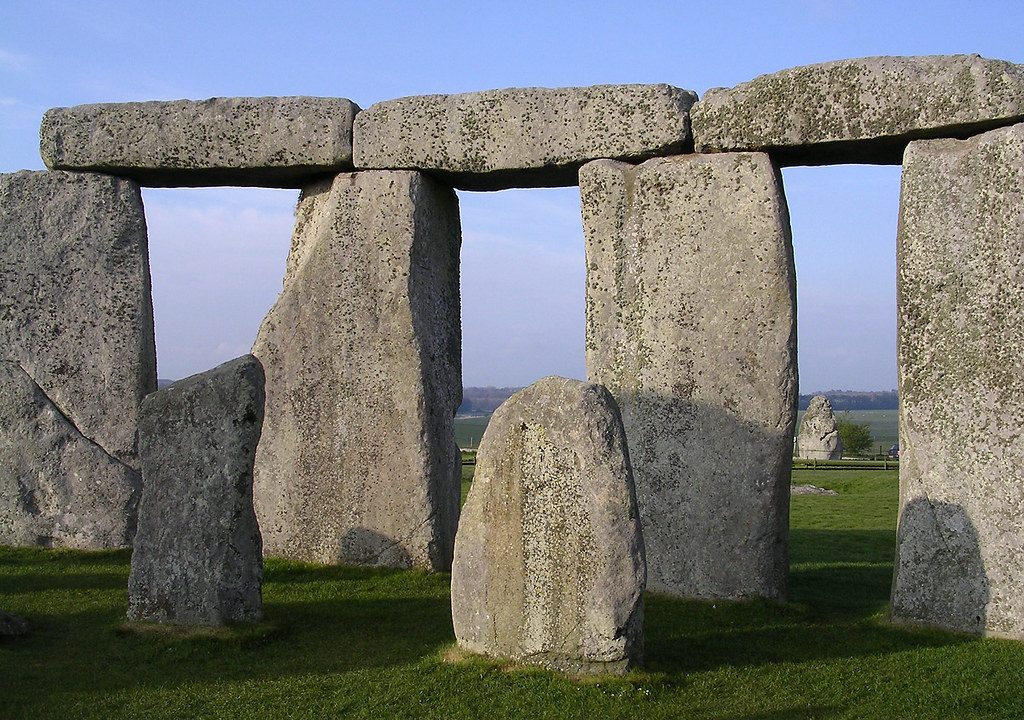
The massive sandstone blocks, some weighing up to 25 tons, form the outer circle of the monument.
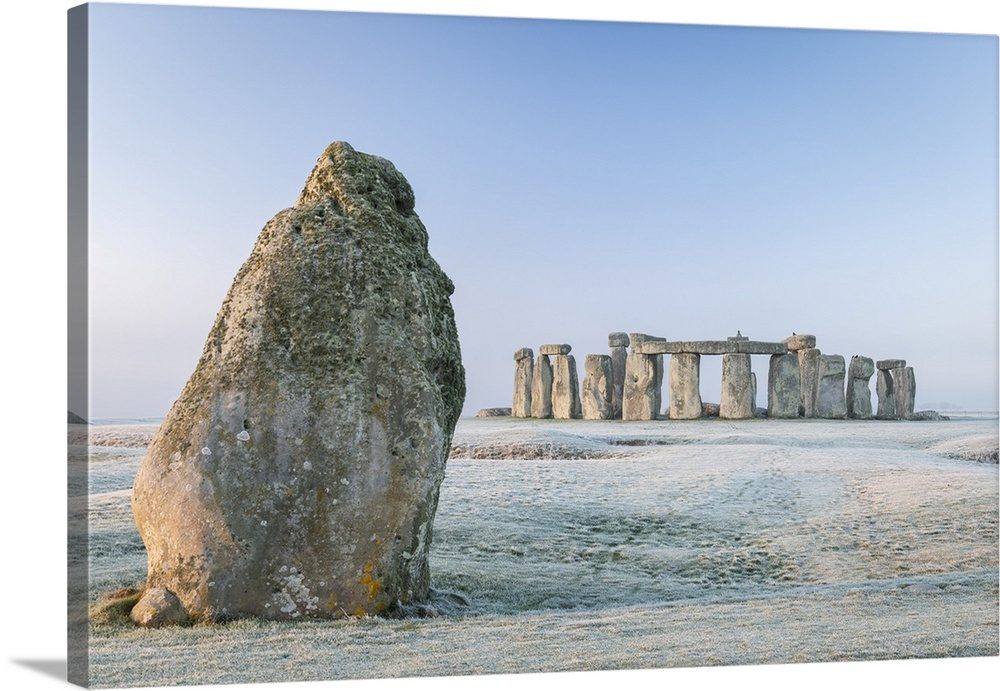
Located near the entrance, this stone aligns with the sunrise during the summer solstice.
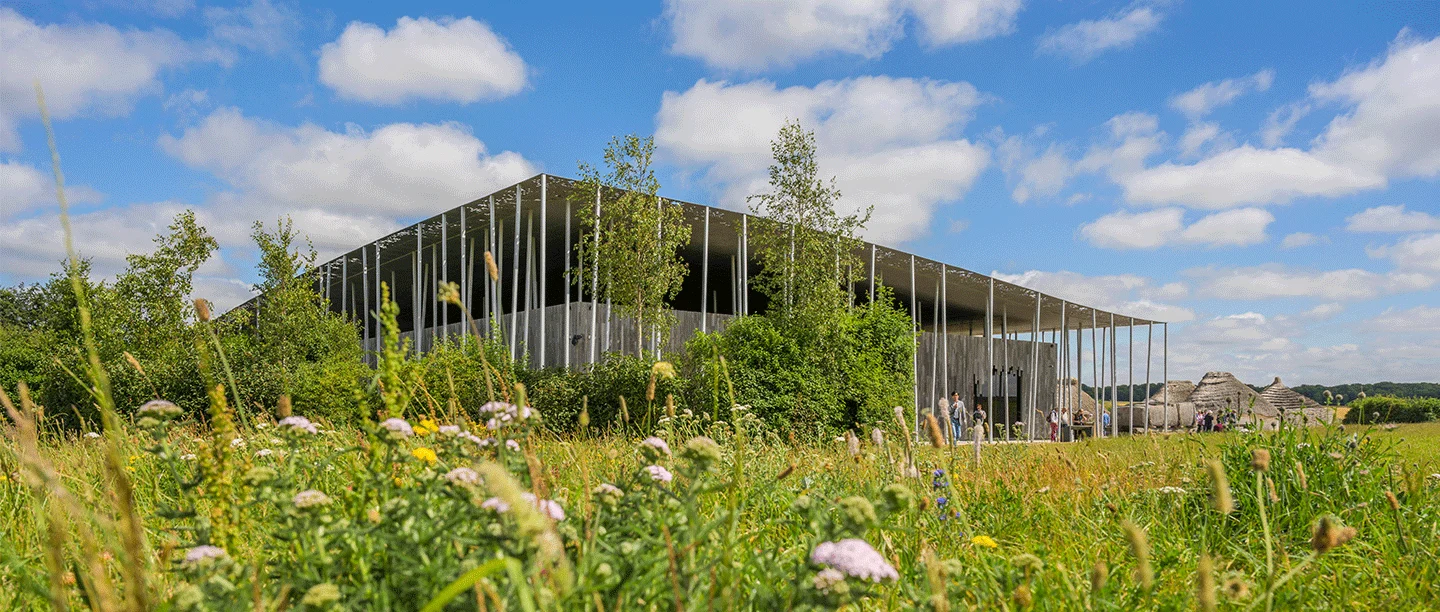
Reconstructed dwellings based on archaeological evidence found at nearby Durrington Walls.
Features over 250 prehistoric objects and a 360-degree virtual display of the stones.
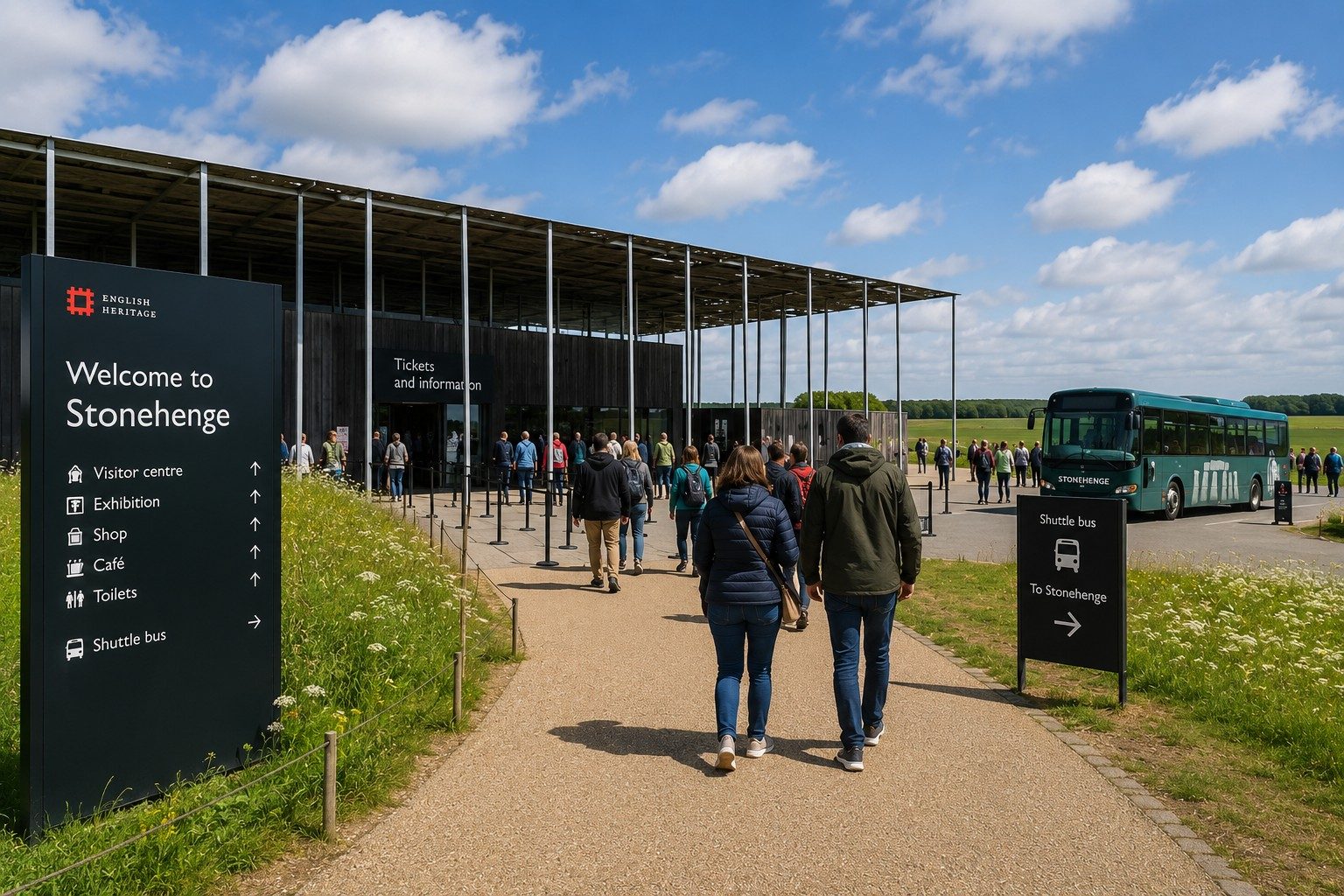
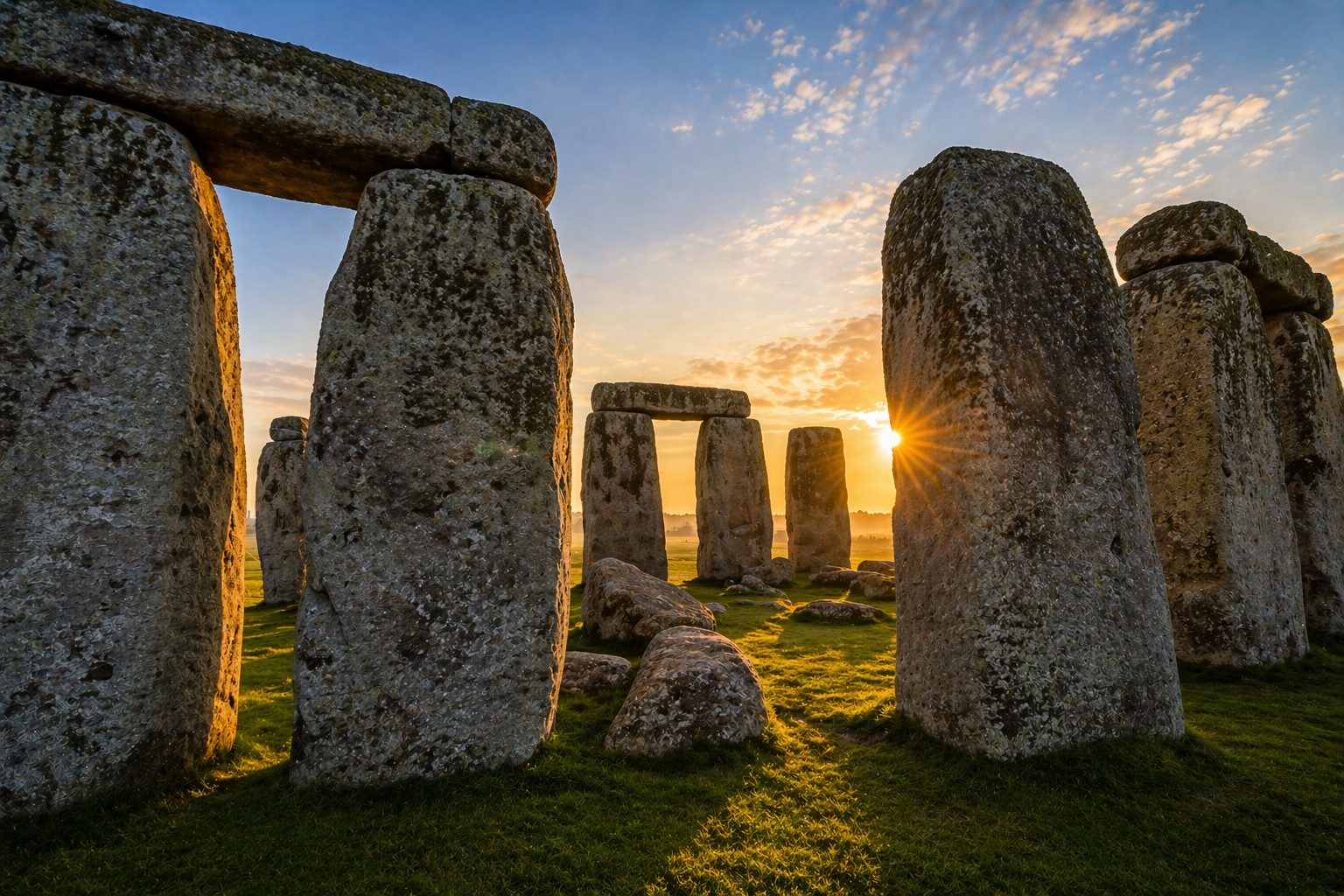
You leave London before sunrise, crossing the M3 as the first grey light touches the Wiltshire horizon. At Stonehenge, you join your small group and pass through the visitor centre while the main site remains closed to the public.
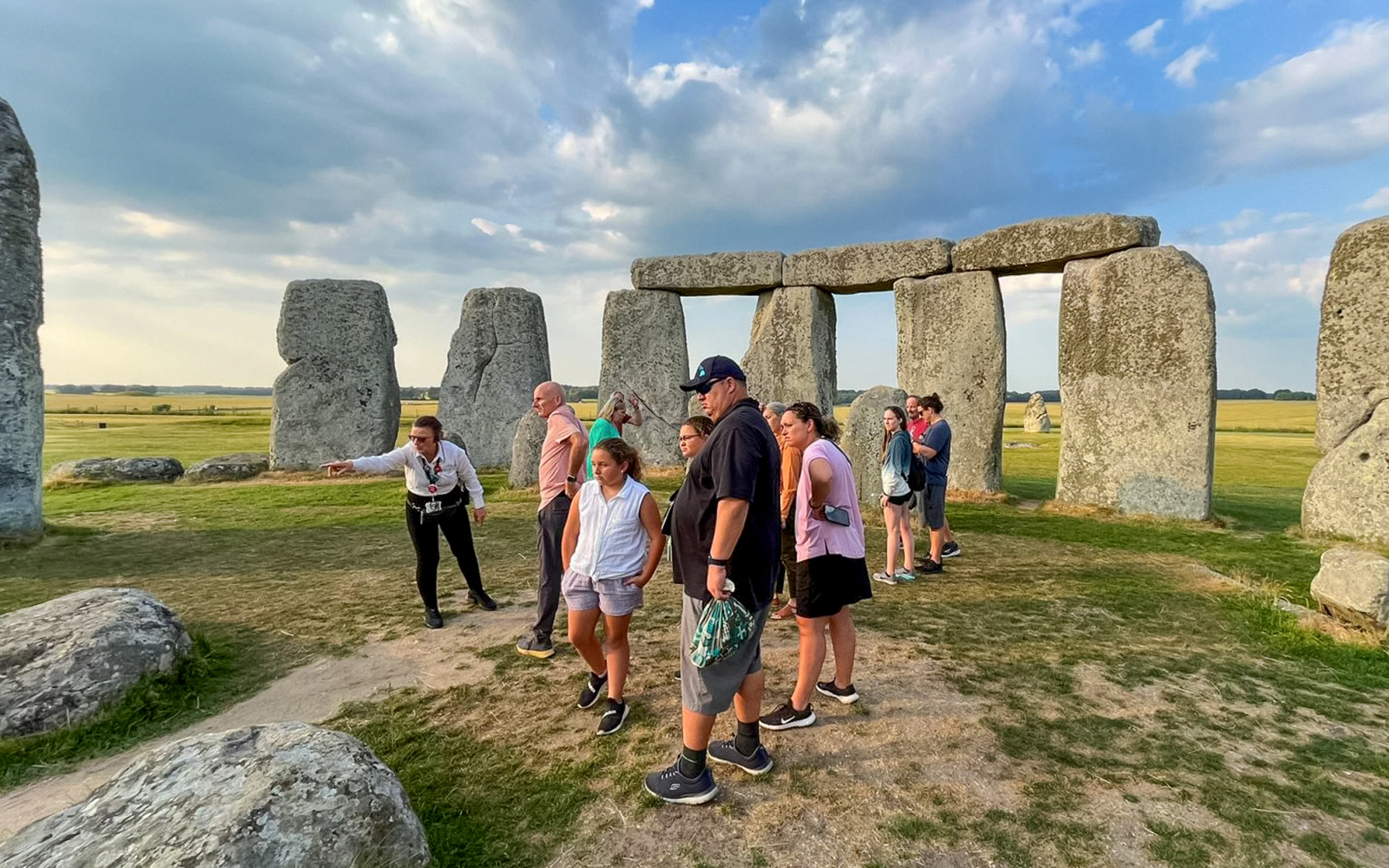
The walk across the grass takes five minutes, long enough for the scale of the monument to register against the empty plain.
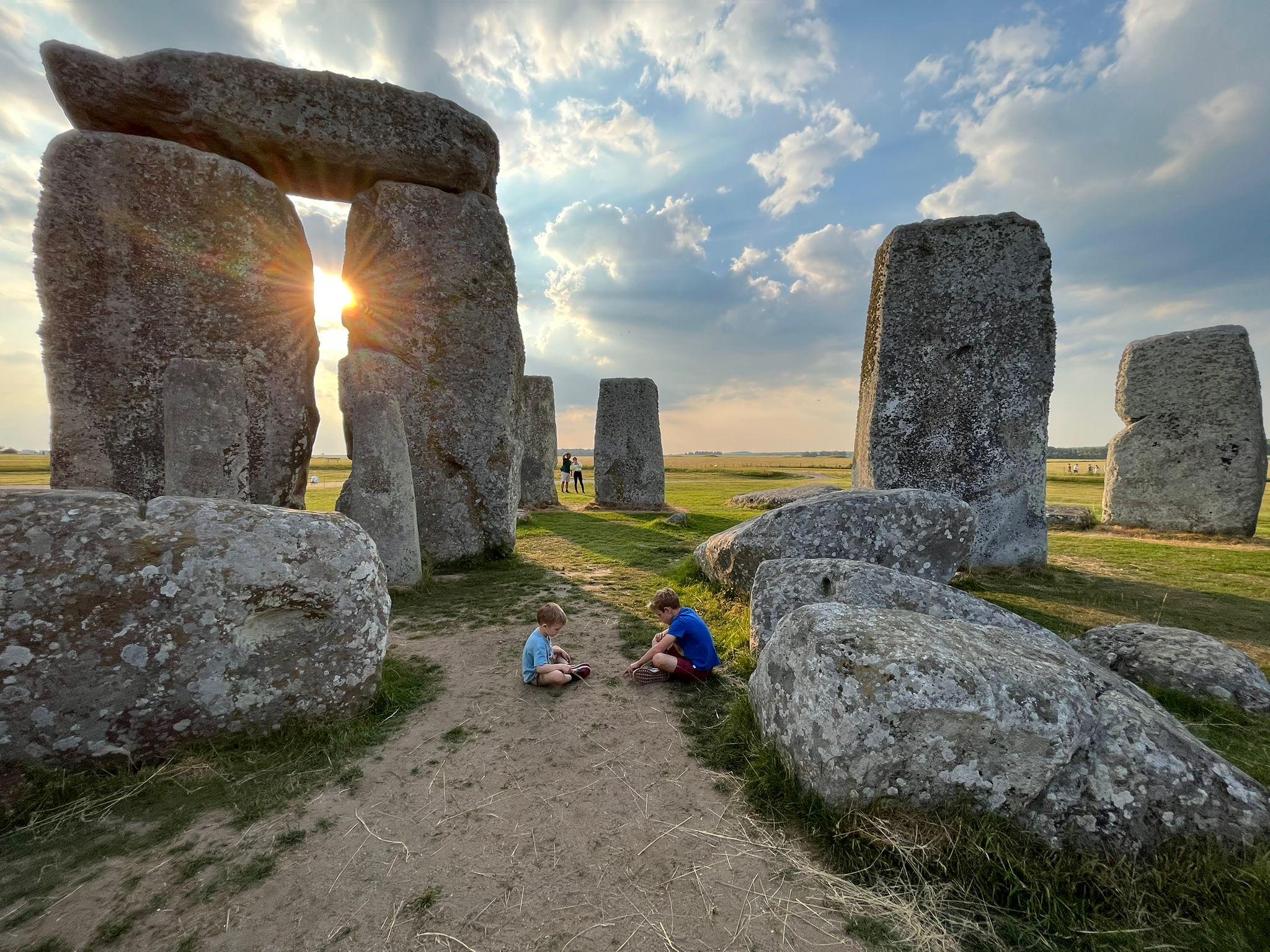
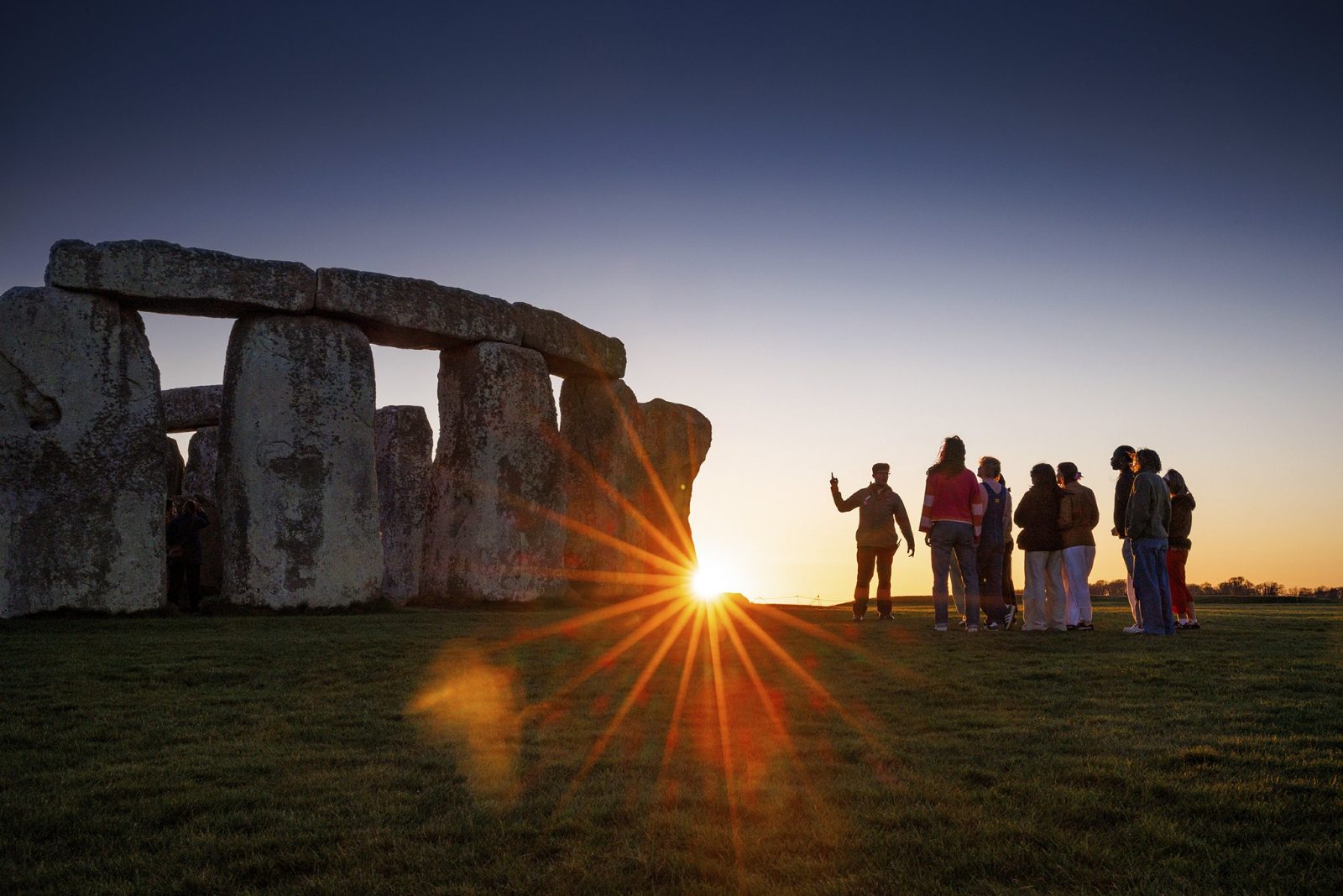
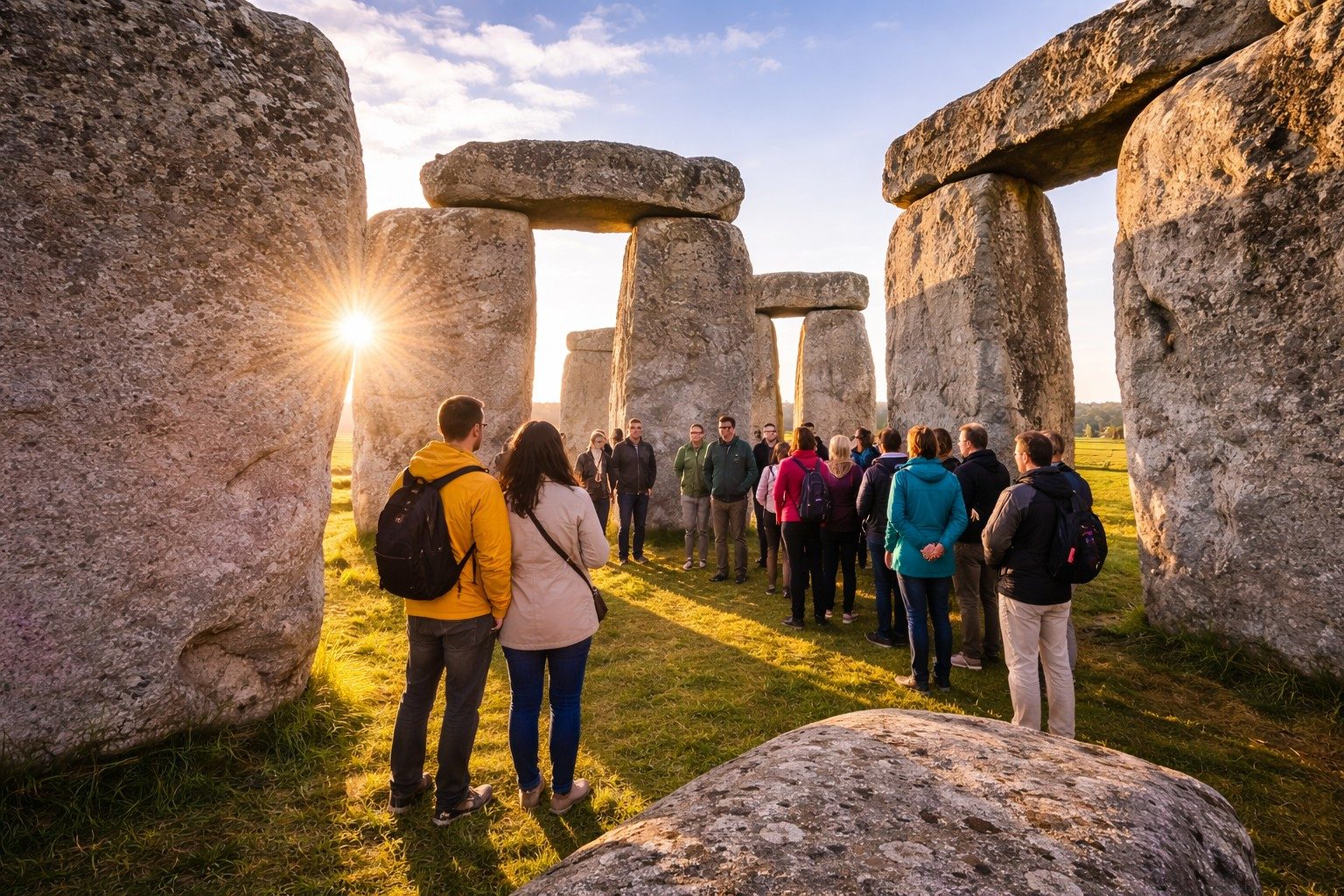
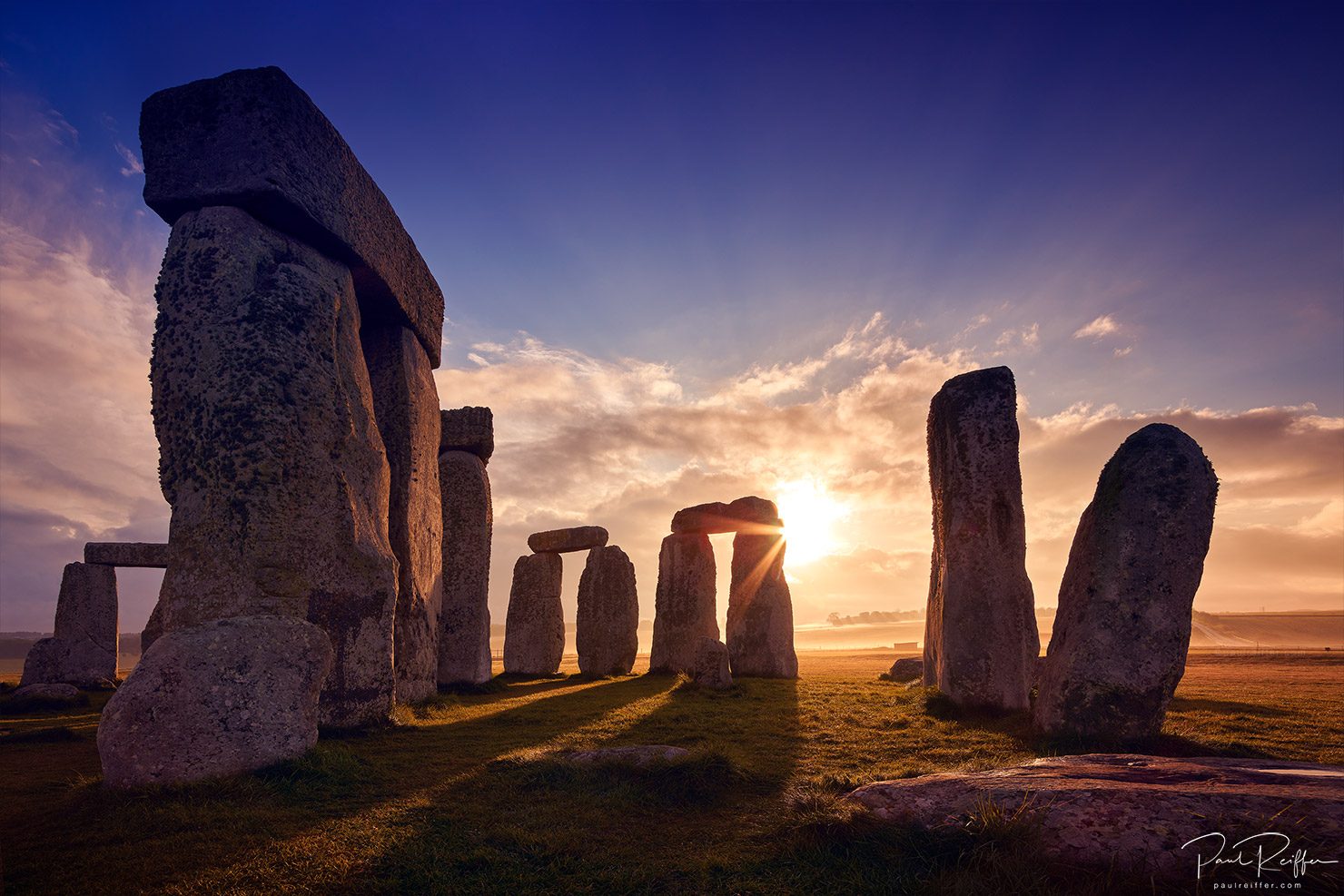
You step over the rope barrier and stand among the trilithons. The sarsen surfaces show tool marks where Bronze Age masons dressed the stone; lichen grows in the sheltered joints. Your guide points to the Heel Stone on the northeast horizon, aligned with the midsummer sunrise, and the arrangement of bluestones inside the horseshoe. You have thirty minutes before the first public visitors arrive.
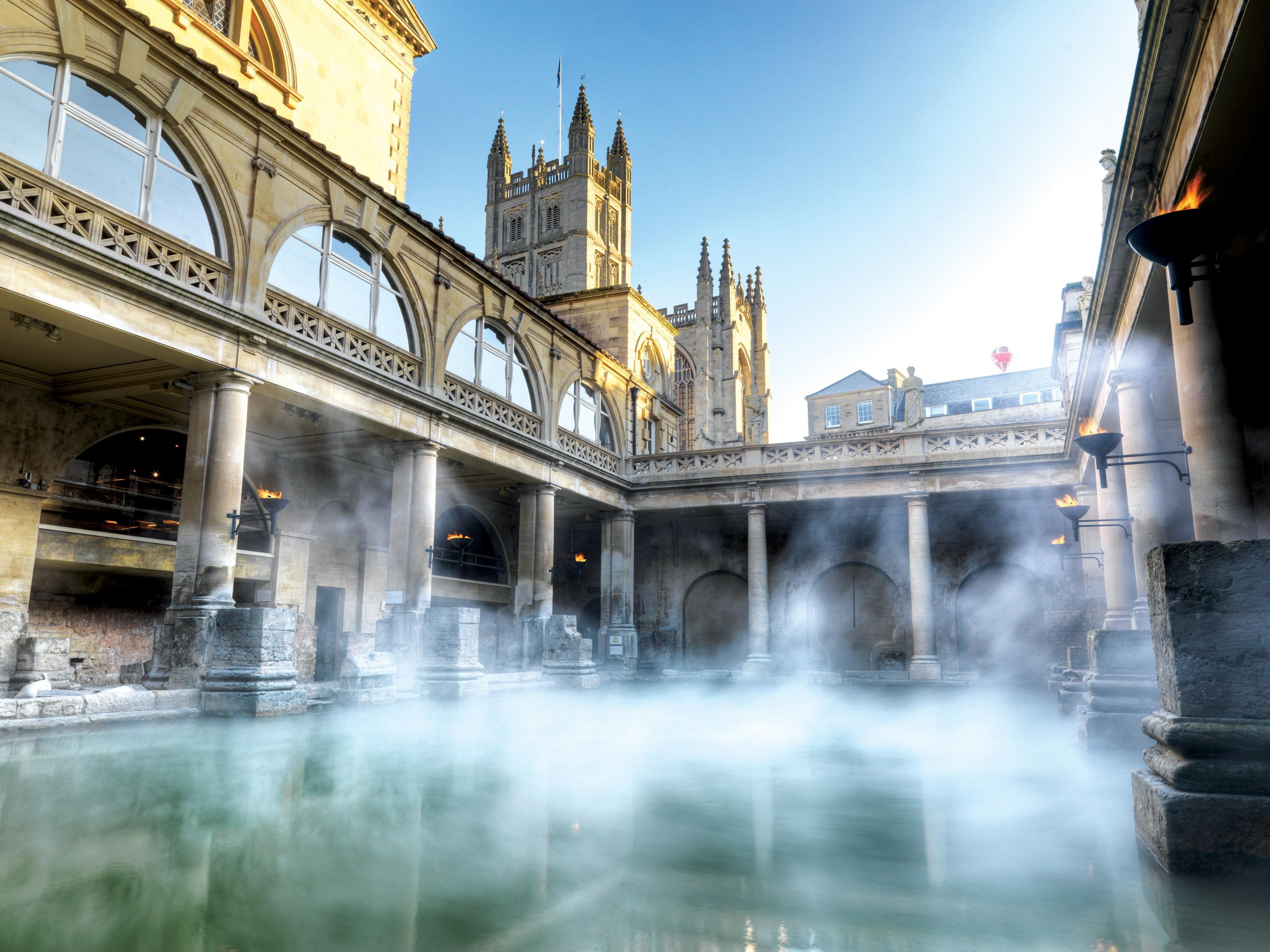
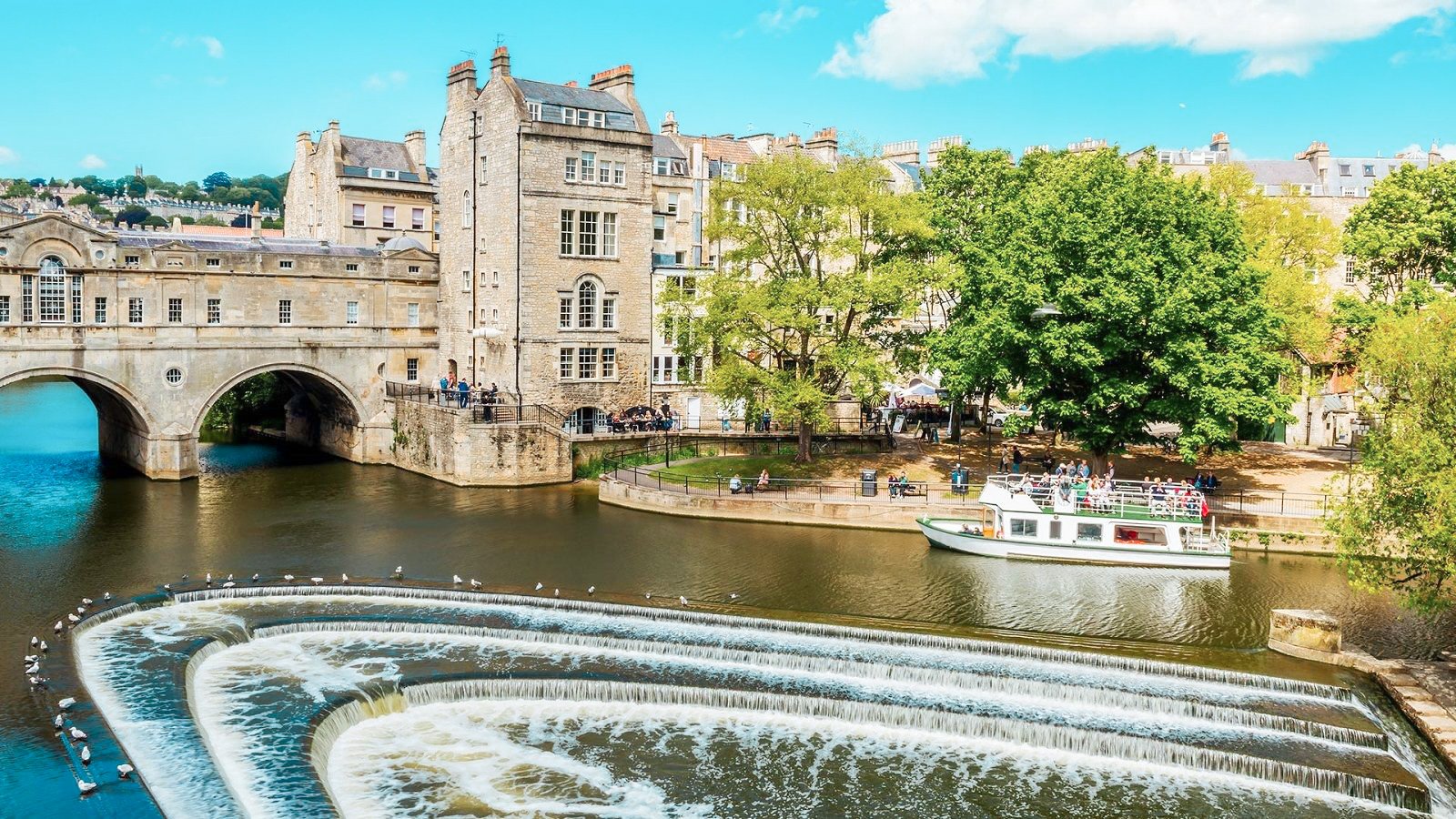
By mid-morning you reach Bath. The Roman Baths open at 09:30; you walk the terrace above the Great Bath and descend to the spring source, where water still bubbles at forty-six degrees. The museum corridors hold curse tablets and votive offerings thrown into the sacred pool two thousand years ago. Afterwards, you follow the guided walk through the Royal Crescent and the Circus, then take an hour to explore the Assembly Rooms or walk the Pulteney Bridge shops before the return journey.
All the details about your upcoming adventure in one place
Fewer than one percent of Stonehenge's annual visitors ever walk between the sarsen pillars. The inner circle remains cordoned behind rope barriers from 09:30 until dusk, preserving the grass and preventing erosion around stones that have stood for forty-five centuries.
Private access slots open only before public hours or after closing, when small groups of thirty or fewer step over the threshold and stand where Neolithic engineers once dragged twenty-five-tonne lintels into place.
The ritual landscape surrounding the monument extends across two square miles of chalk downland. Burial mounds, cursus ditches, and the timber circles of Durrington Walls form a ceremonial complex that archaeologists now understand as a pilgrimage destination for Bronze Age communities across the British Isles. Cremated remains found within the Aubrey Holes suggest Stonehenge served as a cemetery for elite families over five hundred years. The bluestones, quarried in the Preseli Hills of southwest Wales and transported two hundred miles, point to trade networks and spiritual connections that spanned the island long before written language.
Bath, thirty-five miles southeast, preserves a different layer of Britain's past. Roman engineers built the temple complex around the only naturally occurring hot springs in the country, dedicating the site to Sulis Minerva and constructing lead-lined pools that still channel forty-six-degree water from aquifers two miles below ground. The Georgian city that rose around the ruins reflects the eighteenth-century reinvention of Bath as a spa resort. John Wood the Elder laid out the Circus in perfect Palladian proportion; his son completed the Royal Crescent, thirty townhouses forming a sweeping arc above Victoria Park. The honey-coloured limestone, quarried from the surrounding hills, unifies Roman hypocaust chambers with Regency drawing rooms into a single architectural narrative.
Combining stonehenge inner circle and bath tour from london offerings allows travellers to traverse three millennia in a single day. Morning light at the henge gives way to the thermal waters and assembly rooms of a later empire, each site grounding abstract history in physical stone and engineered space.
Fewer than one percent of Stonehenge's annual visitors ever walk between the sarsen pillars.
Dress for the outdoors and the prevailing weather conditions. Attire must be inoffensive, without political slogans or indecent images.
Expect security searches upon entry. Only small bags (approximately 30cm x 25cm x 15cm) are permitted on-site.
Hand-held cameras and phones are permitted for personal use. Tripods are only allowed with specific prior written consent and must be used with protective matting.
Family tickets are available, and the site is suitable for children. The shuttle bus provides easy transit for families with younger children.
The visitor center and exhibition are fully accessible. A shuttle service operates between the center and the stones, which is included with your standard 32 GBP entry.
Food and drink are available at the on-site cafe. Consumption of food and drink is restricted to designated areas, and littering is strictly prohibited.
Opening Hours
09:30–17:00
Address
Salisbury, Wiltshire, SP4 7DE
Site Access
Fully accessible visitor center and shuttle bus
Best Window
09:30–11:00
Security
Bag checks in operation
Location
UNESCO World Heritage Site
Public transport · 2.5 hours · Varies by operator
Train from London to Salisbury, then catch the hop-on hop-off tour bus.
Car · 2 hours · 4 GBP for non-members
Signposted from A303, off A360; parking is available at SP4 7DE.
Tickets are non-refundable unless English Heritage is unable to provide entry due to uncontrollable circumstances. Amendments to bookings must be made at least 24 hours in advance via the online portal.
Recommended time
2.5-3 hours
A well-paced stonehenge inner circle and bath tour from london typically requires at least three hours on-site to navigate the shuttle, Neolithic Houses, and the megalithic monument itself. Choosing an early stonehenge inner circle and bath tour from london tour helps avoid the peak congestion often seen near the visitor center after midday. When securing your stonehenge inner circle and bath tour from london tickets, plan for transit from the car park to the stones, as this buffer ensures a seamless exploration of these prehistoric landmarks without rushing your walk around the Neolithic site.
Crowd levels through the day
Weather · crowds · average price — dots go green to amber to red as each metric rises.
Mild weather and moderate crowds make for a pleasant visit.
Longer days but higher visitor numbers; arrive by 09:30.
Cooler temperatures with beautiful foliage across Salisbury Plain.
Quieter period; dress warmly as the site is fully exposed.
Secure your 32 GBP tickets online to ensure your preferred time slot.
The shuttle bus saves a 2km walk to the stones.
Ensure you arrive at least two hours before the 17:00 closing time.
If visiting multiple times, English Heritage membership provides free entry and parking.
Plan your arrival between 09:30 and 11:00 to dodge the largest tour crowds.
The Stonehenge landscape began as a simple earthwork enclosure around 3000 BCE, when Neolithic communities dug a circular ditch and raised an internal bank. Archaeologists working in the 1920s identified fifty-six pits arranged inside this bank, now called the Aubrey Holes after the seventeenth-century antiquary John Aubrey who first mapped the site. Cremated human remains recovered from these pits indicate the monument served as a burial ground for several centuries before any stones arrived. The timber phase commenced around 2600 BCE, when wooden posts were erected within the earthwork perimeter, forming alignments that later excavations revealed through post-hole patterns in the chalk bedrock. The transition to stone architecture occurred in stages between 2500 and 2200 BCE, an era that defines the stonehenge inner circle and bath tour from london as we recognize it today. Bluestones quarried from the Preseli Hills in Wales—transported over two hundred miles by a combination of water and overland routes—were erected first, creating an inner horseshoe arrangement. Within a generation, sarsen stones weighing up to twenty-five tons each were dragged from the Marlborough Downs and shaped using hammer stones to form the outer circle and trilithon horseshoe. Archaeological surveys conducted in the 1950s confirmed that the site's axis aligns with the midsummer sunrise and midwinter sunset, reinforcing theories that Stonehenge functioned as a ceremonial calendar linked to solar and lunar cycles. By the Bronze Age, around 1500 BCE, the monument underwent its final reconfiguration when bluestones were rearranged into the oval pattern visible today. Medieval chronicles mistakenly attributed the structure to Merlin or invading Danes, while seventeenth-century scholars debated whether Romans or Druids built it. Modern archaeology, anchored by radiocarbon dating and geophysical mapping, has clarified the construction sequence and ruled out later Celtic involvement. Visitors exploring stonehenge inner circle and bath tour from london tours encounter a landscape shaped across fifteen centuries, where sarsen uprights and lintels—joined by mortise-and-tenon carpentry—testify to Neolithic engineering that predates both pyramids and written language in Britain.
Neolithic groups excavate the circular ditch and bank, establishing the monument's first boundary.
Timber posts are erected within the earthwork, forming an early alignment structure.
Bluestones from Wales are transported and arranged in the inner horseshoe.
Sarsen stones from the Marlborough Downs are shaped and raised to form the outer circle and trilithons.
Bluestones are reconfigured into their final oval pattern during the Bronze Age.
John Aubrey conducts the first systematic survey and identifies the ring of pits now named after him.
Archaeological radiocarbon dating confirms the Neolithic construction timeline and rules out later Celtic builders.
Position yourself along the pathway facing the Heel Stone to capture the megalith framed by the Wiltshire sky. This angle provides a clean perspective of the ancient sandstone block against the grassy landscape for those on a stonehenge inner circle and bath tour from london.
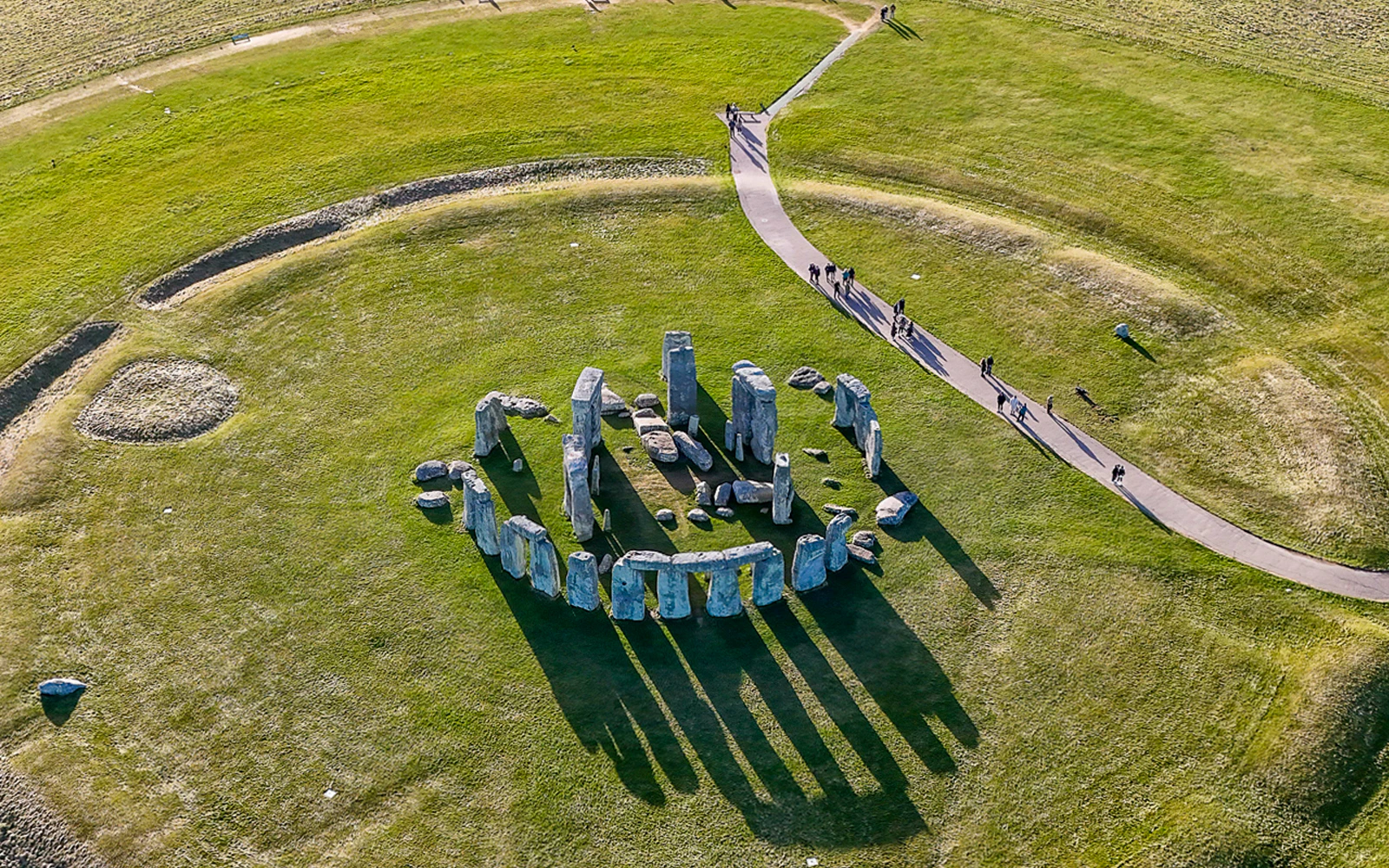
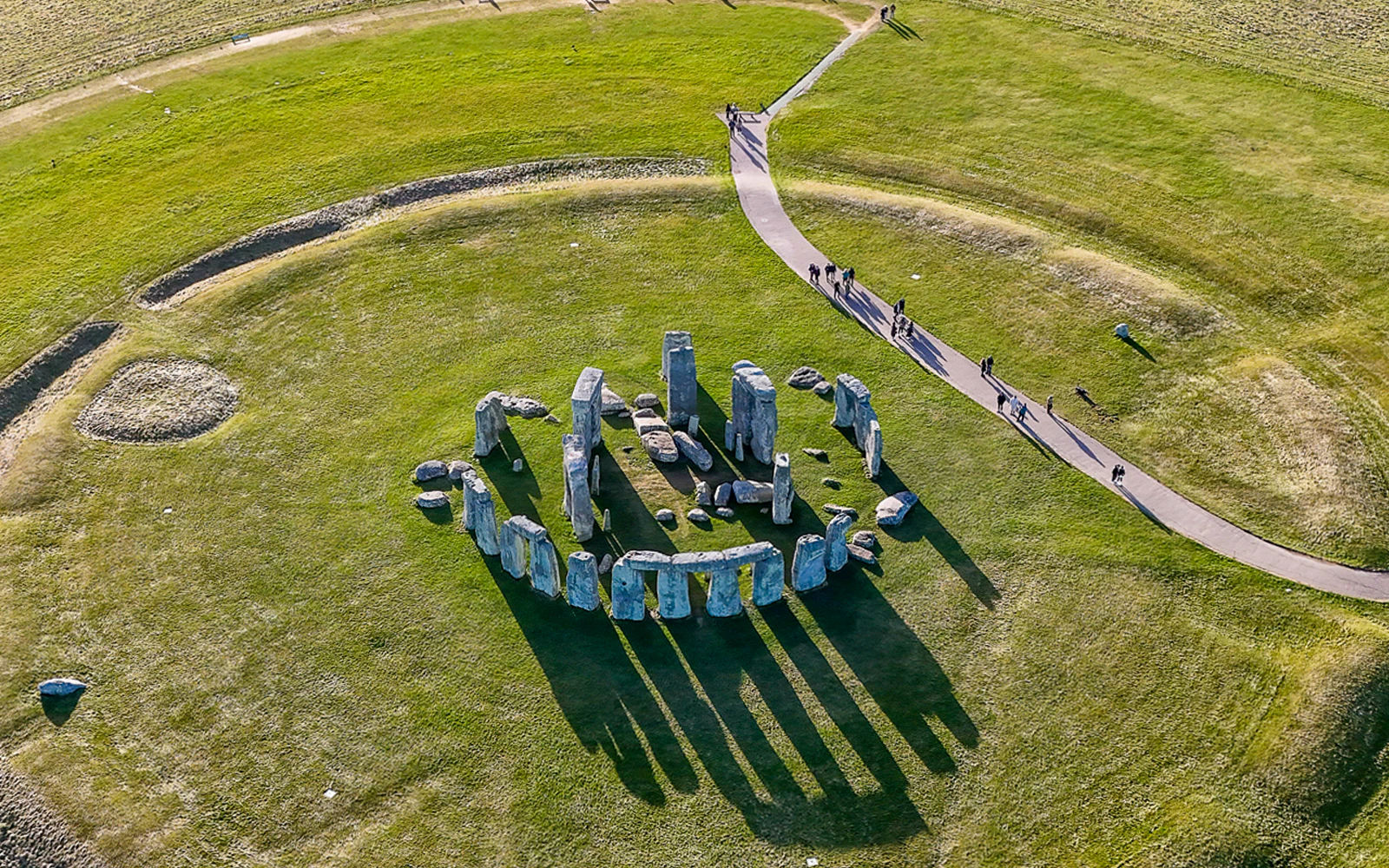
Walk along the northern side of the perimeter path to align the sarsen stones in their iconic circular formation. This vantage point allows for layering the lintels and uprights effectively.
Access the interior space to photograph the trilithons from a low angle, emphasizing the sheer scale of the Neolithic monument. This is a primary benefit for travelers booking stonehenge inner circle and bath tour from london tours.
Stand on the ancient processional route leading toward the site to frame the stones at the end of the grassy corridor. This historic path offers a symmetrical composition of the landmark.
Visiting with children is manageable at this world-famous landmark, provided you plan for travel time and use the visitor center amenities. Exploring the area is an accessible experience for families choosing a stonehenge inner circle and bath tour from london.
The site is stroller friendly, and you can ride the visitor shuttle bus to the monument without collapsing your pushchair.
Baby-change facilities, microwaves for warming milk, and highchairs are available at the visitor center, which acts as the main hub for your stonehenge inner circle and bath tour from london tickets.
To avoid mid-day crowds and ensure a smooth experience for children, aim for the recommended 09:30–11:00 arrival window.
Pack your own snacks and drinks before boarding the shuttle, as there are no food or restroom facilities once you arrive at the stonehenge inner circle and bath tour from london tour site.
While the visitor center is fully accessible, the path around the monument is a mix of concrete and grass, so wear comfortable footwear for your family-friendly land landmarks visit.
Visitors planning a stonehenge inner circle and bath tour from london will find limited on-site refreshments, making the nearby town of Amesbury a practical choice for a sit-down meal. Whether seeking a quick coffee before your exclusive prehistoric monument access or a post-excursion lunch, several options remain accessible.
Located at the visitor center, this spot offers light snacks, sandwiches, and hot beverages. It serves as a convenient stop if you book stonehenge inner circle and bath tour from london tickets that include early morning entry.
A historic pub in Amesbury providing hearty British meals and local ales. It is a favored stop for those completing their stonehenge inner circle and bath tour from london and heading back toward the capital.
This venue features a comprehensive menu ranging from burgers to seasonal dishes. It provides a relaxed atmosphere for groups finishing a stonehenge inner circle and bath tour from london tour.
For those extending their itinerary into Salisbury, this location offers refined dining options. It is well-suited for travelers reflecting on their stonehenge inner circle and bath tour from london tours in a classic setting.
Everything you need to know for your journey
Standard general admission does not include inner circle access; this requires a specific Stone Circle Experience booking.
Stonehenge is open daily from 09:30–17:00.
Yes, the site is family-friendly and accessible for children.
No, only small bags up to 30cm x 25cm x 15cm are permitted on-site.
Personal photography is allowed, but tripods require prior written consent.
General admission is 32 GBP for standard adults.
Most visitors take the train to Salisbury and then a bus or taxi to the site.
Food and drink are only permitted in designated areas and are available at the visitor center.
Bookings should be amended or cancelled at least 24 hours in advance via the online portal.
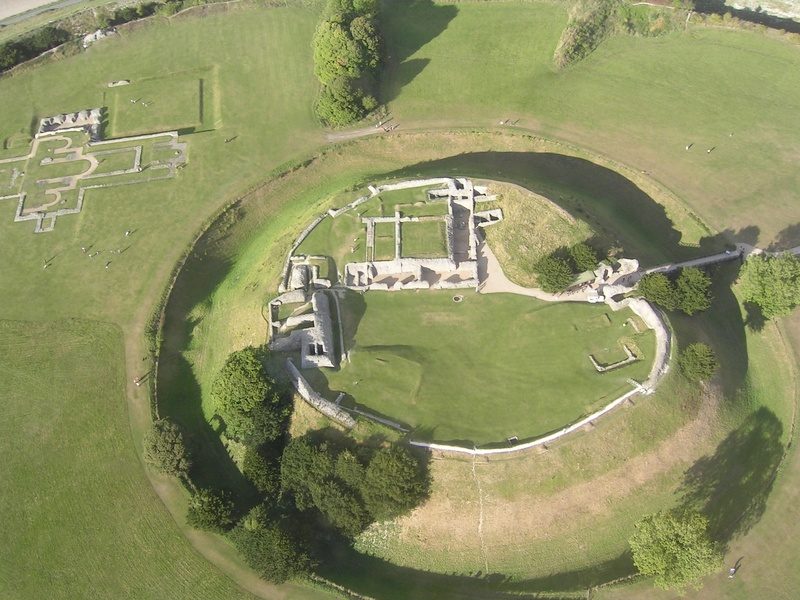
Iron age hill fort and ruins of a cathedral.
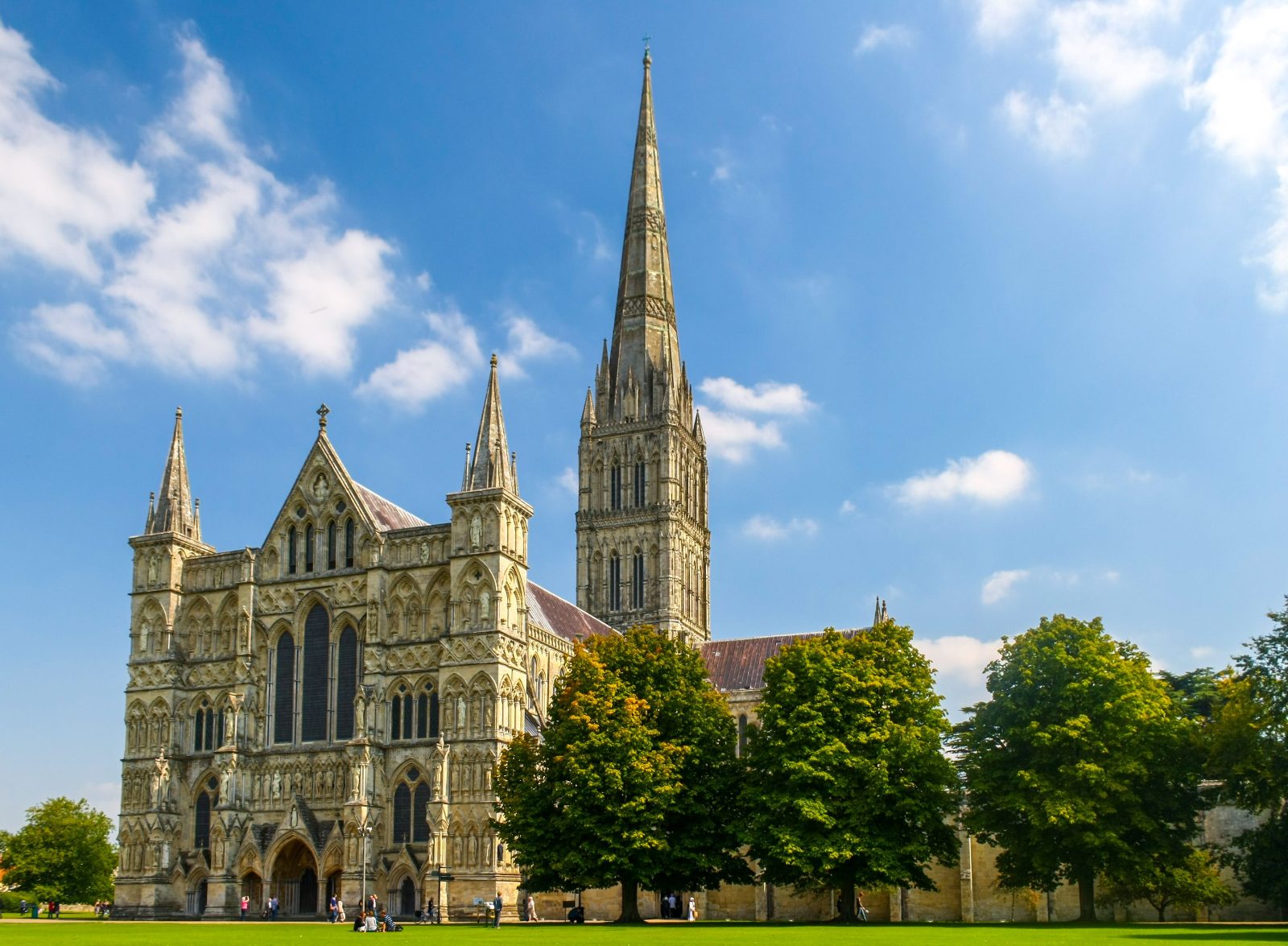
Famous for its 123-meter spire and Magna Carta.
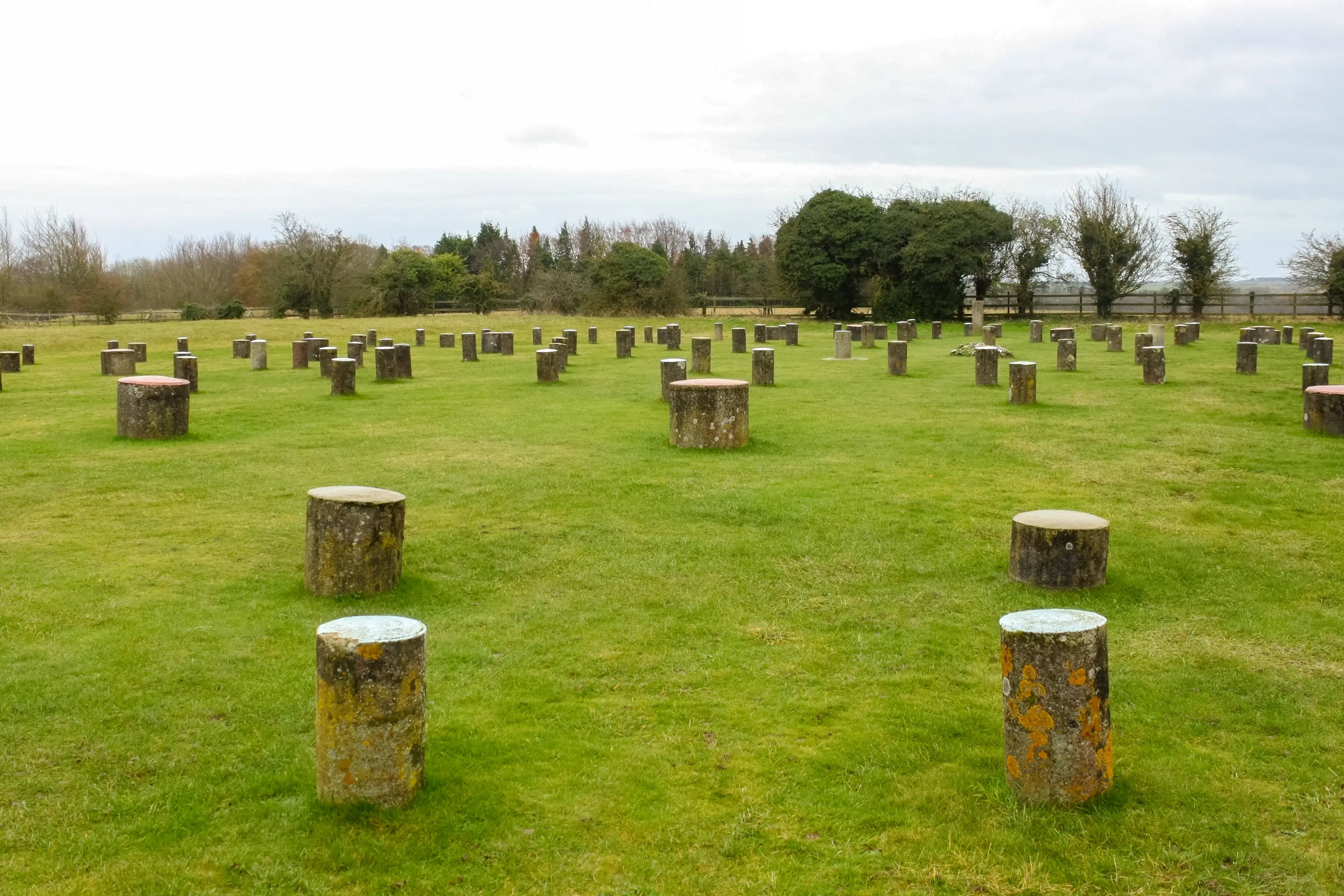
Neolithic timber circle near the main monument.
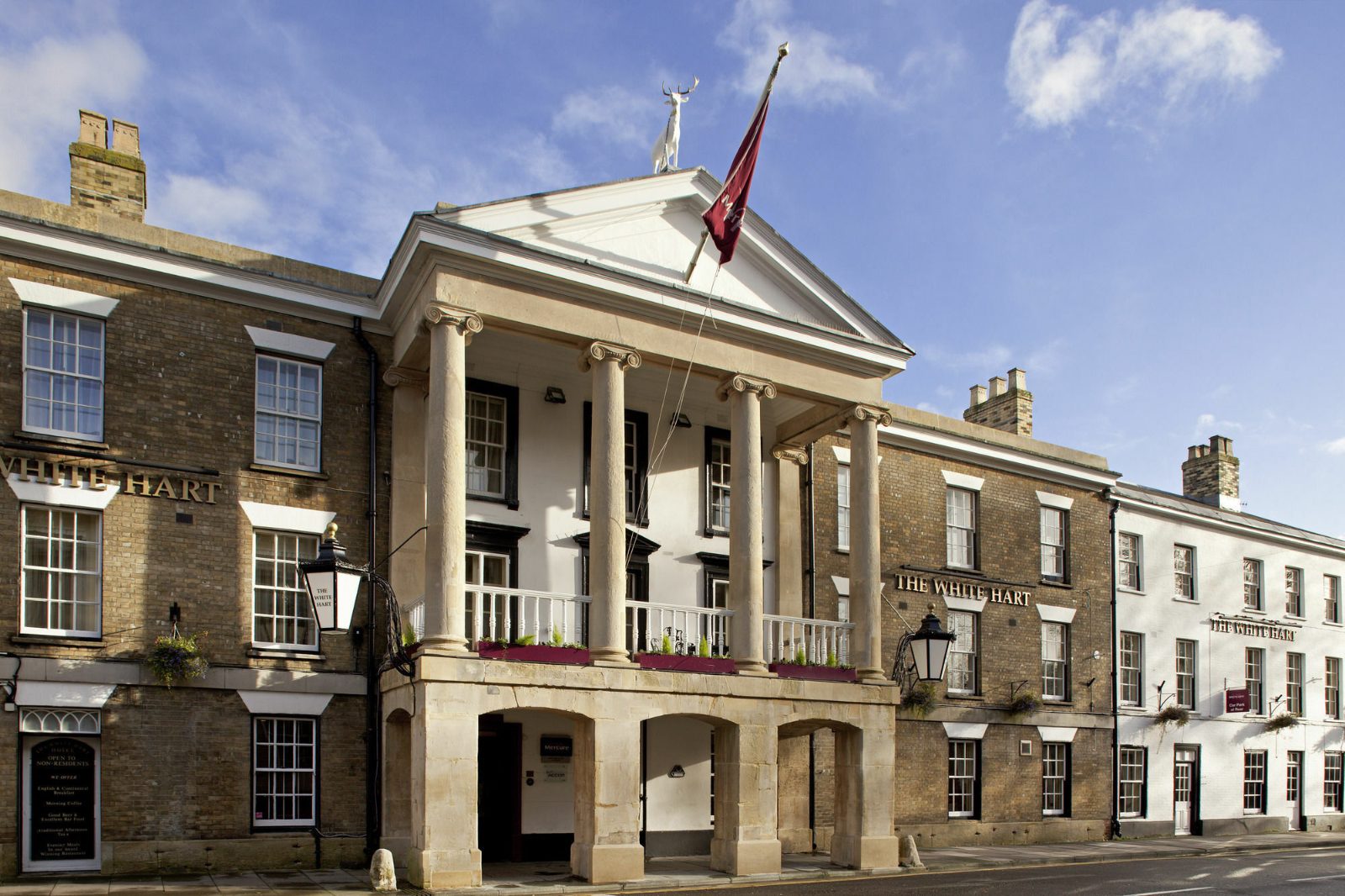
Wide selection of historic inns.
Close proximity to the site entrance.
Join thousands of happy travelers who have discovered this incredible experience
Book Your Experience Now