6 hr 30 min
Stonehenge Morning Tour from London with Priority Access
- Expert local guide
- Small group
- Skip-the-line access
- Free cancellation
Stonehenge Inner Circle Sunset Tour from London — Exclusive Stone Circle Access
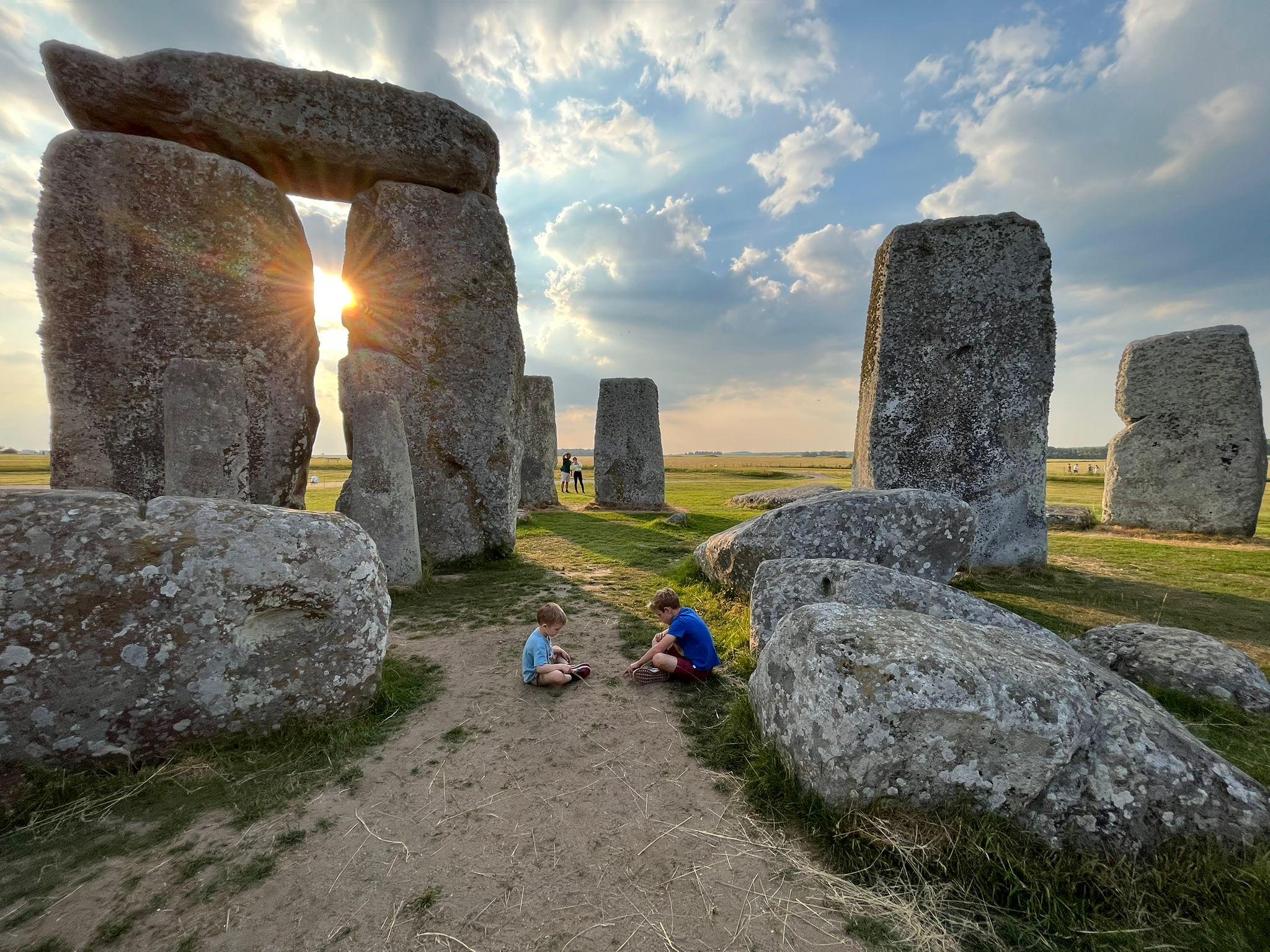
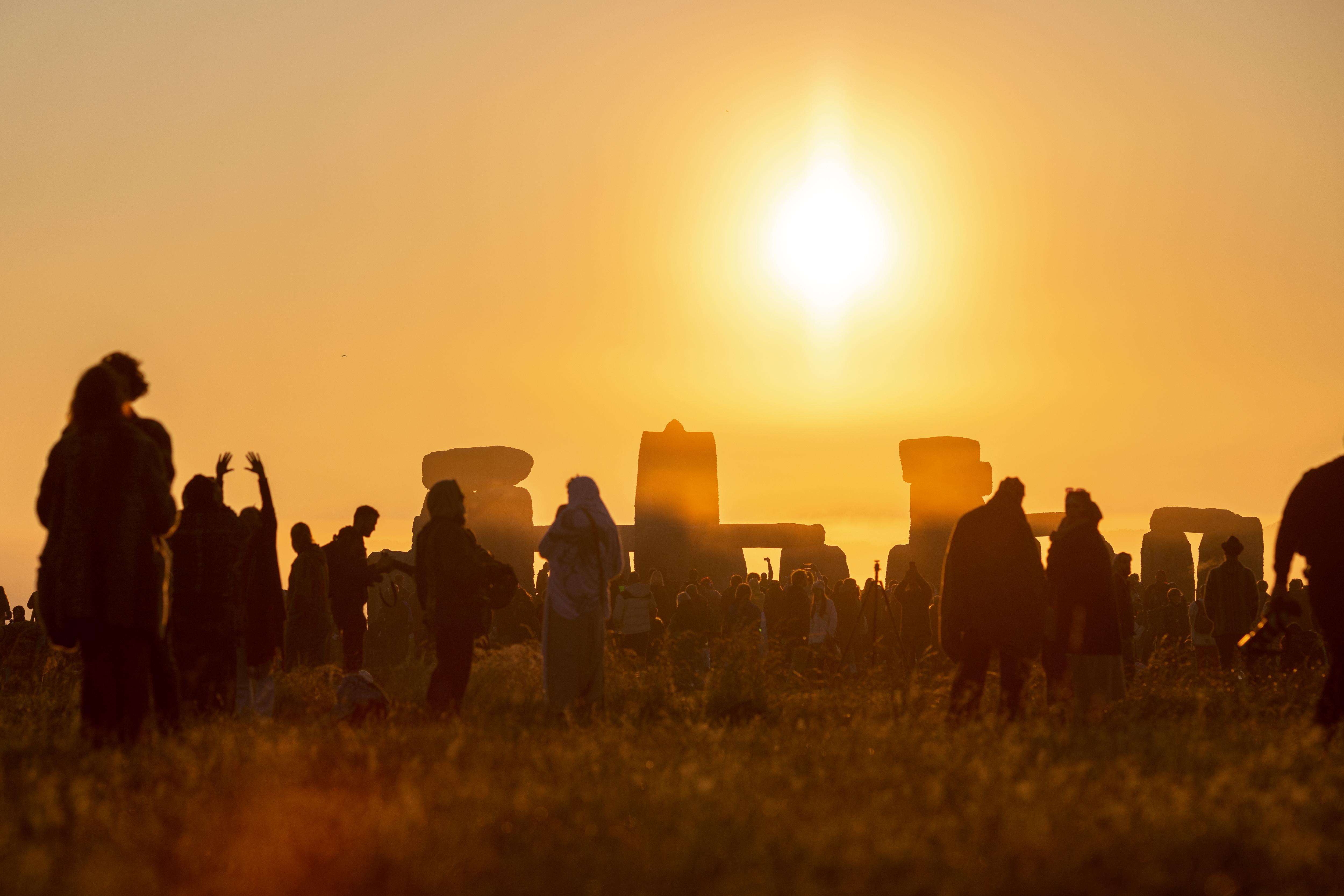
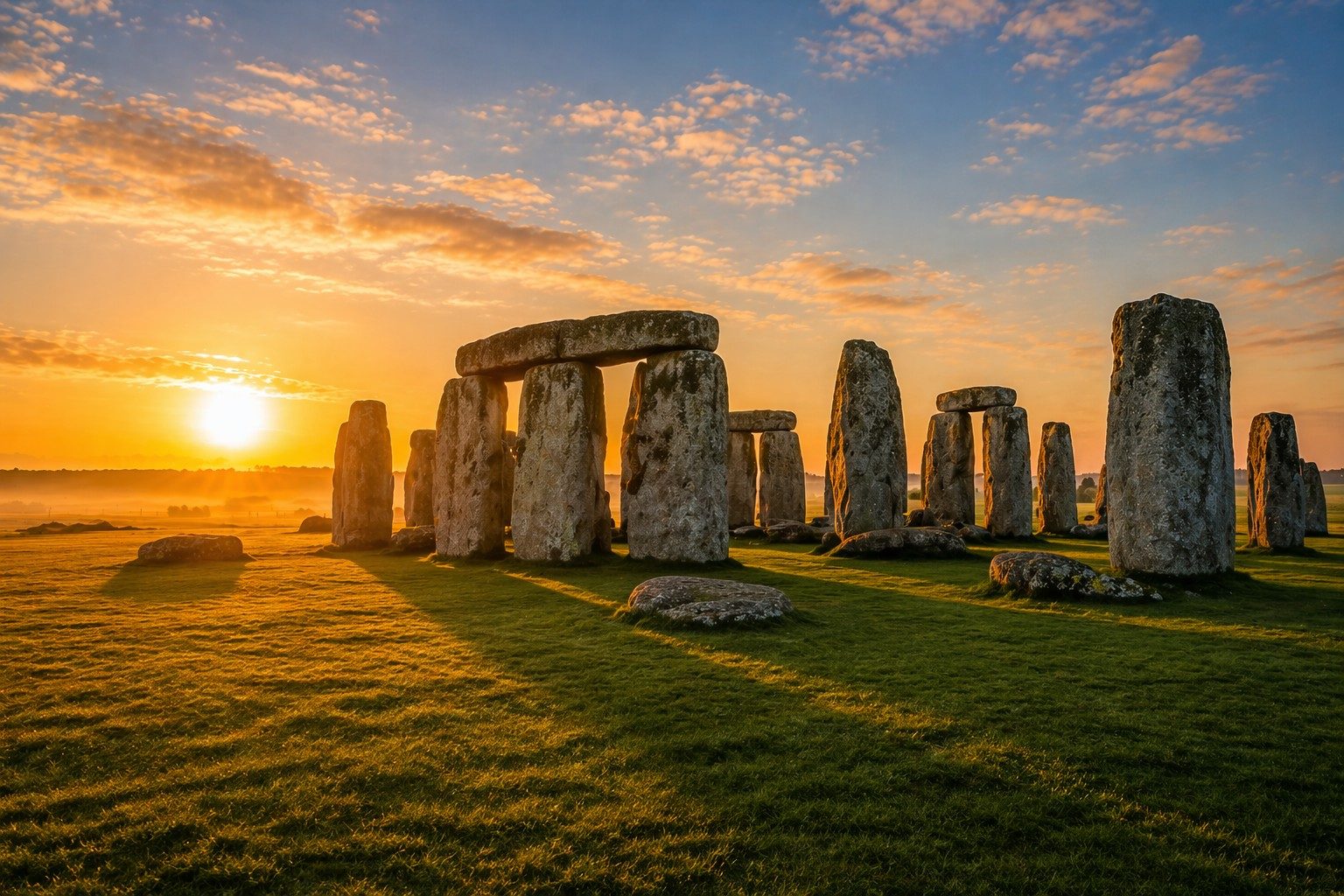
Step inside the sacred ring at golden hour, where shadows lengthen across 5,000 years.
Compare fares, pick the fit — all bookings are mobile-voucher and eligible for free cancellation where shown.
6 hr 30 min
11 hr
11 hr
Selecting the right stonehenge inner circle sunset tour from london requires balancing convenience with the level of exclusivity desired for your visit. These specialized stonehenge inner circle sunset tour from london tours provide rare access to the megaliths, allowing you to walk among the ancient stones after public hours.
| Standard Access Public View |
Top pick Private Sunset Tour Inner Circle |
|
|---|---|---|
| Access Method | Timed entry path | Guided private access |
| Stone Circle Entry | — | Included |
| Public Crowds | Present | Absent |
| Transportation | Not included | Included from London |
| Visit Duration | Flexible | Scheduled evening slot |
| Best for | Budget travelers | First-time visitors seeking exclusivity |
| See tickets & prices |
Verdict: For the most intimate experience of these prehistoric monuments, choose the private sunset tour to secure your stonehenge inner circle sunset tour from london tickets.
Worth it for exclusive access seekers
Standard Stonehenge admission costs £32 and grants views from the perimeter rope, roughly 10 metres from the stones. A stonehenge inner circle sunset tour from london elevates that dramatically: you walk among the megaliths themselves during restricted hours when day visitors have left, often at golden hour when light rakes across the sarsen stones. Tours like the Stonehenge Inner Circle & Windsor Day Tour or the private Stonehenge Inner Circle tour with Bath bundle round-trip coach transport from London, inner circle access permits (which English Heritage issues in tiny allocations), and typically Bath or Windsor as a second stop. Expect to pay £140–200 depending on group size and itinerary length. The premium buys you solitude, unobstructed photography of the trilithons, and the sensory weight of standing inside the henge itself—an experience unavailable during public hours. If Stonehenge is a bucket-list priority and you value immersive, crowd-free encounters over budget efficiency, the inner circle access justifies the cost. For casual sightseers satisfied with perimeter views, standard stonehenge inner circle sunset tour from london tickets or a morning priority-access coach tour offers better value.
Bottom line: If touching distance to the trilithons matters more than budget, stonehenge inner circle sunset tour from london tours deliver an irreplaceable privilege.
They complement each other; most visitors who do both call the stonehenge inner circle sunset tour from london the more immersive and intimate experience compared to a standard visit.
|
Top pick Inner Circle Tour |
General Admission | |
|---|---|---|
| Proximity | Within 1 meter of stones | 10–15 meters (path access) |
| Accessibility | Outside public hours | Available 09:30–17:00 |
| Group Size | Max 26–52 people | Unlimited public access |
| Atmosphere | Solitary and quiet | High foot traffic |
| Cost | From 140 GBP (approx) | 32 GBP |
| Booking | 2–4 months in advance | Can book on arrival |
| Best for | Deep history enthusiasts | General sightseeing |
| See tickets & prices |
Verdict: Choose the stonehenge inner circle sunset tour from london tickets for exclusive access and quiet, or opt for general admission to enjoy a flexible day trip to these iconic landmarks.
Hand-picked experiences loved by thousands of travelers
11 hours
Free Cancellation
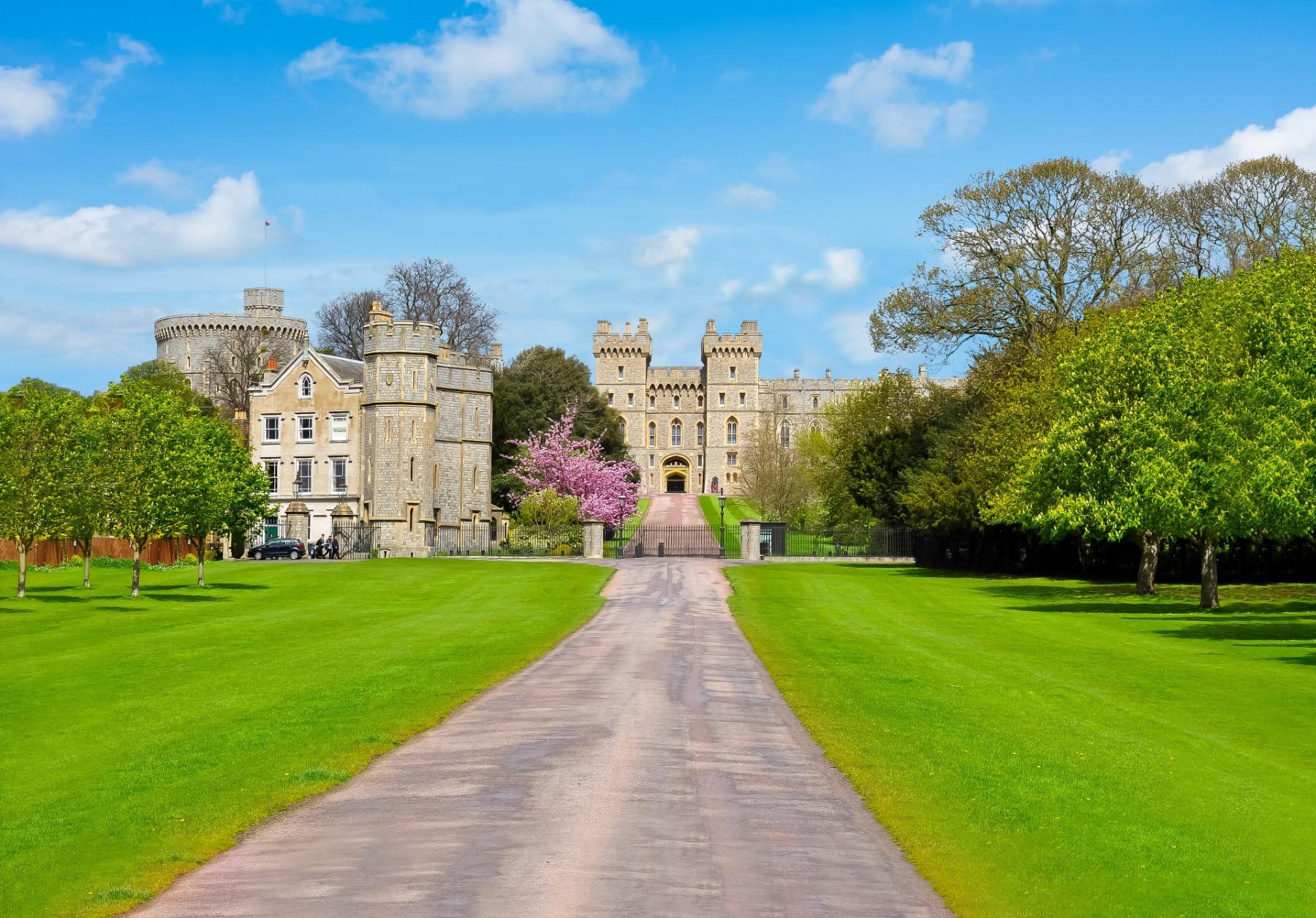
Walk among the ancient stones before crowds arrive, then explore Windsor's royal heritage and Georgian streets.
12 hours
Free Cancellation
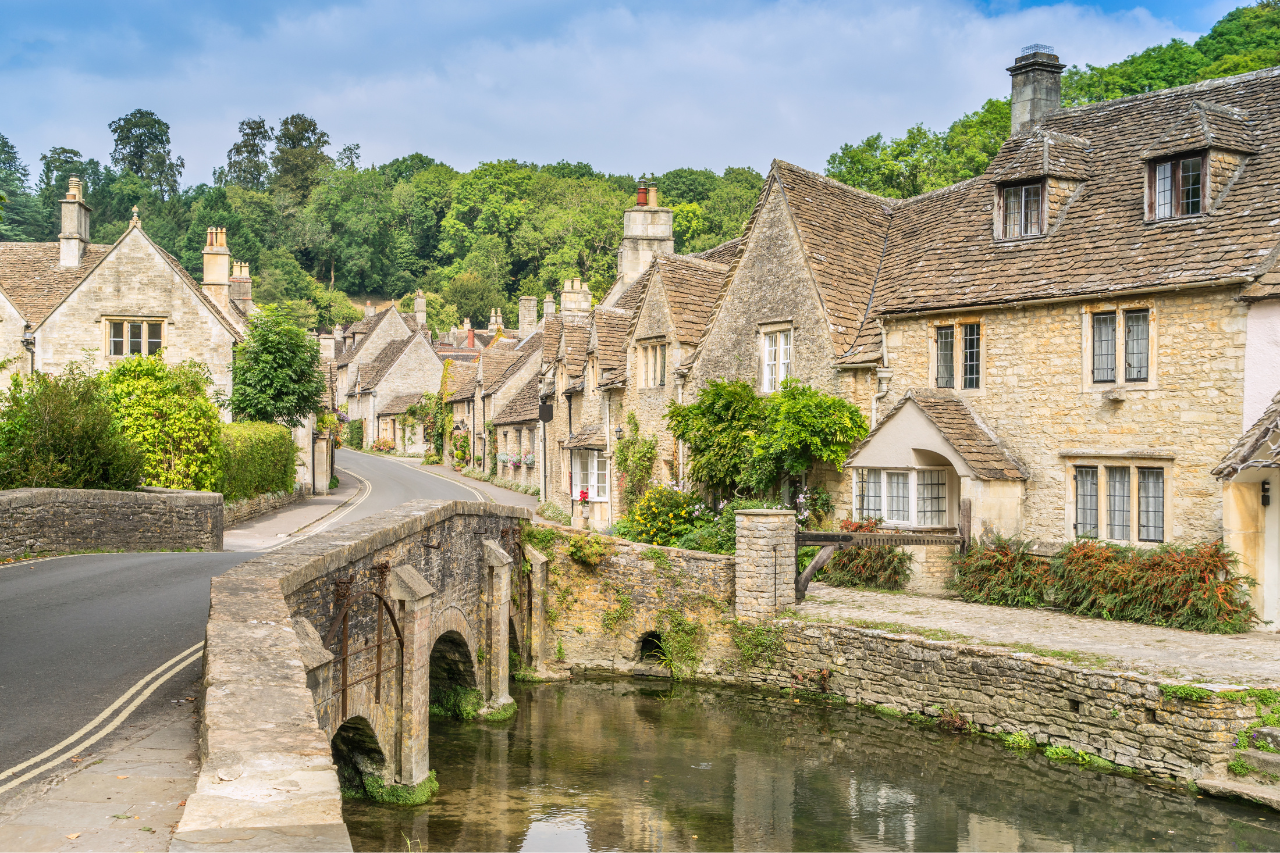
Walk inside the stone circle at sunrise or sunset, then explore Bath's Roman heritage and Lacock's medieval charm
11 hours
Free Cancellation
Step inside Stonehenge after hours and explore ancient Avebury village and a 5,000-year-old burial chamber
7 - 8 hours
Free Cancellation
Journey to Britain's most enigmatic ancient monument with flexible morning or afternoon departure
9 hours 30 minutes
Free Cancellation
Discover England's most enchanting rural region on a guided day trip through historic market towns and timeless villages
12 hours
Free Cancellation
Witness ancient pagan rituals and sunset celebrations at Stonehenge during the magical summer solstice
11 hours
Free Cancellation
Discover three of England's treasures in one day: prehistoric monuments, Roman spa heritage, and village charm
7 hours
Free Cancellation
Direct coach service to England's most enigmatic prehistoric monument with audio commentary and leisure time
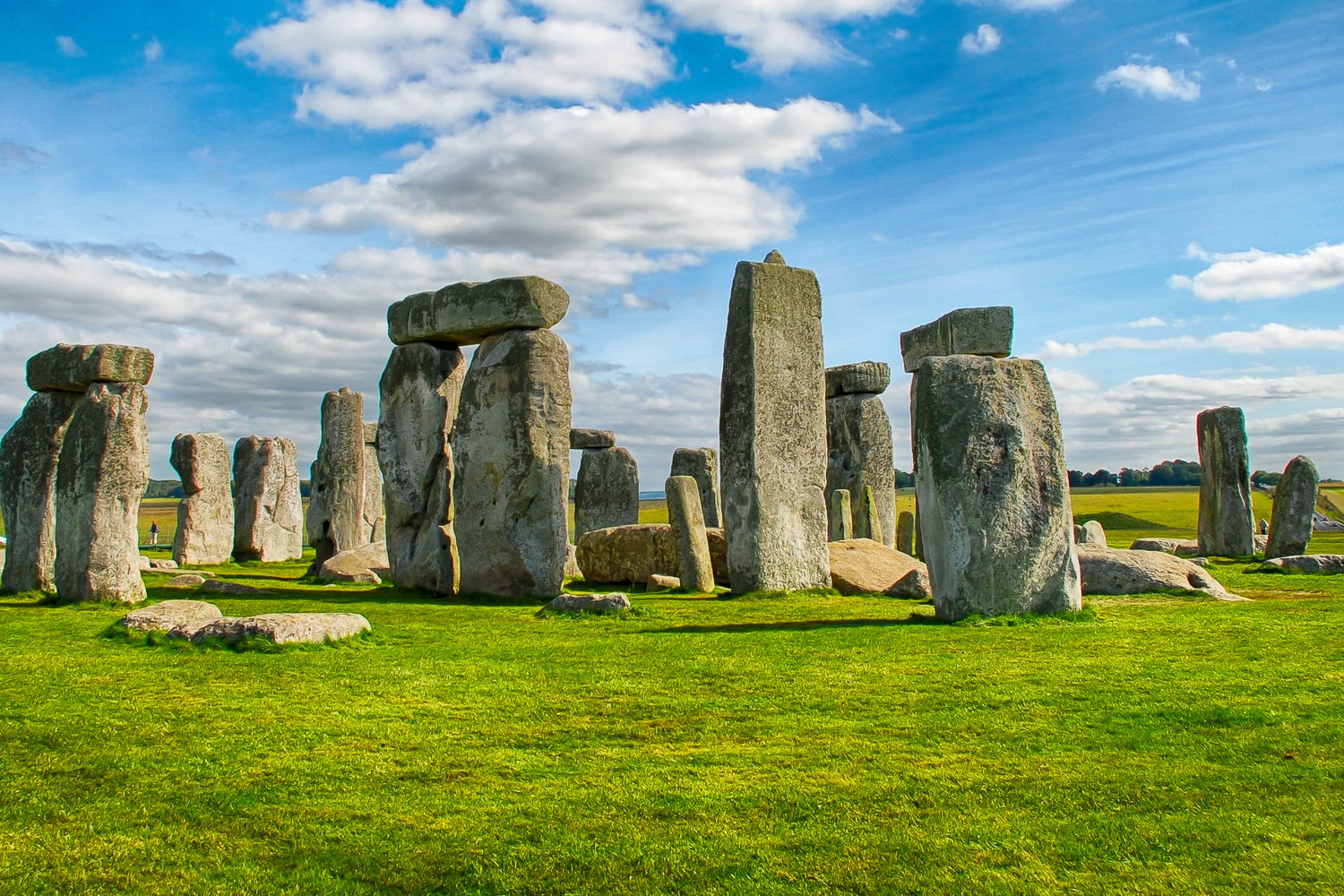
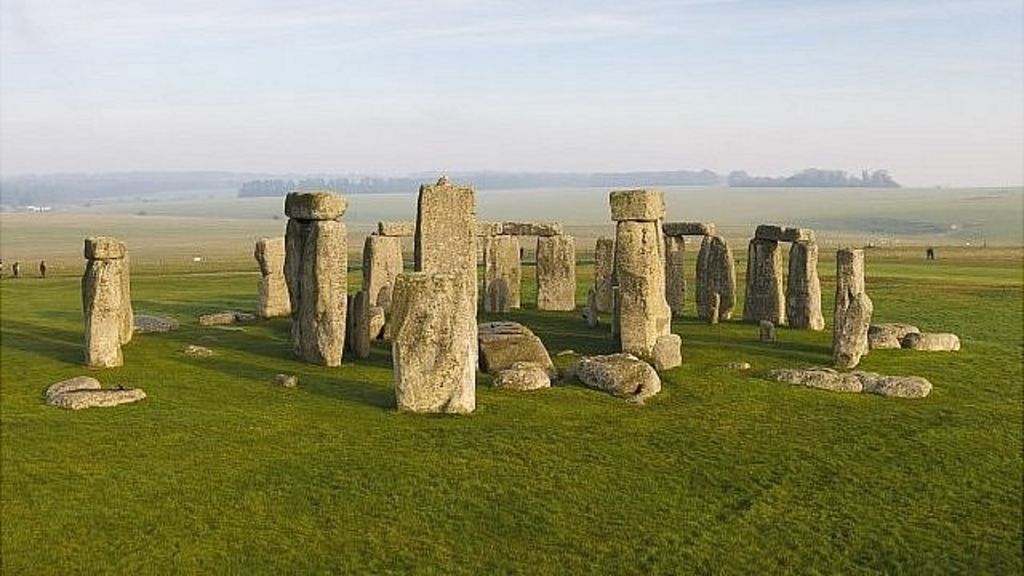
Massive sandstone blocks weighing up to 25 tons that form the iconic outer circle of the monument.
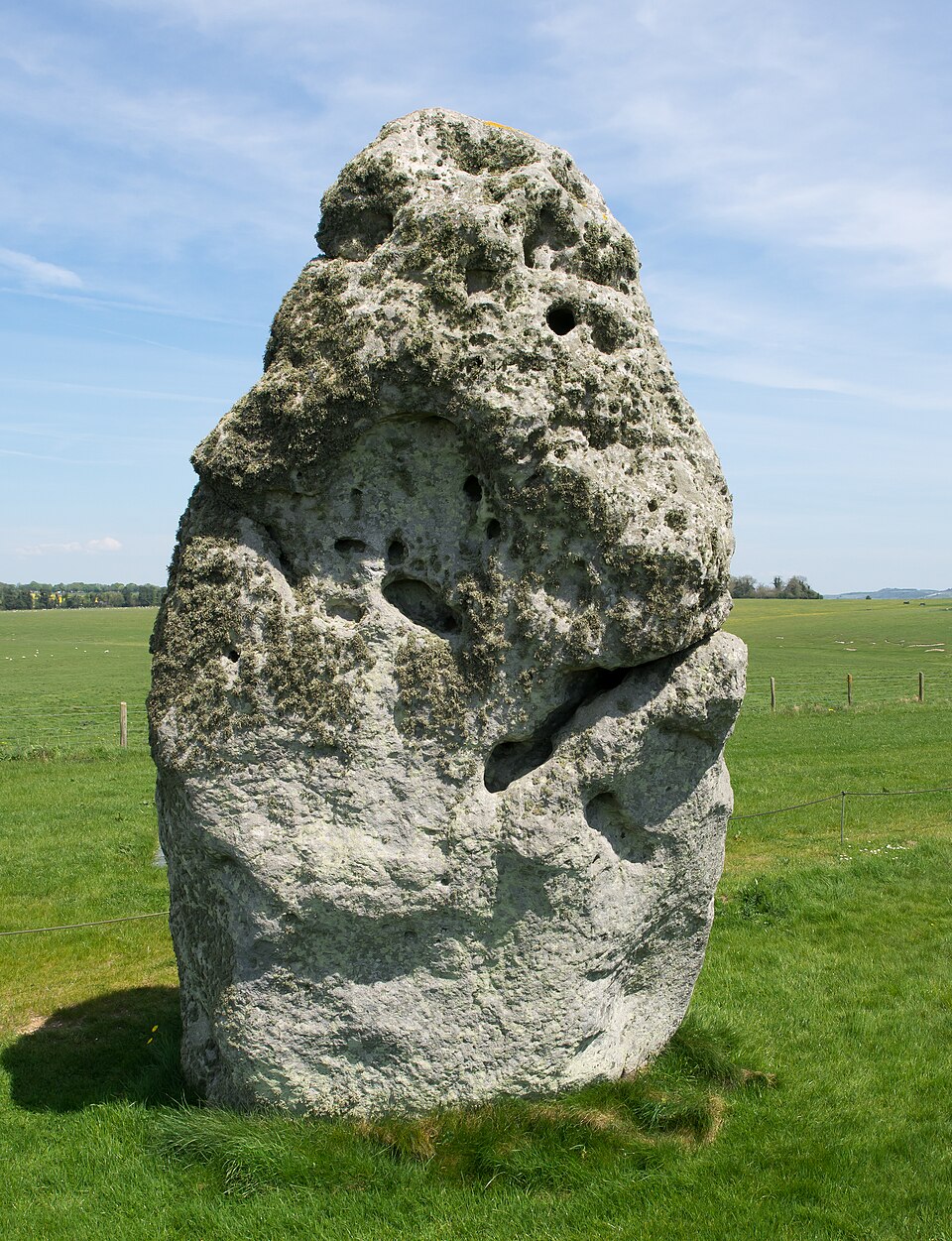
A large unshaped sarsen stone that stands alone outside the main circle and marks the sunrise.
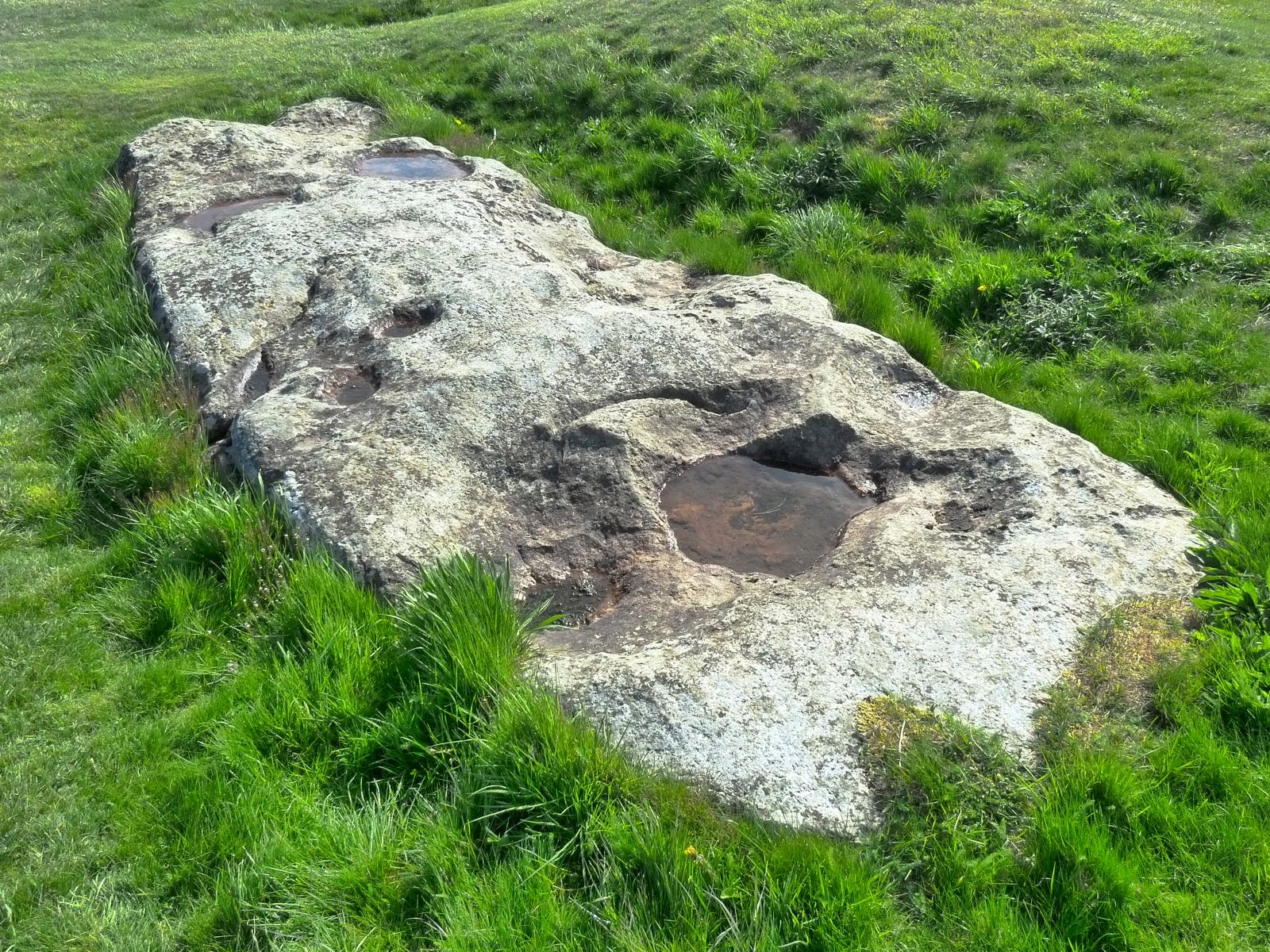
A fallen sarsen stone near the entrance, historically misnamed for ritual sacrifice despite its natural geological origins.
Smaller, non-local volcanic rocks transported from Wales over 200 miles away during the construction phases.
The most protected, central architectural core where visitors get their closest view during a sunset tour.
You leave central London by mid-afternoon, heading west through the Thames Valley as the motorway gives way to the open chalk downs of Wiltshire.
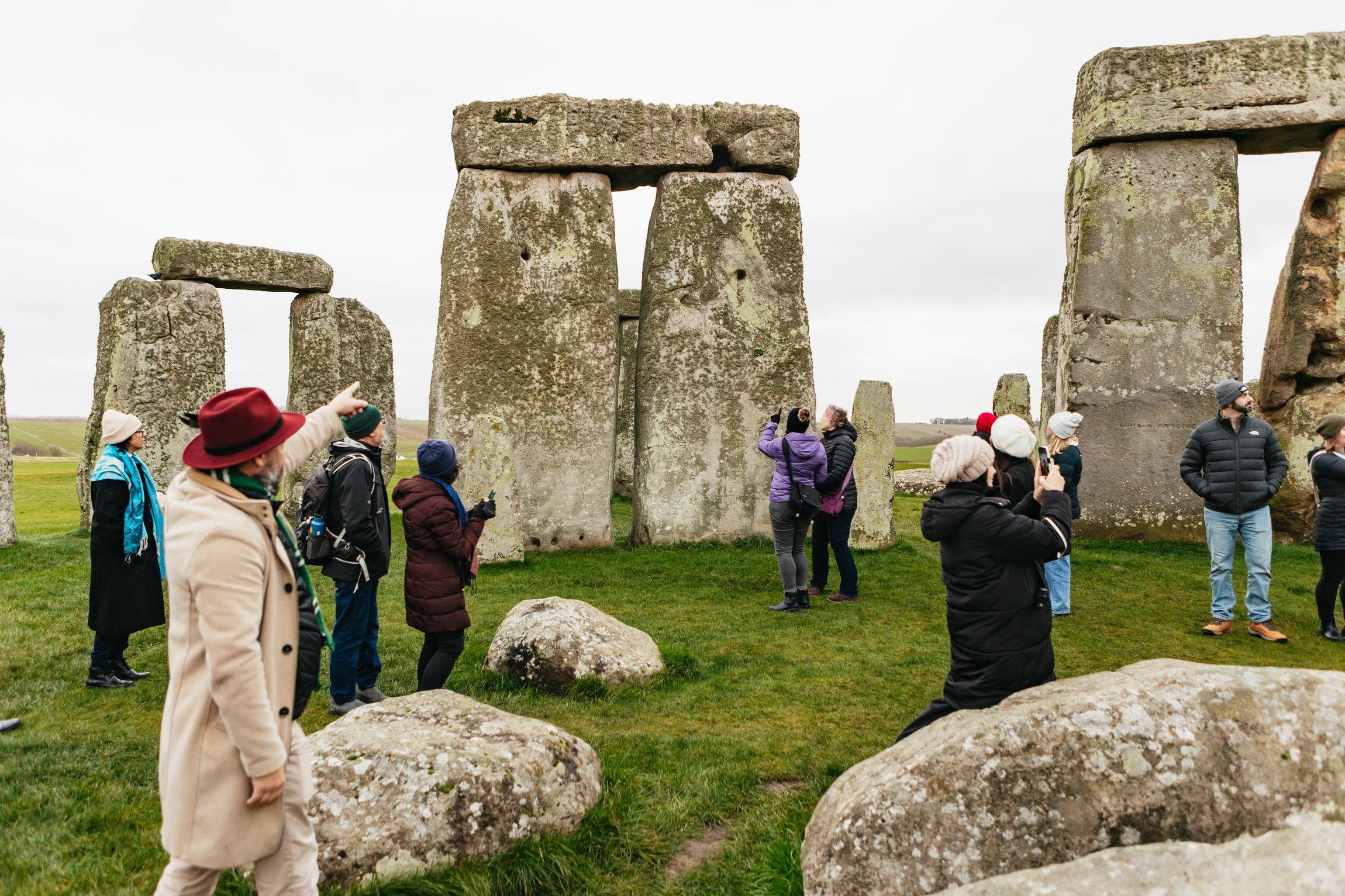
The coach deposits you at the Stonehenge visitor centre two hours later, where a brief orientation covers the monument's chronology and the protocols for Inner Circle access: no touching the stones, no flash photography, groups limited to twenty-six. A shuttle carries you the final mile across the plain. Standard visitors are departing as you arrive, and the site falls quiet.
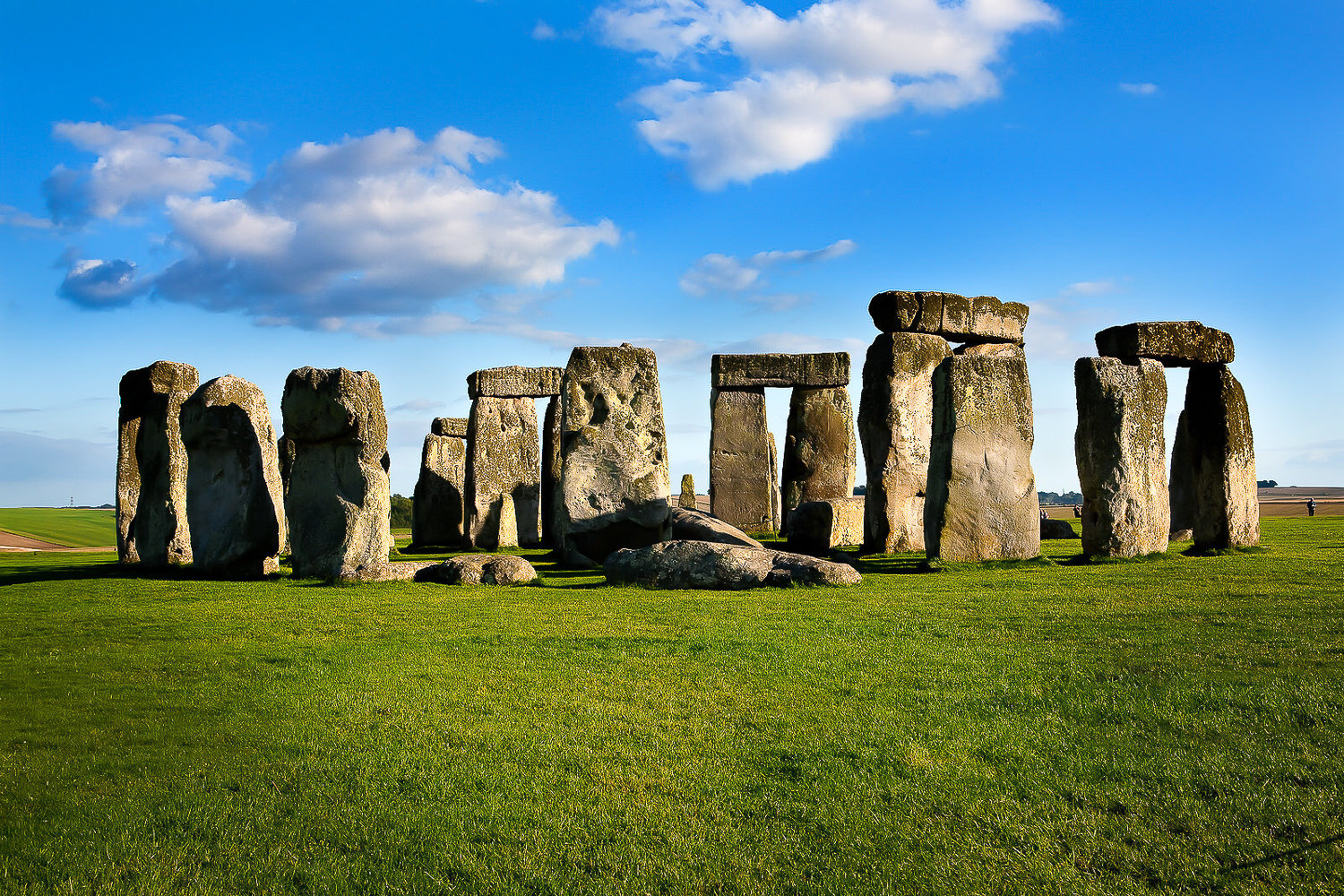
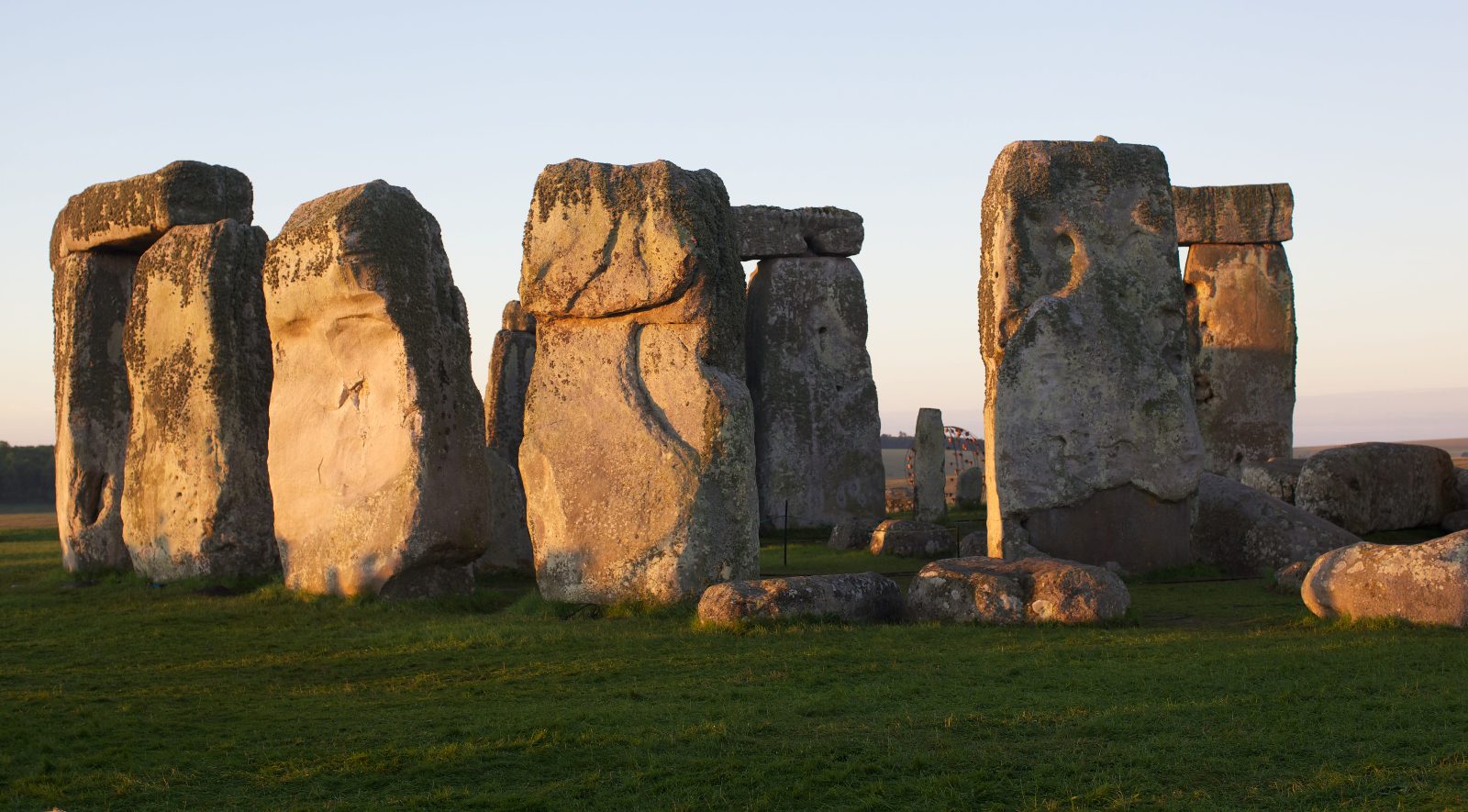
You pass through a gate in the perimeter fence and walk the gravel path that curves toward the sarsen circle. The rope barrier is lifted. You step onto the close-cropped turf inside the monument, and the scale shifts immediately—what appeared solid from a distance reveals itself as a discontinuous ring, some uprights missing, others leaning, lintels displaced by millennia of freeze-thaw and subsidence. The bluestone horseshoe sits at the centre, its stones rougher and darker than the sarsens. You move between the trilithons, noting the smooth inner faces and the pocked, lichen-covered outer surfaces. The sun drops toward the horizon, and the light turns amber, then rose. Shadows lengthen across the circle. A site custodian signals five minutes remaining, and you walk back through the stones as the western sky deepens to violet.
All the details about your upcoming adventure in one place
Fewer than one percent of Stonehenge's annual visitors cross the barrier rope. Standard admission keeps the public at a respectful fifteen-metre perimeter, where the sarsen stones appear monumental but remote. Inner Circle access reverses that distance entirely.
Participants walk between the uprights, trace the tooling marks left by Neolithic masons, and stand beneath lintels that have framed the horizon since 2500 BCE. The experience is governed by strict daily quotas and offered only outside regular operating hours, typically at dawn or near sunset when horizontal light carves deep relief into the weathered surfaces.
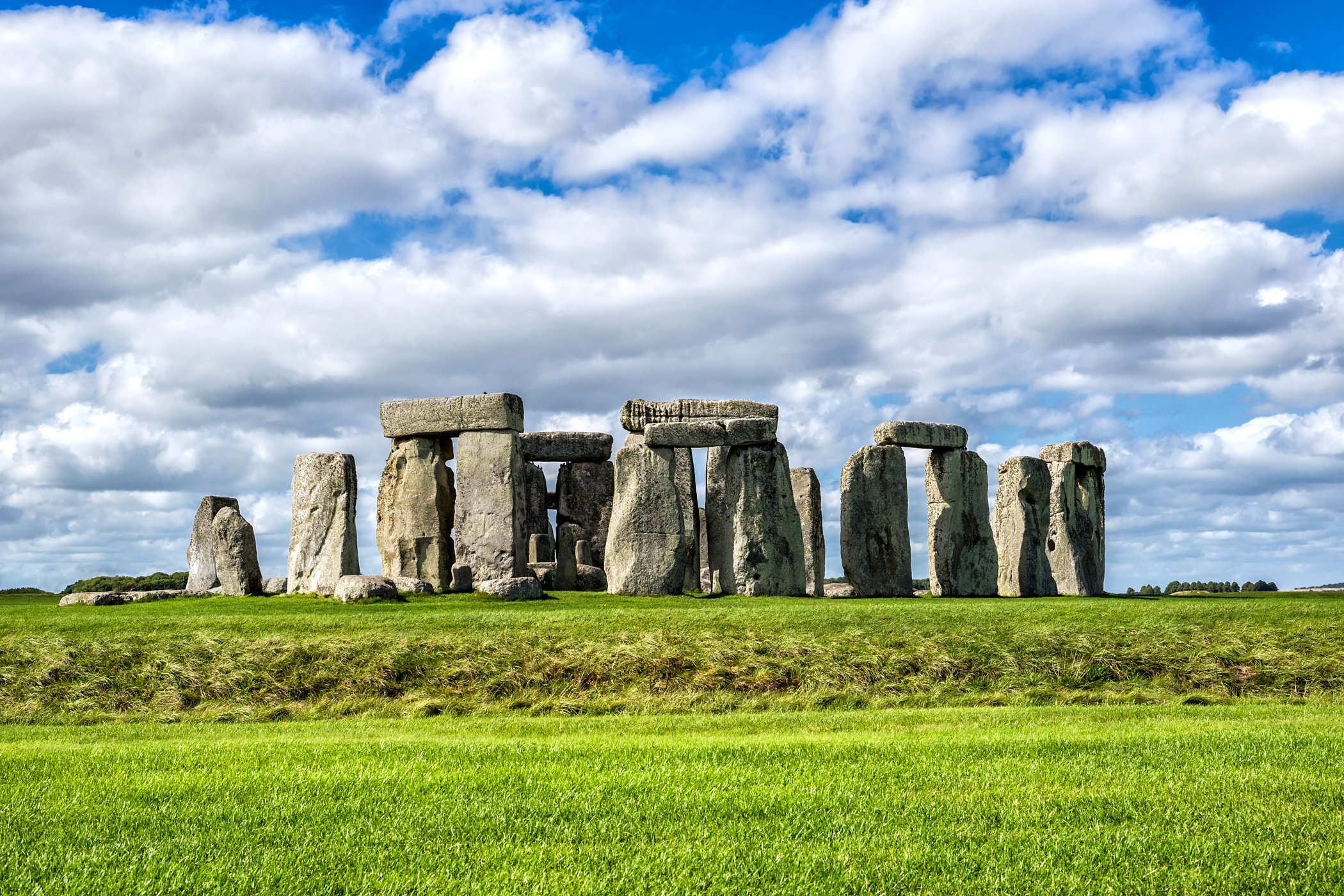
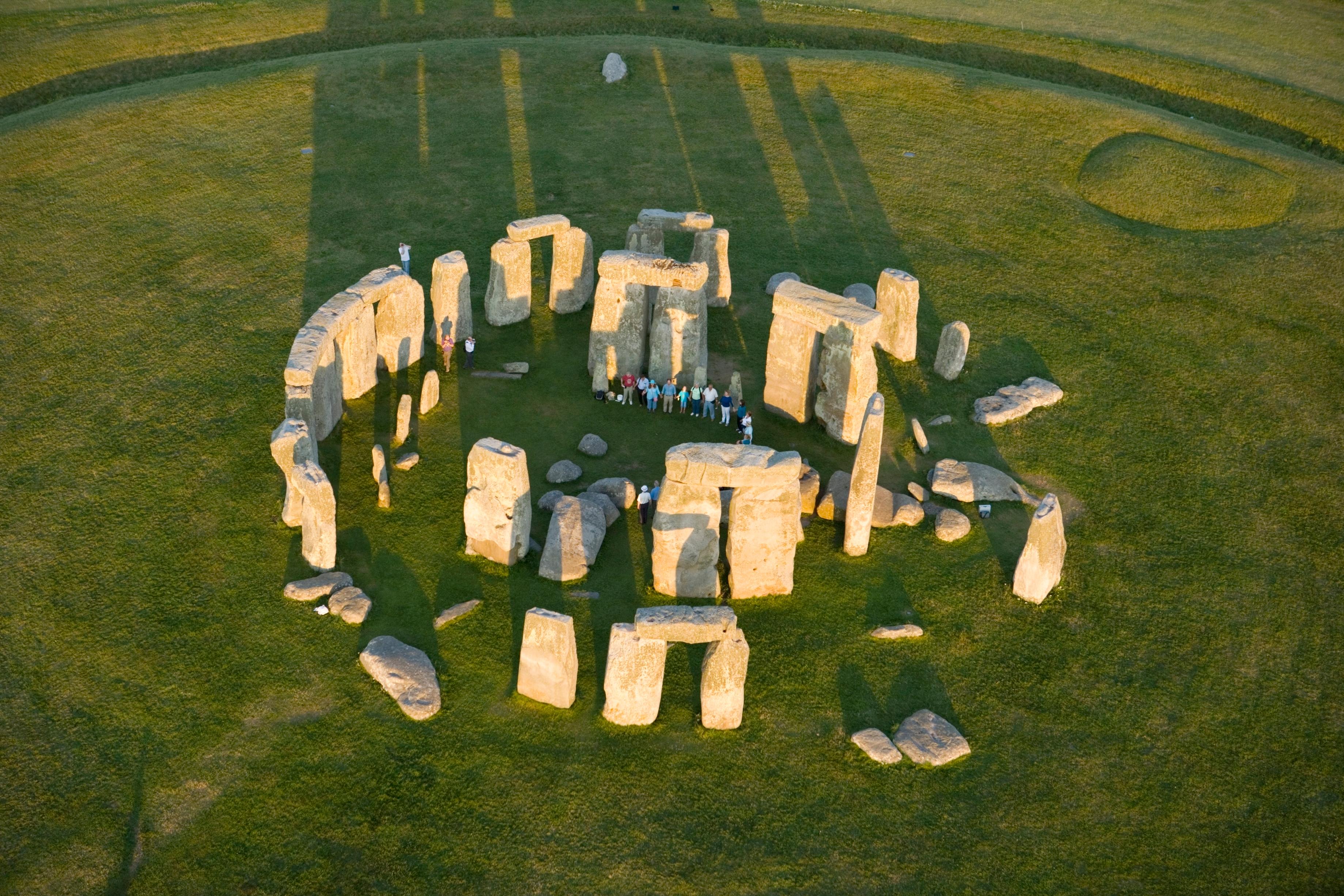
Stonehenge occupies a gentle rise on Salisbury Plain, eight miles north of the cathedral city whose spire dominates the southern skyline. The monument evolved across fifteen centuries. Its earliest phase, circa 3000 BCE, consisted of a circular earthwork ditch and bank enclosing a ring of timber posts. Around 2500 BCE, builders transported eighty-two bluestones from the Preseli Hills in southwest Wales—a distance of 150 miles overland and by water—and arranged them in concentric settings. The iconic sarsen circle followed within decades: thirty uprights, each weighing twenty-five tons, capped by a continuous lintel ring. Five trilithons—paired uprights supporting a single lintel—rise in a horseshoe formation within, the tallest reaching 6.7 metres. Laser scanning has revealed mortise-and-tenon joints and interlocking curves designed to counteract perspective distortion when viewed from ground level.
Archaeoastronomical surveys confirm alignments to the midsummer sunrise and midwinter sunset, though debate persists over whether Stonehenge functioned as an observatory, ceremonial centre, or burial ground. Cremated remains of at least sixty-three individuals, dated between 3000 and 2500 BCE, have been excavated from the Aubrey Holes that ring the interior. Recent isotope analysis of those remains suggests some were transported from western Britain, reinforcing theories of Stonehenge as a pan-regional pilgrimage site. The monument was designated a UNESCO World Heritage Site in 1986, jointly with Avebury, twenty miles north.
Today's Stonehenge Inner Circle sunset tour from London offerings pair exclusive stone access with return coach transport, typically departing mid-afternoon to allow for the two-hour westbound journey. Tours schedule Inner Circle entry to coincide with the final hour before site closure, when the low sun illuminates the western face of the sarsen ring and casts long shadows across the chalk grassland. The experience lasts thirty minutes inside the circle, followed by time in the visitor centre, which houses five hundred archaeological objects including polished stone axes, antler picks, and a Bronze Age timber circle reconstructed at full scale.
Fewer than one percent of Stonehenge's annual visitors cross the barrier rope.
Dress for the outdoors in comfortable, weather-appropriate clothing as the stonehenge inner circle sunset tour from london takes place entirely in an open-air environment. Avoid clothing with offensive slogans or imagery.
Bags are subject to security screening at the visitor centre before your stonehenge inner circle sunset tour from london. Keep items minimal as there is no secure storage for large luggage near the monument.
Personal photography is permitted during your stonehenge inner circle sunset tour from london, though you must not touch or climb the stones. Tripods may be used if placed on protective matting to prevent ground disturbance.
Children are welcome on the stonehenge inner circle sunset tour from london, but must be accompanied by an adult. The visitor centre provides interactive exhibits suitable for all ages.
The site, including the path for the stonehenge inner circle sunset tour from london, is accessible for wheelchair users. Shuttles are available to transport visitors from the visitor centre to the monument.
Food and drink are not permitted inside the stone circle during your stonehenge inner circle sunset tour from london. The on-site restaurant and cafe at the visitor centre offer refreshments before or after your session.
Opening Hours
09:30–17:00
Address
Near Amesbury, Wiltshire, SP4 7DE
Accessibility
Full site access available
Best Window
09:30–15:00
Storage
Limited facilities on-site
Navigation
Use SP4 7DE for satnav
Stonehenge inner circle sunset tour from london tickets are typically non-refundable, though some third-party operators allow cancellation up to 24-48 hours before departure. Please verify your specific operator's policy as standard gate admission of 32 GBP is non-transferable.
Recommended time
4-5 hours
Planning a stonehenge inner circle sunset tour from london requires accounting for travel logistics alongside your exclusive access to the sarsen stones. While general visitors often depart by late afternoon, those with stonehenge inner circle sunset tour from london tickets enjoy the quieter Neolithic landscape as the sun dips below the horizon. Most guests find this timeframe sufficient to explore the visitor center exhibitions before joining the guided walk to the monument, though transit from the city can add several hours to your total itinerary. Securing your stonehenge inner circle sunset tour from london tours in advance ensures you are prepared for the shuttle transit to the monument site.
Crowd levels through the day
Stonehenge emerged in stages across fifteen centuries, beginning around 3000 BCE when Neolithic communities dug a circular bank and ditch enclosing fifty-six pits now known as the Aubrey Holes. These pits held cremated human remains, establishing the site as a cemetery long before the iconic stones arrived. Around 2500 BCE, builders transported eighty-two bluestones from the Preseli Hills in Wales, a distance exceeding 240 kilometres, and arranged them in an incomplete double circle. The effort required to move four-tonne blocks without wheeled transport or metal tools remains a subject of intense archaeological debate, with recent theories proposing a combination of wooden sledges, river rafts, and community labour mobilising hundreds of workers over decades. The monument's most dramatic transformation occurred around 2400 BCE when sarsen stones—each weighing up to thirty tonnes—were hauled from the Marlborough Downs twenty-five kilometres north. Builders shaped these sandstone monoliths with unprecedented precision, creating mortise-and-tenon joints and curved lintels that locked into place without mortar. The resulting trilithons formed a horseshoe arrangement opening to the northeast, aligning with the midsummer sunrise and midwinter sunset. This astronomical orientation has led scholars to interpret Stonehenge as a ceremonial calendar, though its exact ritual function remains contested. Excavations in the twentieth century revealed that the bluestones were rearranged multiple times, suggesting the monument's purpose evolved across generations. By 1600 BCE, activity at Stonehenge had ceased, and the site entered a long period of neglect punctuated by Roman-era coin deposits and medieval folklore attributing the stones to Merlin's magic. In 1877, Charles Darwin conducted earthworm studies in the surrounding fields, inadvertently documenting how centuries of soil accumulation had buried fallen stones. Restoration campaigns beginning in 1901 re-erected several sarsens using concrete foundations, a decision that sparked controversy among preservationists. Modern stonehenge inner circle sunset tour from london experiences grant limited access to the central enclosure during solstice periods, allowing visitors to witness the alignment first documented by eighteenth-century antiquarian William Stukeley. Today, laser scanning and chemical analysis of the sarsen surfaces continue to reveal construction techniques that challenge assumptions about prehistoric engineering capabilities.
Neolithic communities excavate a circular ditch and bank, creating the earliest phase of Stonehenge as a cremation cemetery.
Eighty-two bluestones are transported from Wales and arranged in a double circle, marking the first stone construction.
Builders erect thirty-tonne sarsen stones in a horseshoe formation with mortise-and-tenon joints, aligning the structure with solstice sunrise and sunset.
Construction and ceremonial activity at Stonehenge cease, beginning centuries of abandonment.
Charles Darwin studies earthworm activity at Stonehenge, documenting soil accumulation that had buried fallen stones.
First major restoration campaign begins, re-erecting collapsed sarsens using concrete foundations.
Stonehenge is inscribed as a UNESCO World Heritage Site alongside Avebury and associated monuments.
Laser scanning reveals previously undetected carvings on sarsen surfaces, including Bronze Age axe motifs.
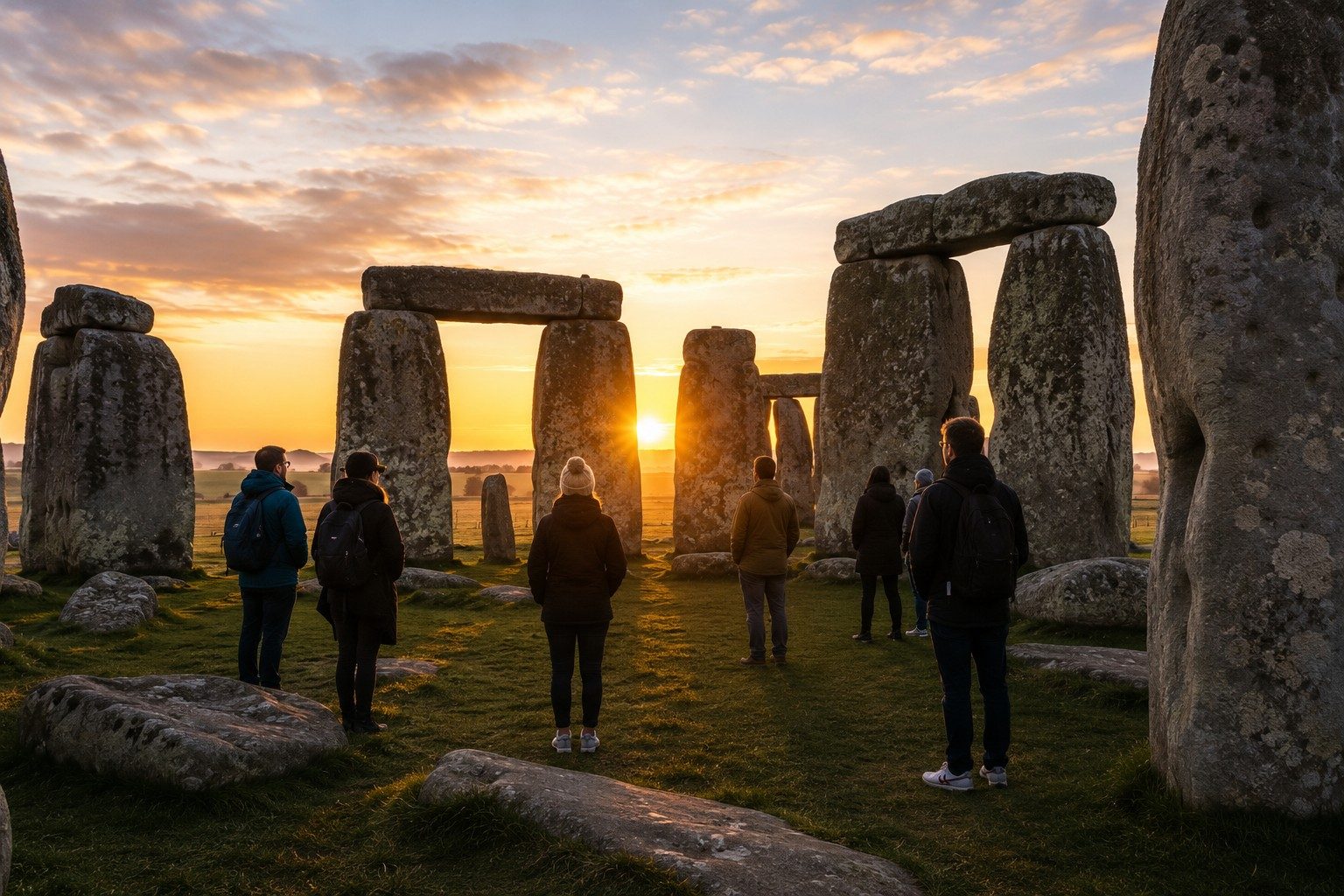
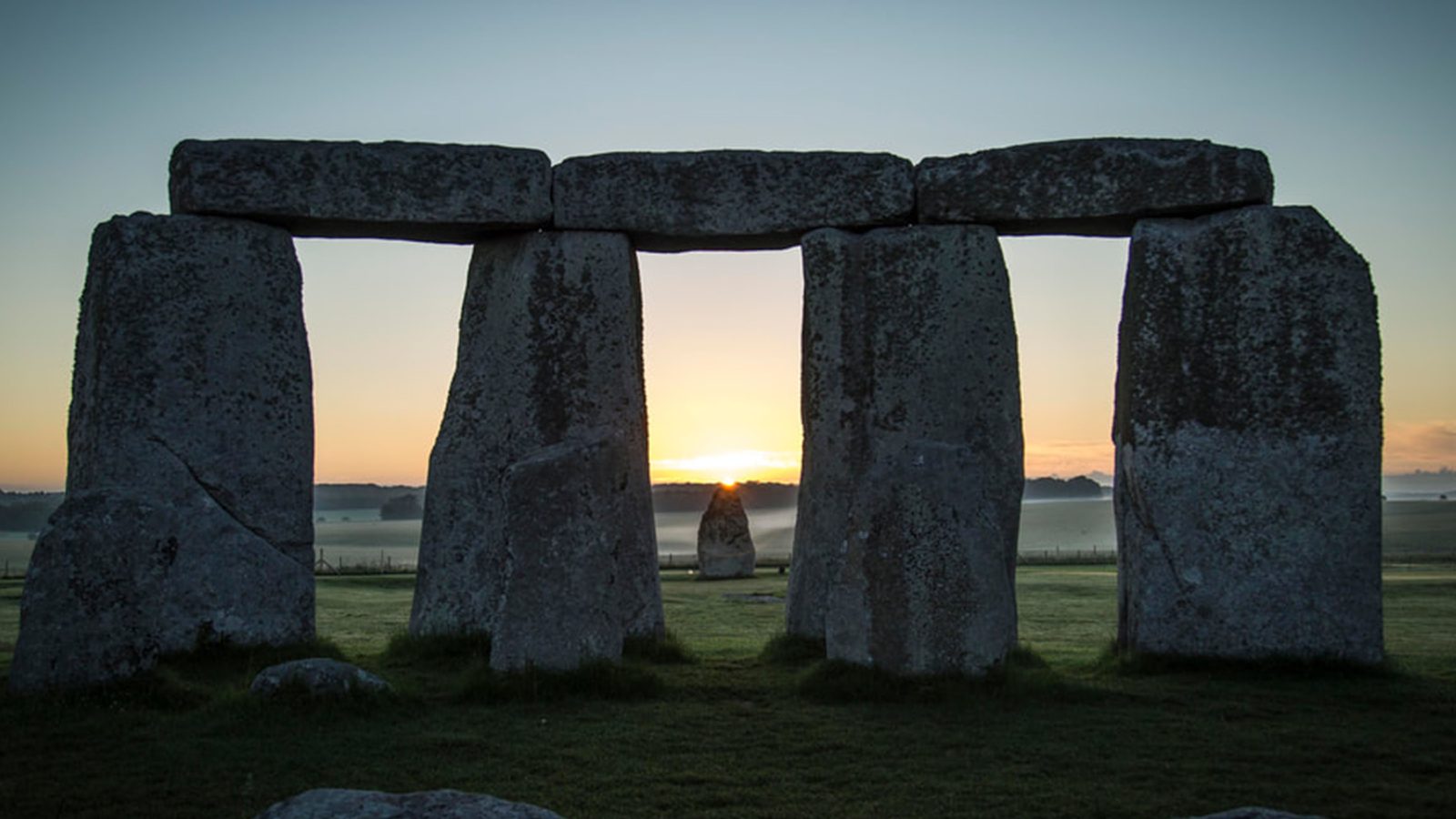
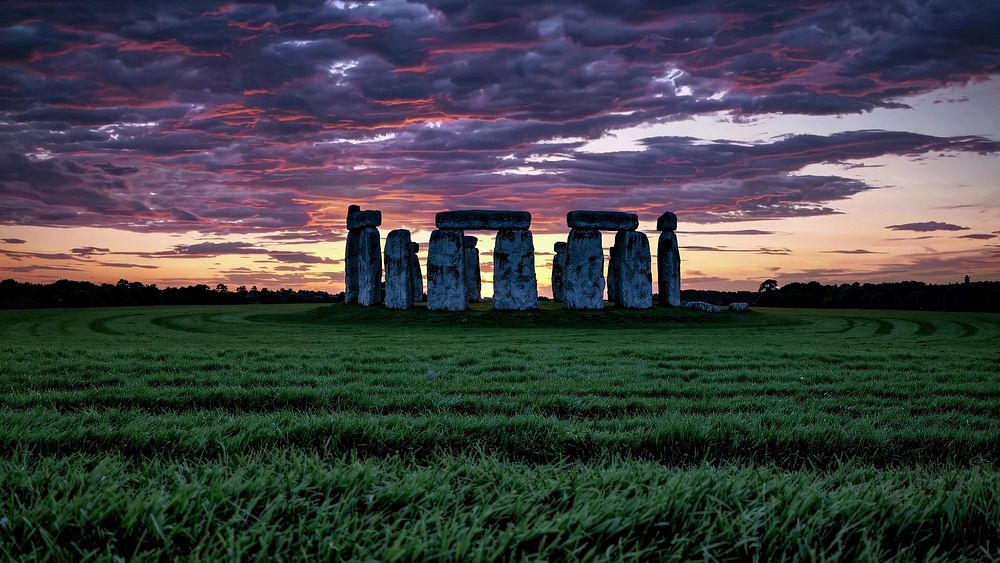
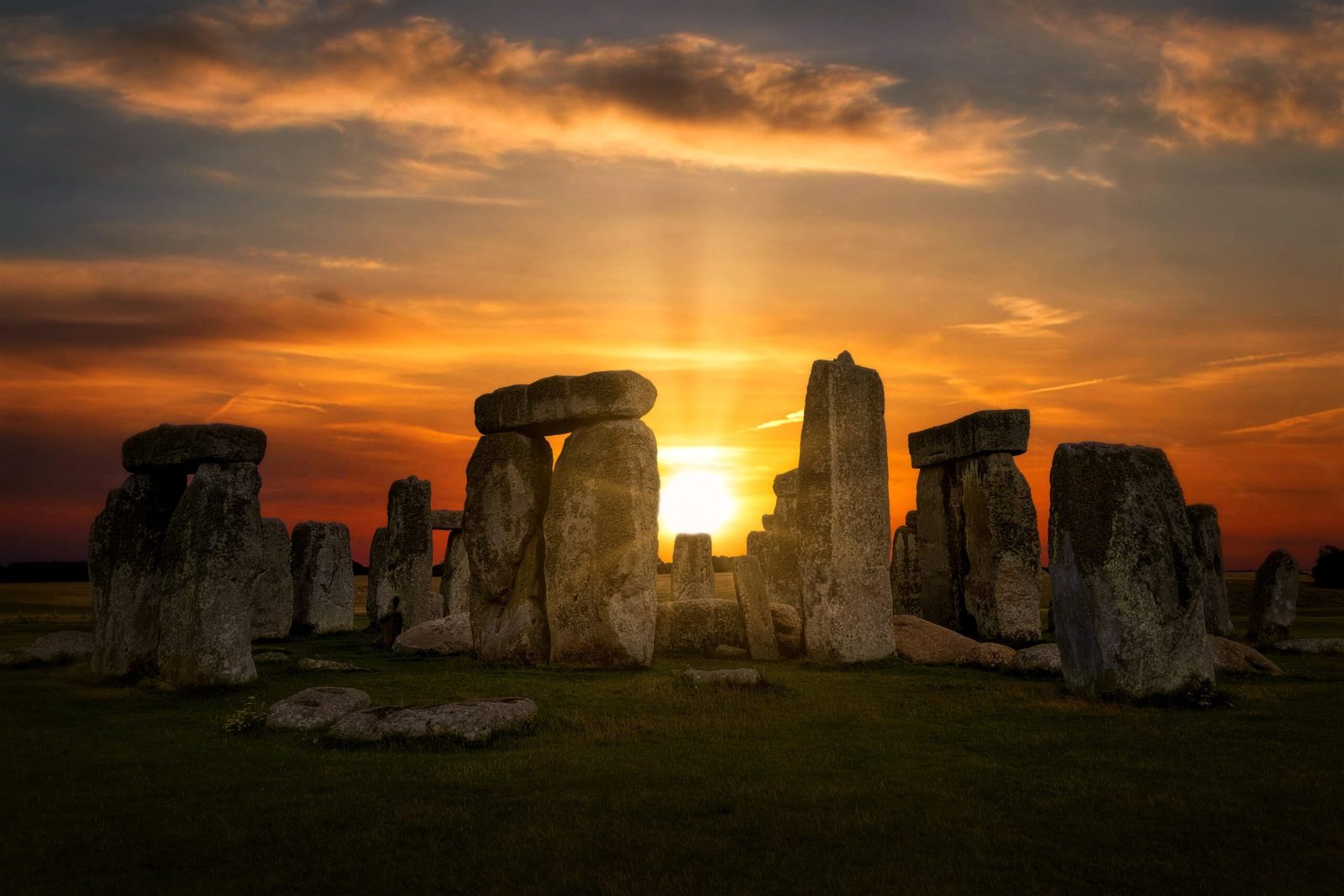
Position yourself to capture the sun setting directly behind the Heel Stone to create a powerful silhouette against the megalithic architecture. This perspective is a highlight of the stonehenge inner circle sunset tour from london, offering a rare look at the site's prehistoric alignment.
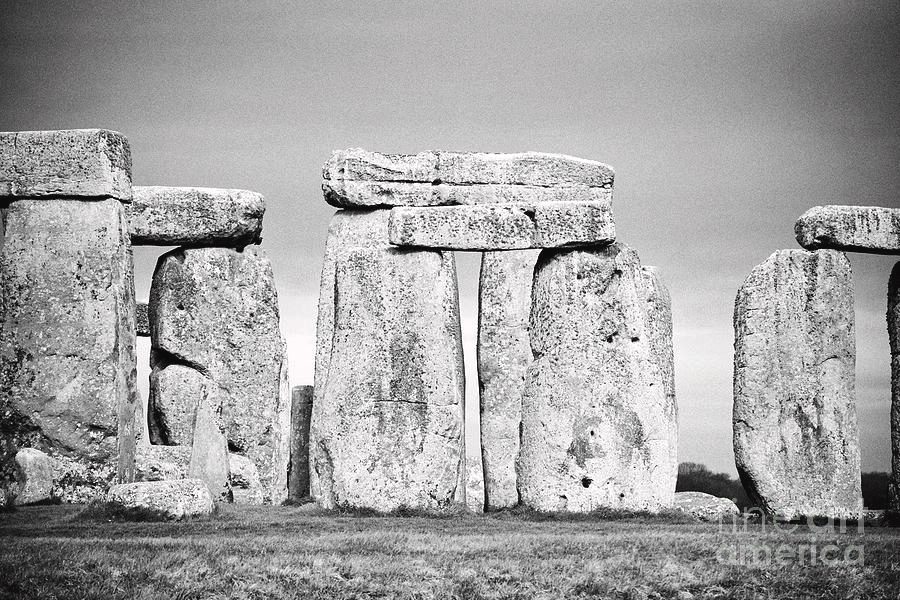
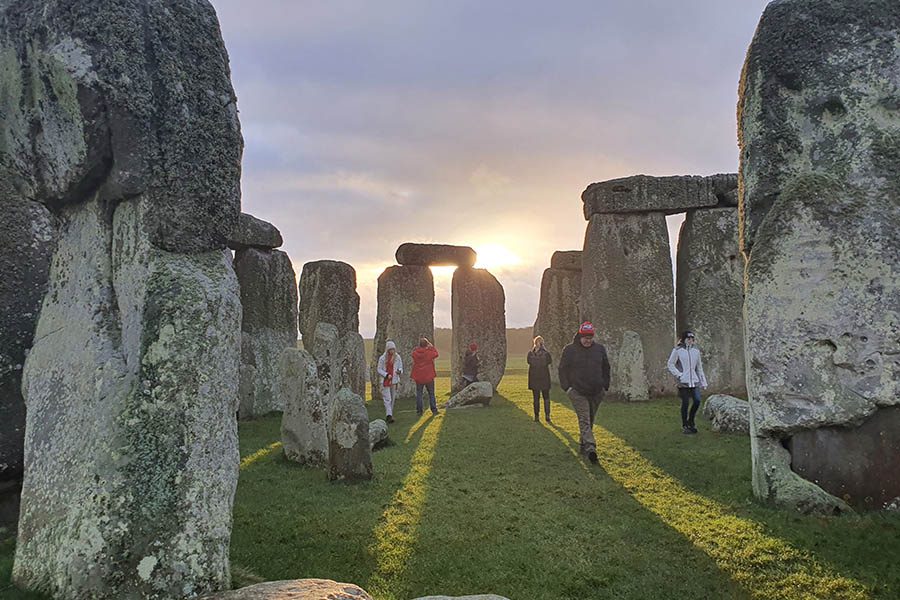
Step inside the monument to photograph the massive sarsen stones from the ground up, emphasizing their scale and the interplay of shadows across the inner lintels. These stonehenge inner circle sunset tour from london tours provide the only opportunity for this low-angle perspective.
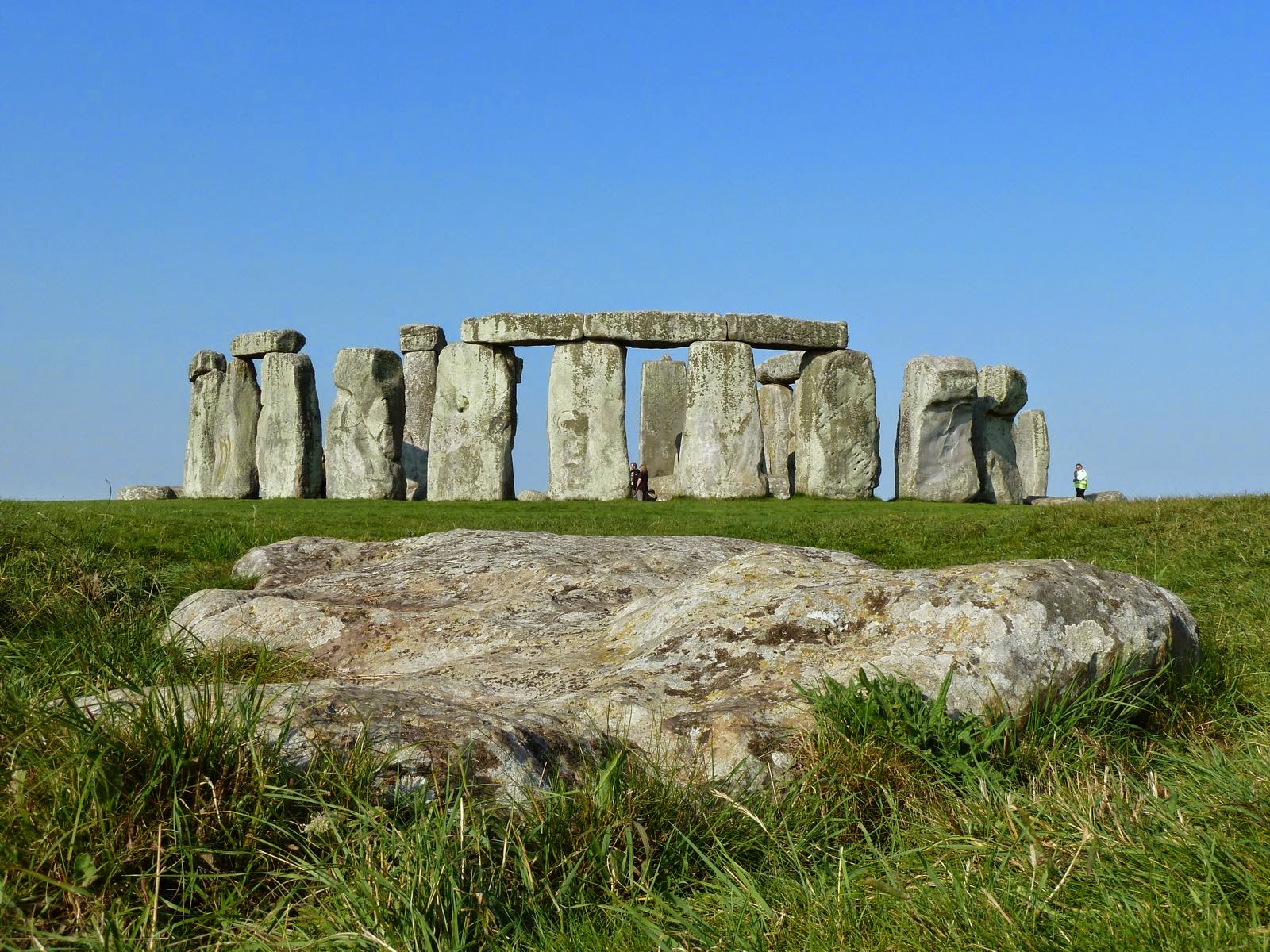
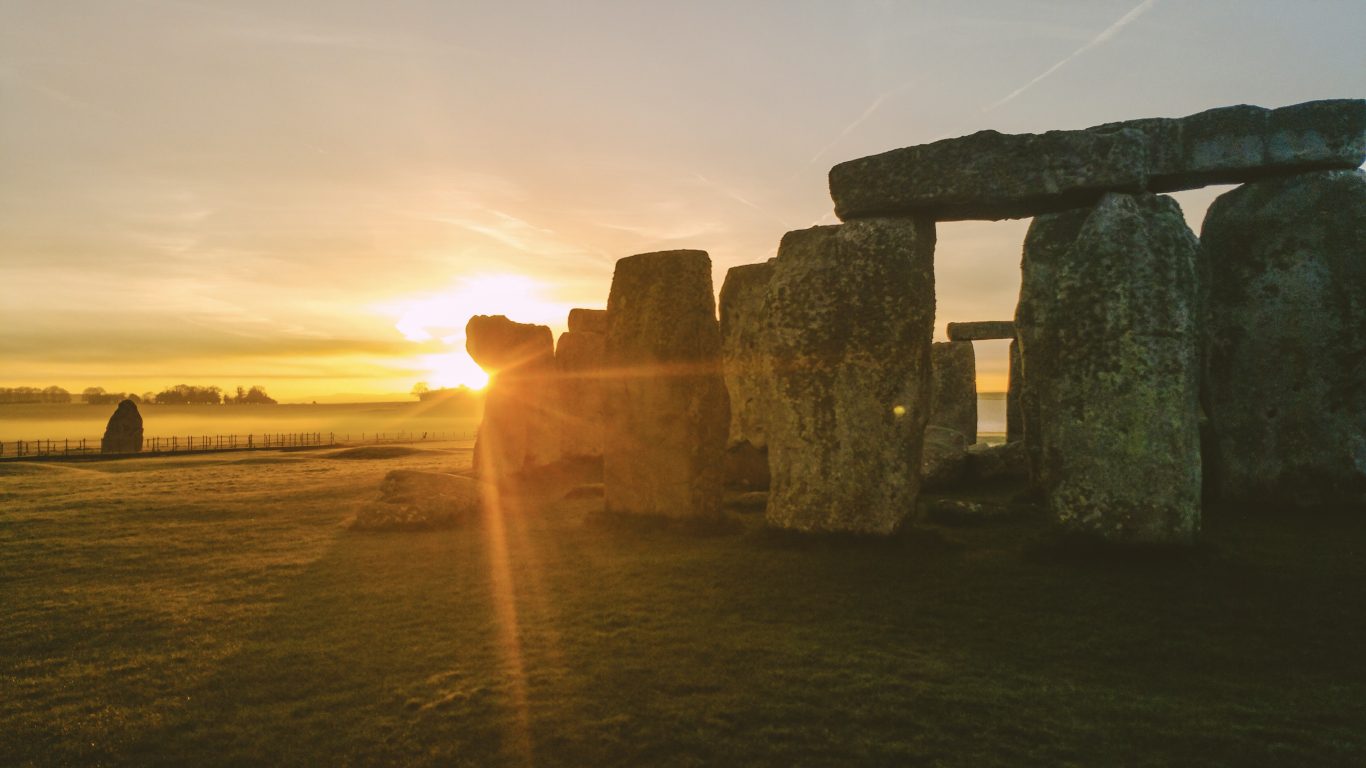
Focus your lens on the weathered textures of this recumbent stone with the main circle framing the horizon in the background. Booking stonehenge inner circle sunset tour from london tickets allows you to stand close enough to capture the fine surface details of the stone.
Move to the outer ring of pits to frame the entire monument as a silhouette against the changing colors of the sky. Accessing this area is a unique feature of a stonehenge inner circle sunset tour from london tour, letting you capture the full scale of the UNESCO World Heritage site.
A stonehenge inner circle sunset tour from london provides a unique way for families to engage with this ancient world heritage site beyond the standard daytime crowds. While the monument is best suited for children aged 5 and older, the opportunity to see the sarsen and bluestone formations in golden light can turn an educational history lesson into a memorable evening.
The visitor centre and main paths are stroller-friendly, though some areas near the monument feature uneven grass surfaces where a baby carrier may be more convenient.
Baby-changing rooms and bottle-warming services are available at the visitor centre; please note there are no public restrooms or dining options at the stone circle itself.
For families choosing a stonehenge inner circle sunset tour from london tour, aim to arrive with enough time to explore the exhibition at the visitor centre before your scheduled access slot.
The café at the visitor centre offers highchairs and child-friendly options, though it is best to pack snacks and drinks before departing for your tour as on-site dining options close after public hours.
Children aged 5-17 can join many special access experiences, though some operators may suggest this specific sunset excursion for children 12 and older due to the late hour and walking requirements.
Because these stonehenge inner circle sunset tour from london tickets are highly sought after and provide exclusive access, booking well in advance is essential for your preferred dates.
Dining options near the prehistoric monument are limited, as most visitors preparing for a stonehenge inner circle sunset tour from london choose to eat at the Visitor Centre or bring supplies. Because the site is located near Amesbury, Wiltshire, SP4 7DE, you will find most amenities concentrated at the main hub.
This primary spot serves hot meals and snacks for those securing stonehenge inner circle sunset tour from london tickets. It is often busy during the best arrival window of 09:30–15:00, so consider arriving early to eat before your excursion.
Located nearby, this venue offers a broader menu than typical snack bars for travelers on a stonehenge inner circle sunset tour from london tour. It provides a comfortable space to relax before heading out to the Neolithic landscape.
A convenient choice for a quick bite before your stonehenge inner circle sunset tour from london tours begin. Expect simple, hearty fare that works well for those with tight schedules.
Everything you need to know for your journey
The site itself is open 09:30–17:00, but the stonehenge inner circle sunset tour from london takes place outside these hours after the site closes to the public.
Yes, children are welcome on the stonehenge inner circle sunset tour from london provided they are accompanied by a paying adult.
Photography is encouraged during the stonehenge inner circle sunset tour from london, provided you do not touch or lean on the stones.
Tickets for the stonehenge inner circle sunset tour from london are generally non-refundable, though operator-specific policies may vary.
There is no formal dress code, but dress for outdoor weather conditions during your stonehenge inner circle sunset tour from london.
No food or drink is allowed at the stones during a stonehenge inner circle sunset tour from london; eat at the visitor centre beforehand.
Bring comfortable shoes, a camera, and your mobile booking voucher for your stonehenge inner circle sunset tour from london.
Most visitors take a tour coach from London, though Stonehenge is located near Amesbury, Wiltshire, SP4 7DE.
Items like alcohol, camping gear, and large bags are prohibited during the stonehenge inner circle sunset tour from london.
Join thousands of happy travelers who have discovered this incredible experience
Book Your Experience Now