
Quick answer
Inner circle access at Stonehenge grants entry to the stone circle itself during private dawn or dusk sessions, allowing visitors to walk within touching distance of the sarsens and photograph without barriers. Standard admission costs £32 and maintains a fifteen-meter viewing distance, while inner circle tours typically occur before 09:30 or after 17:00 closing. The experience suits visitors prioritizing unobstructed access and atmospheric lighting over general monument viewing.
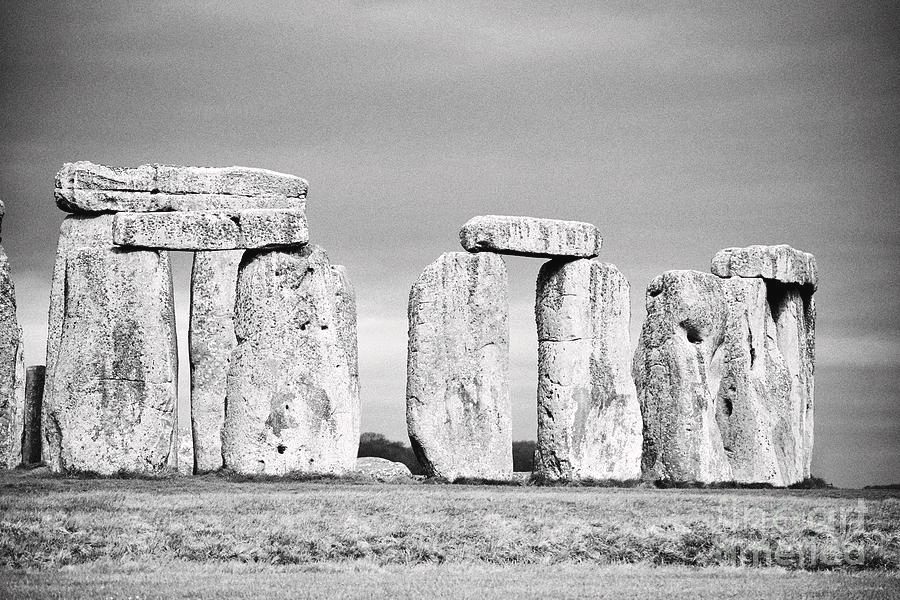
Only thirty people walked among the stones the morning inner circle access began in 2013, a sharp contrast to the three thousand daily visitors who view Stonehenge from the standard perimeter path. The English Heritage program emerged after decades of rope-line restrictions designed to protect the fragile sarsen surfaces from erosion. Inner circle sessions run outside regular monument hours, typically at dawn or dusk, creating two distinct advantages over daytime admission. First, the absence of perimeter barriers means visitors stand directly beside the heel stone, photograph the trilithons without rope lines interrupting sightlines, and observe tooling marks on sarsen surfaces invisible from fifteen meters away. Second, the small group size—capped at twenty-six participants per session—eliminates the crowd density that defines midday visits during peak season. A standard visit on a July afternoon means navigating hundreds of visitors along a one-way path; an inner circle tour means six or seven other people scattered across the monument. The experience does not include touching the stones, despite common misconceptions. English Heritage restrictions prohibit contact to preserve the lichen and prevent oil transfer from hands. What the tour does offer is proximity: standing beneath the great trilithon, observing tenon joints that secured the lintels, and photographing the circle from angles impossible during standard hours. Whether that justifies the cost differential depends on how much value a visitor places on unobstructed access versus general monument appreciation. Timing plays a practical role in the decision. Summer solstice inner circle access includes sunrise alignment viewing, while autumn and winter sessions offer clearer skies and lower attendance. The standard admission window runs 09:30 to 17:00 daily, with last entry at 15:00 during winter months. Visitors who arrive during the recommended 09:30–11:00 window encounter lighter crowds than midday arrivals, though perimeter barriers remain in place regardless of time. Whether the inner circle experience is worth it ultimately hinges on whether proximity to the sarsens and private access timing outweigh the simplicity and lower cost of standard entry.
“Only thirty people walked among the stones the morning inner circle access began in 2013, a sharp contrast to the three thousand daily visitors who view Stonehenge from the standard perimeter path.”
Standard Admission vs. Is Stonehenge Inner Circle Tour Worth It?
Visitors must choose between the standard general admission experience, which follows the designated perimeter path, and private inner circle tours that provide exclusive access to the monument stones. This comparison outlines the logistical differences between these two ways of experiencing Stonehenge.
| General Admission Public Perimeter |
Top pick Inner Circle Tour Private Access |
|
|---|---|---|
| Viewing distance | Approx. 10 meters | Within 1 meter |
| Access time | Standard operating hours | Before or after public hours |
| Crowd levels | High | Minimal |
| Guided interaction | Self-guided | Expert-led interpretation |
| Booking flexibility | High | Limited to specific slots |
Verdict: Choose general admission for self-paced exploration during standard hours, or opt for an inner circle tour if you require close-proximity access and a guided experience.
When Is Stonehenge Inner Circle Tour Worth It for Your Schedule?
The value of an inner circle tour increases significantly when scheduled during shoulder seasons, such as April, May, or October, when the grounds are quieter. Accessing the stone circle during these quieter periods allows for a more focused experience compared to peak summer months.
Spring and Autumn
Low to moderateMild, 10–16°C; layered clothing recommended.
These months offer fewer crowds and more stable conditions for walking the site.
Summer
High volumeWarm, 18–22°C; sunny with occasional rain.
Expect higher visitor numbers during these months, making early access more critical for your schedule.
Winter
Very lowCold, 3–8°C; damp and often windy.
While crowds are at their lowest, the weather is challenging and requires thermal gear.
Verdict: For the most balanced experience, aim for mid-week dates during the shoulder months of April or October.
Planning Your Journey: Is Stonehenge Inner Circle Tour Worth It Logistically?
Stonehenge is located in Wiltshire, SP4 7DE. Reaching the site involves either direct road travel via the A303 or a combination of rail and shuttle bus services.
South Western Railway from London Waterloo to Salisbury Station
Salisbury Reds 'Stonehenge Tour' bus from Salisbury Station
M3 and A303 to Stonehenge, Salisbury, Wiltshire, SP4 7DE
Understanding Value: Is Stonehenge Inner Circle Tour Worth It Compared to Standard Rates?
The cost of visiting Stonehenge is primarily defined by the standard general admission fee. This baseline price allows for public access during operating hours.
A standard adult pays 32 GBP for general admission, with final costs varying based on whether you choose a self-guided visit or a premium inner circle experience.
Key Considerations: Is Stonehenge Inner Circle Tour Worth It for History Enthusiasts?
Evaluating the inner circle experience depends on whether your priority is close-range archaeological study or broader site photography.
Focus on stone markings
Inner circle access allows you to inspect the Neolithic tool marks and bluestone textures that are invisible from the public path. Bring a small magnifying lens to better examine the prehistoric carvings found on specific sarsen stones.
Prepare for low-light conditions
Morning or evening access often results in soft light which highlights the weathered stone surfaces. Professionals use this time to capture images without the shadows typically cast by the sun at midday.
Study the stone positions
Being inside the circle provides a direct line of sight to the lintel construction and joints. Use this perspective to understand the scale of the trilithons compared to the smaller inner circle arrangement.
Consult the site guides
English Heritage staff are frequently present during special access times to discuss ongoing site research. Prepare specific questions about the recent geophysical surveys to gain deeper insights than standard signage provides.
Respect the restricted zone
The stones are fragile and strictly monitored to prevent damage from oils or physical contact. Observe the boundary markers carefully as the restriction is enforced regardless of your proximity to the monument.
Check availability
Frequently Asked Questions About Stonehenge Inner Circle Access
Everything you need to know about is stonehenge inner circle tour worth it